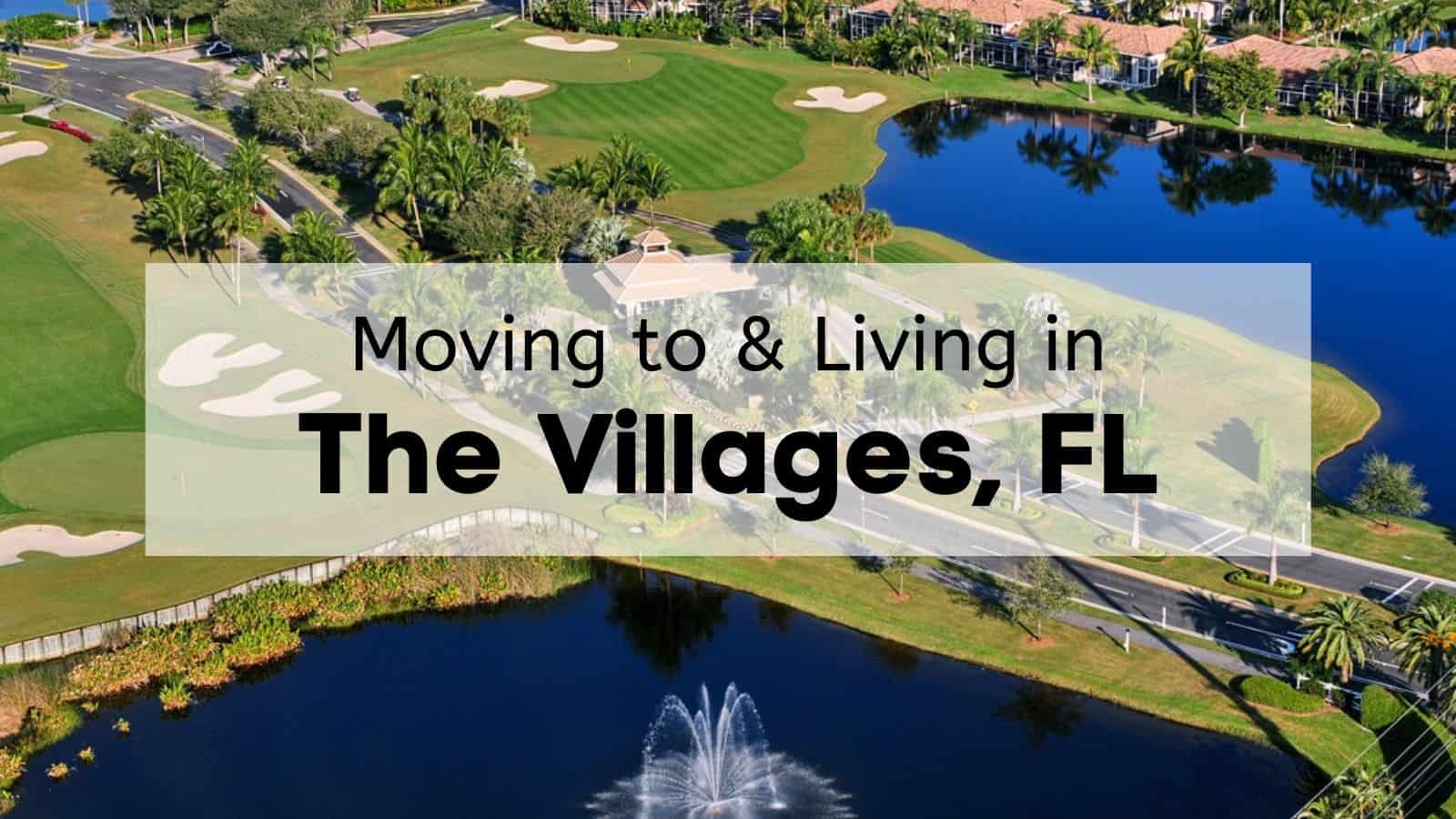
Inside the New Documentary That Uncovers Life in The Villages, Florida
When most people think of Florida, images of sun‑baked beaches and theme‑park thrills surface first. Yet a quieter, yet equally fascinating, scene unfolds in the heart of Central Florida: The Villages. This sprawling retirement community, home to more than 100,000 residents, has become the focus of a recent documentary that promises to peel back the layers of its unique social fabric. The film, released last month, invites viewers to see beyond the manicured greens and golf courses and into the everyday stories that shape this distinctive enclave.
What Makes The Villages a Story Worth Telling
Spanning 30,000 acres across Marion, Lake, and Sumter counties, The Villages was conceived in the 1980s as a self‑contained living environment for retirees. Its design prioritizes accessibility, community events, and a plethora of amenities—clubhouses, fitness centers, and even a “village” grocery store. These features create a micro‑society where residents can maintain an active lifestyle without leaving the property. That isolation, coupled with a sophisticated governance structure, gives the documentary a rich backdrop for exploring themes of autonomy, aging, and community resilience.
Director and Production Team
The film is helmed by Laura Mitchell, an award‑winning documentarian known for her work on rural American communities. Mitchell spent twelve months in The Villages, embedding herself in town halls, social clubs, and volunteer groups. She collaborated with local historians and the community’s resident council to ensure authenticity, while also working closely with a small crew that respected residents’ privacy and routines.
Key Themes Explored in the Film
- Community Governance: The Villages operates through a homeowners association that sets policies on everything from landscaping to security. The documentary showcases how residents participate in voting, policy debates, and even local elections.
- Economic Dynamics: With its own business district, the community generates a significant portion of its own revenue. Interviews with local shop owners and municipal employees highlight the economic ecosystem that supports a large, aging population.
- Social Connectivity: From the annual “Grand Parade” to weekly dance classes, the film captures the social rituals that keep residents engaged. It also looks at how newcomers adjust to the established culture.
- Challenges of Aging: Health care access, mobility concerns, and mental well‑being are candidly addressed. Residents share personal stories of navigating retirement while maintaining independence.
How the Film Was Filmed
Mitchell’s approach blends observational footage with structured interviews. The crew used lightweight, handheld cameras to move seamlessly through crowded clubhouses, quiet park benches, and bustling farmers markets. Archival footage—old promotional videos, council meeting recordings, and news clips—provides historical context, while contemporary shots illustrate current life. The editing process, conducted over six months, aimed to balance narrative flow with respect for the subjects’ dignity.
Reception and Impact
Critics have praised the documentary for its balanced portrayal. Reviewers note that the film neither romanticizes nor demonizes retirement living; instead, it presents a nuanced portrait that encourages viewers to reconsider common stereotypes. Residents themselves have expressed appreciation for the platform that highlights both the joys and challenges of community life. Social media buzz includes discussions around the film’s insights on aging, governance, and the value of intentional community design.
Where to Watch the Documentary
The feature is available on the public broadcasting network’s streaming service, as well as on the independent film platform FilmFreeway. For those who prefer a physical copy, a limited edition DVD set—featuring a behind‑the‑scenes interview and bonus footage—can be ordered through the film’s official website.
Frequently Asked Questions
- What prompted the creation of this documentary? The filmmakers were intrigued by The Villages’ unique blend of independence, governance, and community life, hoping to shed light on the broader conversation about aging in America.
- Is the film accessible to people who don't live in Florida? Yes. While it focuses on a specific locale, the themes of community, aging, and self‑governance are universal and resonate with audiences nationwide.
- Do the residents have control over what is shown? Residents were invited to review the final cut before release, ensuring accurate representation and consent for all interviewees.
- Will the film inspire new policies for other retirement communities? While it is too early to measure direct policy changes, the film has sparked conversations among community planners and retirees about best practices in self‑governance and social inclusion.