Insights Into Osmosis: A Simple Biology Definition
Imagine a tiny gate that lets water slip through while keeping larger molecules at bay. That gate is the essence of osmosis, a process that quietly powers everything from a single‑celled organism to the human kidney. Below is a down‑to‑earth look at what osmosis actually is, how it works, and why it matters in everyday biology.
What Is Osmosis?
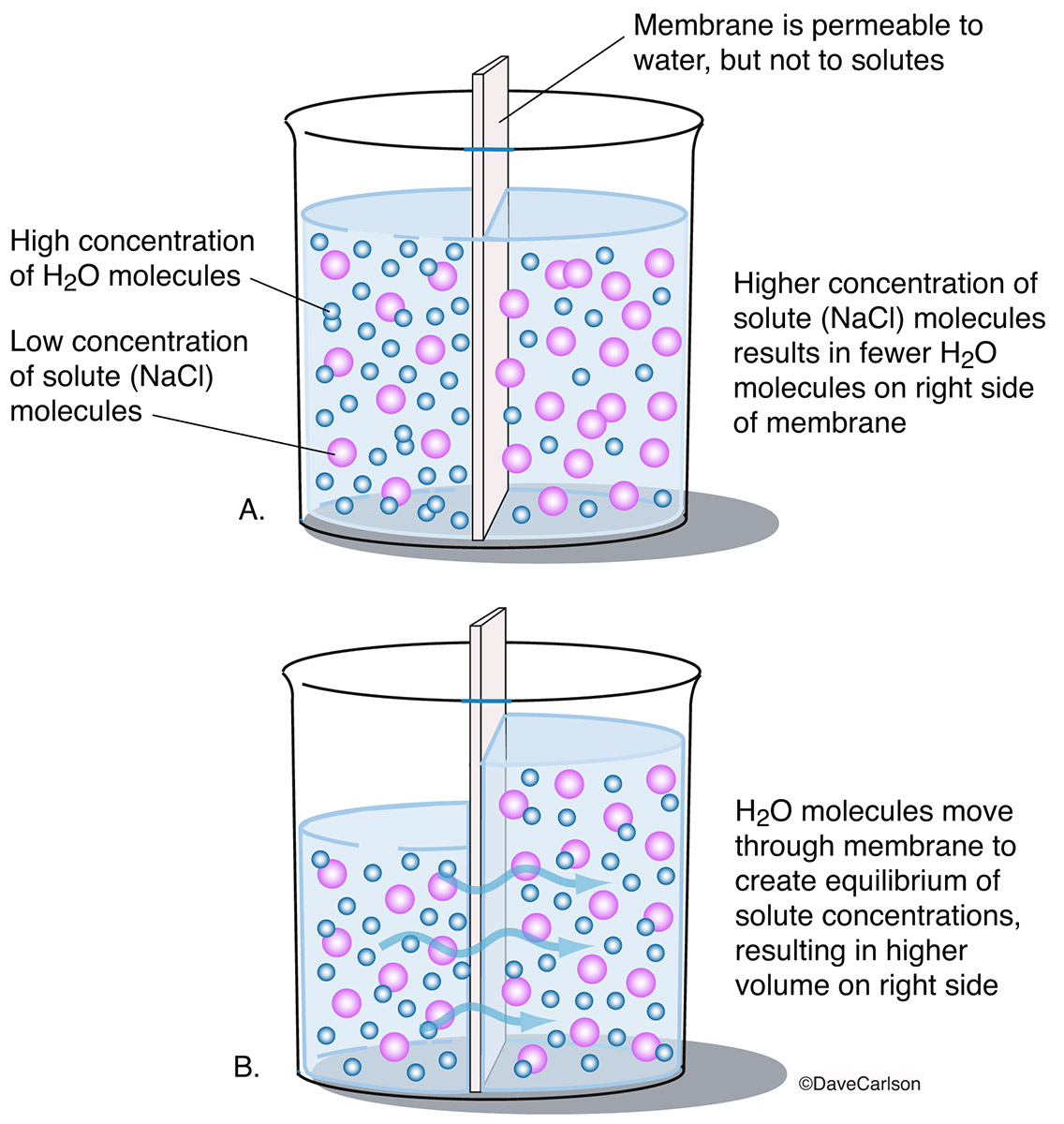
At its core, osmosis is the passive movement of water molecules across a semipermeable membrane from an area of lower solute concentration to one of higher solute concentration. No energy is spent; the water simply follows the concentration gradient, seeking balance.
That membrane acts like a selective door—small enough for water, too tight for salts, sugars, or proteins. When the two sides of the membrane differ in solute content, water drifts toward the side with more dissolved particles, aiming to dilute it.
How Osmosis Works
The driving force behind osmosis is the difference in solute concentrations, also called the concentration gradient. Water molecules jiggle randomly; when they encounter a membrane, the probability of crossing is higher on the side where there’s “room” for more water molecules.
Several nuances shape the process:
- Temperature: Warmer conditions boost molecular motion, speeding up water flow.
- Membrane permeability: Not all membranes are created equal; some allow water to pass almost freely, while others are more restrictive.
- Pressure: In many biological systems, a hydrostatic pressure builds up opposite the direction of water movement, eventually halting the flow when equilibrium is reached.
The Role of the Concentration Gradient
Think of the gradient as a slope on a hill. The steeper the slope, the faster a ball rolls down. In osmosis, a steep solute gradient means a rapid influx of water, while a shallow gradient yields a more leisurely trickle.
When the gradient disappears—meaning solute concentrations equalize—water movement ceases. This state is called osmotic equilibrium, although it’s rarely static in living organisms, where dynamic processes constantly shift concentrations.
Everyday Examples of Osmosis
Osmosis isn’t confined to the lab; it’s everywhere you look.
- Plant cells: Roots absorb water from soil through osmosis, swelling the vacuole and maintaining turgor pressure that keeps stems upright.
- Human kidneys: Nephrons use osmotic gradients to reabsorb water, concentrating urine and preserving the body’s fluid balance.
- Food preservation: Salting or sugaring draws water out of bacterial cells via osmosis, inhibiting their growth and extending shelf life.
- Medical IV therapy: Isotonic solutions match blood’s solute concentration, preventing cell shrinkage or swelling when administered.
Why Osmosis Matters in Biology
Beyond the obvious examples, osmosis underpins many physiological and ecological phenomena.
In cells, maintaining the right osmotic pressure is vital. Too much water influx can cause lysis—bursting of the cell membrane—while excessive loss leads to plasmolysis, where the cell collapses and ceases to function. Organisms have evolved mechanisms, such as ion pumps and aquaporins, to fine‑tune water flow and avoid these extremes.
On a larger scale, osmosis influences water distribution in soils, the salinity of oceans, and even the migration of freshwater fish. The subtle balancing act of water movement shapes ecosystems in ways that are often invisible but fundamentally important.
Common Misconceptions
Many people conflate osmosis with diffusion, yet the two are distinct. Diffusion involves the movement of any solute particles, while osmosis specifically concerns water crossing a semipermeable barrier. Another frequent mix‑up: osmosis does not require a net “force” applied from outside; it’s driven solely by the existing concentration disparity.
Key Takeaways
- Osmosis is passive water movement across a semipermeable membrane.
- It’s governed by concentration gradients, temperature, membrane permeability, and pressure.
- Plants, kidneys, and even food preservation exploit osmosis daily.
- Proper osmotic regulation is essential for cell integrity and organism health.
Next time you sip a glass of water, remember: that simple act is a reminder of the invisible, yet relentless, flow of water that keeps life ticking.