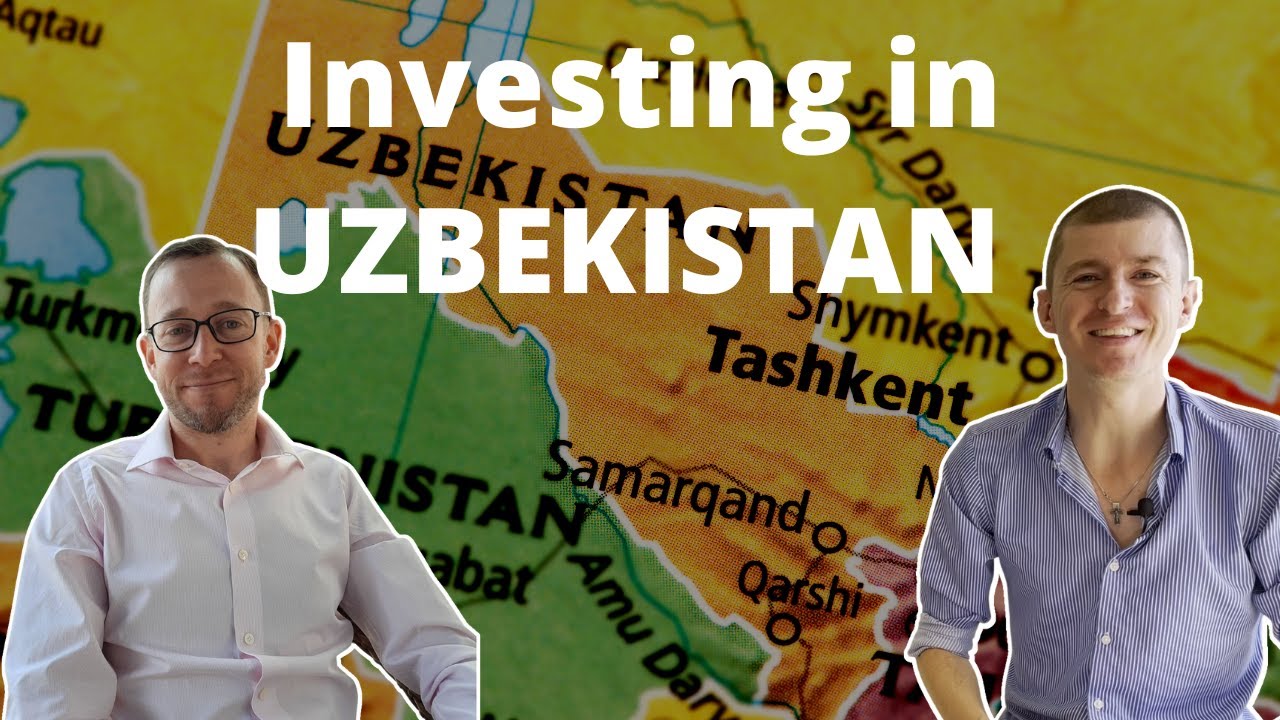
Investing in Uzbekistan: A Practical Guide to Buying Stocks
Thinking about adding an emerging market to your portfolio? Uzbekistan’s stock scene may not be front‑page news, but it’s quietly gathering momentum. From a youthful population to reforms that are reshaping the economy, there are several reasons why investors are starting to look east of the Caspian Sea.
Why Uzbekistan Deserves a Second Look
For years the country was known more for cotton than capital markets. Recent liberalization—tax incentives, a modernized legal framework, and a push to attract foreign capital—has changed the narrative. The Tashkent Stock Exchange (TSE) now hosts over 150 listed firms, ranging from telecoms to mining.
- Demographic edge: Over 70% of the population is under 30, promising a long‑term consumer base.
- Strategic location: Borders with Kazakhstan, Kyrgyzstan, Turkmenistan, and Afghanistan open trade corridors.
- Government drive: Initiatives to diversify away from agriculture toward manufacturing and services.
That said, volatility is still part of the picture. Prices can swing on political news or currency fluctuations, so a measured approach is essential.
Understanding the Market Structure
The TSE operates on a relatively simple model compared with the likes of NYSE or LSE. There are two main segments: the Prime Market for larger, more liquid companies, and the Growth Market for smaller, high‑potential firms. Trading hours run from 10:00 am to 2:00 pm local time, Monday through Friday.
Key Indices to Watch
- UzSE Index: Represents the performance of the top 20 stocks on the Prime Market.
- Growth Index: Tracks the more speculative segment, often where tech‑focused startups appear.
Keeping an eye on these benchmarks gives you a quick sense of market mood without diving into individual price charts.
How to Set Up a Brokerage Account
Foreign investors can access Uzbek equities through a few channels. The easiest route is partnering with an international brokerage that has a memorandum of understanding with a local custodian. Alternatively, you can open an account directly with a licensed Uzbek broker, provided you meet residency or documentation requirements.
Typical steps include:
- Gather identification documents (passport, proof of address).
- Complete a Know‑Your‑Customer (KYC) form—standard across most jurisdictions.
- Deposit funds in either USD, EUR, or the Uzbek som (UZS) depending on the broker’s policy.
- Sign a trading agreement that outlines fees, settlement cycles, and reporting obligations.
Once approved, you’ll receive a trading platform login. Most brokers now offer web‑based interfaces, making order entry as straightforward as clicking a button.
Selecting Stocks: Where to Start
There’s no one‑size‑fits‑all formula, but a handful of criteria can help narrow the field.
- Sector relevance: Look for industries aligned with government priorities—energy, transport, and digital services.
- Financial health: Check balance sheets for manageable debt levels and consistent cash flow.
- Corporate governance: Companies that publish audited reports in English are typically more transparent.
For a first‑time foray, consider a blend of a blue‑chip telecom (e.g., Uzdunavtosanoat) and a growth‑stage mining firm. This mix offers stability while still capturing upside potential.
Regulatory Landscape and Investor Protections
Uzbekistan’s securities regulator, the Agency for the Development of the Financial Market, has introduced several measures to align with international standards. Notably, the country has adopted the International Financial Reporting Standards (IFRS) for listed companies.
Nevertheless, enforcement can be uneven. It’s wise to work with a broker who has a track record of navigating local compliance issues and can provide updates on any changes to capital‑market laws.
Practical Tips for Managing Risk
Even with thorough research, markets can surprise you. Here are a few habits that keep the anxiety at bay:
- Set stop‑loss orders: Protect against sudden drops, especially in the more volatile Growth Market.
- Diversify regionally: Pair Uzbek holdings with assets from other emerging markets to spread exposure.
- Stay informed: Follow local news outlets and the regulator’s releases for policy shifts that could affect stock prices.
And remember: currency risk is real. The UZS can fluctuate considerably against major currencies, so consider hedging or holding a portion of your portfolio in a stable currency.
Step‑by‑Step Blueprint for Your First Trade
- Define your objective: Are you looking for long‑term growth or short‑term speculation?
- Choose a broker: Compare fees, platform usability, and local market access.
- Fund the account: Transfer the amount you’re comfortable risking.
- Run a quick screen: Use the broker’s filter tools to isolate stocks that meet your criteria.
- Place a trial order: Start with a modest size—perhaps 5% of your allocated capital.
- Monitor performance: Review price movements and news daily for the first two weeks.
- Adjust as needed: Add to positions that are performing well, trim those that miss expectations.
This roadmap isn’t a guarantee of success, but it provides a structured way to move from curiosity to actual ownership.
Final Thoughts
Investing in Uzbekistan is still a frontier adventure, but one that is increasingly supported by reforms and growing market depth. By doing the homework—understanding the market, choosing reliable partners, and managing risk—you can tap into a region that many global investors have yet to fully explore. The next chapter of your portfolio might just start on the Tashkent exchange.