IOS Tech Transfer: Process & Best Practices
The phrase "IOS tech transfer" often sparks confusion. If you’re looking for Apple’s iPhone OS, you’ve landed in the wrong place. However, if you’re navigating the complex world of research commercialization, IOS usually refers to Innovation, Technology, and Transfer Offices within academic institutions or specific entities like the Indian Institute of Science. Translating a lab bench discovery into a market-ready product is rarely a straight line. It is a journey filled with legal hurdles, financial complexities, and strategic pivots. Understanding this process is crucial for anyone looking to bridge the gap between academia and industry.
What Exactly Is Technology Transfer?
At its core, technology transfer is the movement of technology, processes, and capabilities from one organization to another. In the context of universities and research institutes, this typically means moving discoveries from public sector research to private sector development. The goal is simple: take a novel invention and make it useful for society or profitable for the market. This can happen through licensing, spin-off companies, or direct collaboration.
It is not just about patents. While intellectual property is the currency of this exchange, the real value lies in the know-how. The tacit knowledge held by researchers, the specific methodologies, and the experimental data form the backbone of successful transfer. Without this context, a patent is just a piece of paper. The office managing this process—often called the TTO (Technology Transfer Office) or IOS equivalent—acts as the translator between the researcher’s jargon and the entrepreneur's pitch.
The Step-by-Step Transfer Process
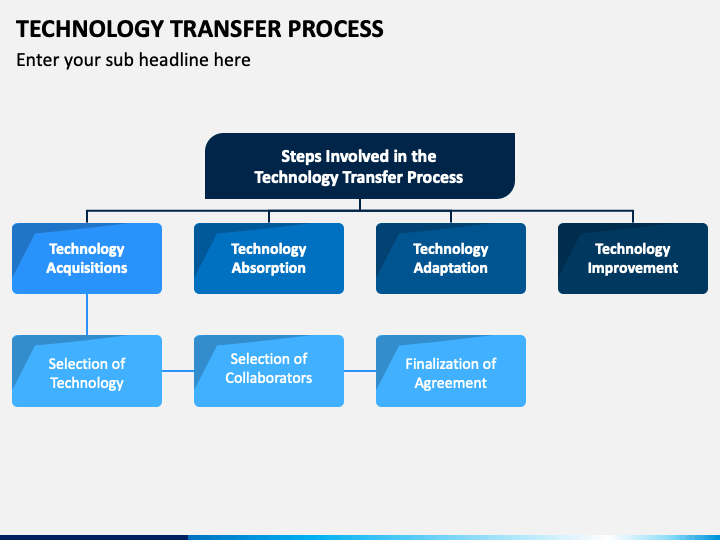
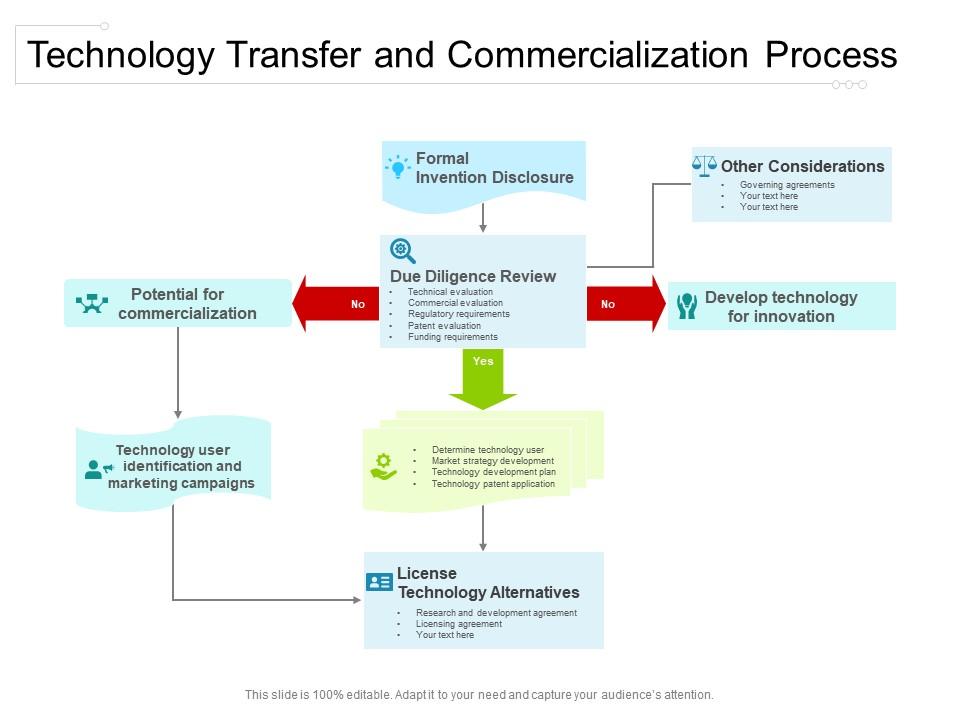
While every institution has its own protocols, the lifecycle of a technology transfer generally follows a predictable arc. Knowing where you stand in this process helps manage expectations for both academics and entrepreneurs.
1. Identification and Disclosure
It starts with the invention. A researcher realizes their work has commercial potential and files an invention disclosure form. This document is critical. It details what is new, how it works, and why it matters. The TTO reviews this to assess novelty and patentability. Not every idea gets the green light. Many are shelved due to prior art or lack of market viability.
2. Protection and IP Strategy
If the idea passes the initial hurdle, the next step is securing intellectual property. This usually involves filing for a provisional patent. Timing is everything here. Public disclosure before patent filing can ruin your rights in many countries. The TTO will guide the team on whether to patent, keep it as a trade secret, or publish immediately.
3. Marketing and Partner Search
This is where many projects stall. You have protected IP, but who wants it? The TTO creates a marketing package, often called a Confidential Disclosure Agreement (CDA) enabled prospectus. They reach out to potential licensees, startups, or venture capitalists. This phase requires identifying the right industry partner. A pharmaceutical giant might want a drug compound, but a small biotech might be more agile in developing it.
4. Negotiation and Licensing
Once a partner is interested, the legal heavy lifting begins. Negotiations cover terms like exclusivity, field of use, royalties, and milestone payments. This can take months. Both sides want leverage. The university wants fair compensation and reputational benefit; the company wants affordable access and clear rights. A good TTO balances these interests to ensure a deal actually closes.
5. Commercialization
The final stage is execution. The licensee takes the technology and builds the product. The TTO’s role shifts to monitoring compliance, collecting royalties, and ensuring the technology is being developed as agreed. If it’s a spin-off company, the TTO might provide mentorship or facilitate follow-on funding.
Best Practices for Successful Outcomes
The difference between a dusty patent and a successful product often comes down to execution details. Here are some widely accepted best practices for smoother transfers.
- Engage Early:** Do not wait until the project is done to contact the TTO. Early engagement helps shape research with commercialization in mind, avoiding dead ends later.
- Focus on the Problem:** Investors and licensees care about problems, not just solutions. Frame the technology around the pain point it solves. Why does the market need this now?
- Be Realistic About Costs:** Legal fees, patent filings, and market analysis add up. Understand the financial burden early. Some institutions cover these costs; others pass them to the inventor or require a license to proceed.
- Cultivate Relationships:** The best transfers happen through trust. Build strong relationships with your TTO. They are your advocates, not just bureaucrats.
- Plan for Failure:** Not every technology will succeed. Have an exit strategy. Can the tech be pivoted? Is the IP still valuable if the primary application fails?
Transparency is key. Hidden agendas or delayed disclosures can kill a deal. If there are conflicts of interest, declare them. The cleaner the process, the faster the transfer.
Why This Matters
Technology transfer is the engine of innovation. It ensures that billions spent on public research do not sit unused. It accelerates the delivery of new medicines, greener technologies, and more efficient tools. For researchers, it provides validation and resources. For society, it means tangible benefits from abstract science.
Navigating this landscape requires patience and professionalism. It is not a get-rich-quick scheme. It is a meticulous process of de-risking innovation for the market. By understanding the steps and adhering to best practices, stakeholders can increase their chances of turning a brilliant idea into a real-world impact.
Frequently Asked Questions
How long does the tech transfer process typically take?
There is no fixed timeline. From disclosure to a signed license, it can take one to three years. If a spin-off company is created, it may take significantly longer to reach a market-ready product. Patent prosecution alone can take several years depending on the jurisdiction.
Who owns the intellectual property?
Ownership depends on the funding source and institutional policy. In many countries, if the research was federally funded, the government retains rights, but the institution can elect to take title. The institution usually owns the IP, granting exclusive rights to the inventors for a share of the royalties.
Can I start a company based on university research without the TTO?
Generally, no. Most academic institutions have clauses in employment contracts stating that IP developed using university resources belongs to the university. Bypassing the TTO can lead to legal disputes, injunctions, and loss of rights. Always check your employment agreement first.
What if I don’t want to commercialize my patent?
You can often opt out of commercialization. In this case, the university may disclose the information to the public domain, or you may be allowed to publish freely without patent protection. This decision should be made with the TTO to ensure it doesn’t violate grant agreements.