Is Alan Wake the Thriller Experience You’ve Been Waiting For?
When you hear the name Alan Wake, the first thing that often comes to mind is a brooding writer trapped in a town that seems to have leapt straight out of a Stephen King novel. But does the game live up to the hype, especially for anyone craving a genuine psychological thriller? Below we’ll unpack the storytelling, gameplay mechanics, and overall atmosphere to help you decide whether it deserves a spot on your gaming roster.
What Sets Alan Wake Apart?
At its core, Alan Wake is a blend of narrative‑driven action and atmospheric horror. Unlike many shooters that rely heavily on fire‑power, this title leans on light as both a weapon and a storytelling device.
- Storytelling through episodes: The game mimics a TV series, delivering its plot in six hour‑long chapters. This structure makes each segment feel like a mini‑movie, complete with cliffhangers that keep you reaching for the controller.
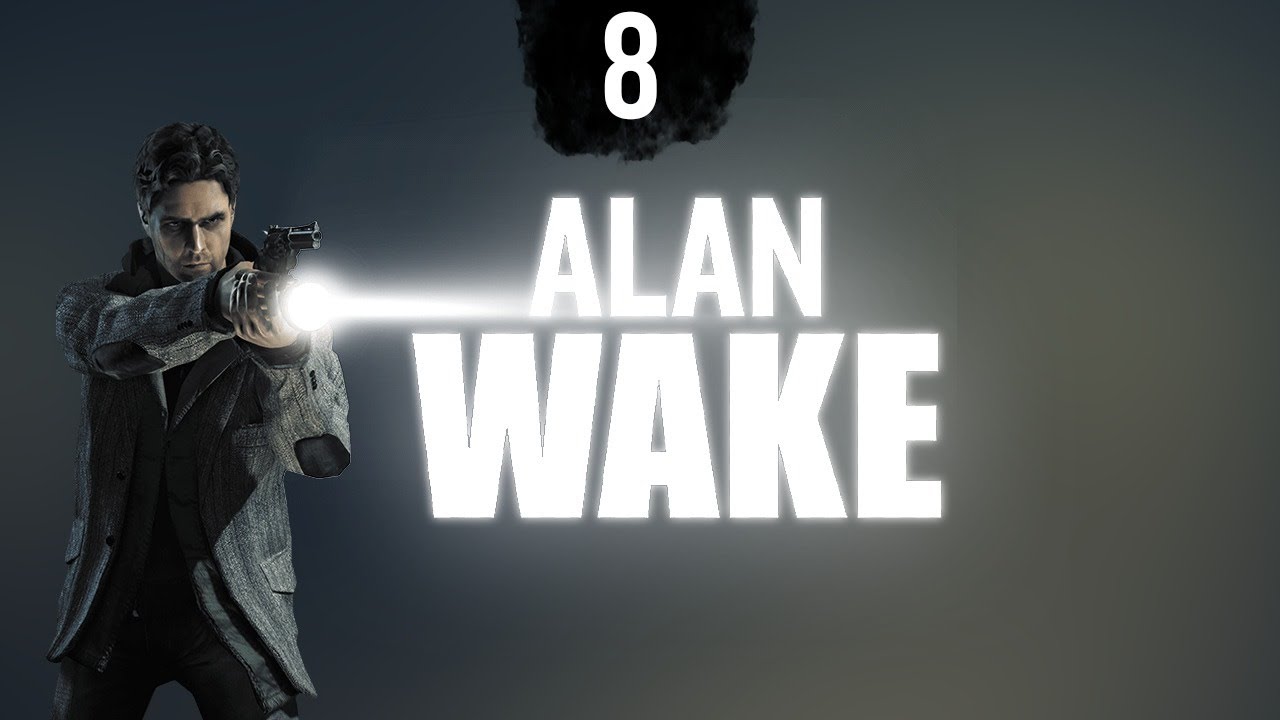
- Light‑versus‑dark combat: Enemies are literally shadows, and your flashlight becomes a critical tool. Managing battery life while aiming at foes forces you to think rather than just spray.
- Environmental storytelling: Scattered manuscripts, newspaper clippings, and hidden notes fill the world with subtext, rewarding players who like to read between the lines.
The Narrative: A Writer’s Nightmare
Alan Wake follows the eponymous author as he vacations in the sleepy town of Bright Falls, only to discover that his own manuscript—supposedly unfinished—has begun to manifest in reality. As the line between fiction and fact blurs, Wake must confront both supernatural forces and his own insecurities.
The script is littered with nods to classic thriller tropes: the abandoned cabin, the ominous lake, the relentless pursuer who never quite catches you. Yet, it also subverts expectations. For instance, the “enemy” isn’t always a monster; sometimes it’s a manifestation of Alan’s writer’s block, making the conflict feel psychological rather than purely physical.
Why the story resonates
- It taps into the fear of losing control over your own creations.
- The dialogue feels deliberately cinematic, enhancing immersion.
- Twists arrive at a pace that feels natural, avoiding cheap shock value.
Gameplay Mechanics: Light, Darkness, and Tension
Combat in Alan Wake isn’t about reflexes alone. You’ll spend a good portion of each encounter juggling a flashlight, a limited ammo supply, and the ever‑present threat of darkness swallowing you whole. The result is a tension that rises and falls like a well‑crafted thriller soundtrack.
- Flashlight management: You can upgrade the beam to stun enemies longer, but doing so drains battery faster. That trade‑off forces constant decision‑making.
- Weapon variety: From classic pistols to a trusty shotgun, each firearm feels distinct, yet none can entirely replace the light mechanic.
- Exploration rewards: Hidden collectibles—like “Manuscript Pages” and “Lost Documents”—unlock extra lore, encouraging thoroughness without feeling like a grind.
Atmosphere and Audio Design
From the mist‑shrouded forests to the flickering neon of the town’s sole diner, the environment is meticulously crafted. Sound design deserves a special mention: distant howls, the soft rustle of pages turning, and an ever‑present, low‑frequency hum that ramps up whenever you approach danger. It’s subtle, but it makes every hallway feel like a potential showdown.
Who Will Enjoy Alan Wake?
If you’re the type who savors a good story and appreciates a game that rewards patience and curiosity, Alan Wake is likely to strike a chord. Here’s a quick rundown of ideal players:
- Story‑first gamers who love narrative twists.
- Fans of atmospheric horror who don’t mind a slower pace.
- Players who enjoy puzzles hidden in environmental clues.
Conversely, if you prefer fast‑paced shooters with endless ammo and minimal storytelling, you might find the game’s deliberate pacing a bit frustrating.
Potential Drawbacks
Nothing is perfect, and Alan Wake is no exception. Some aspects that have divided opinion include:
- Repetitive combat loops: After a while, the flashlight‑and‑shoot formula can feel a touch monotonous.
- Technical hiccups: Older console versions occasionally suffer from frame drops during intense scenes.
- Limited multiplayer: The experience is strictly single‑player, which might disappoint those seeking co‑op thrills.
Final Thoughts: A Thriller Worth Your Time?
Ultimately, Alan Wake succeeds because it treats its players like an audience to a suspense film rather than just another set of enemies to destroy. The blend of storytelling, light‑based combat, and a hauntingly beautiful world creates an experience that feels fresh even years after its initial release.
If you value narrative depth and atmospheric tension over relentless action, give Alan Wake a try. It may just become the psychological thriller you’ve been waiting for.