Is Mouth Taping While You Sleep Really Safe and Why Some Do It?
Ever woken up with a dry throat and wondered if a simple strip of tape could have prevented it? Mouth taping—a practice that involves sealing the lips shut for the night—has popped up on forums, TikTok, and even wellness podcasts. The idea sounds almost too easy to be true, but before you reach for the roll, it helps to understand what the technique does, who might benefit, and where the safety line is drawn.
What Exactly Is Mouth Taping?
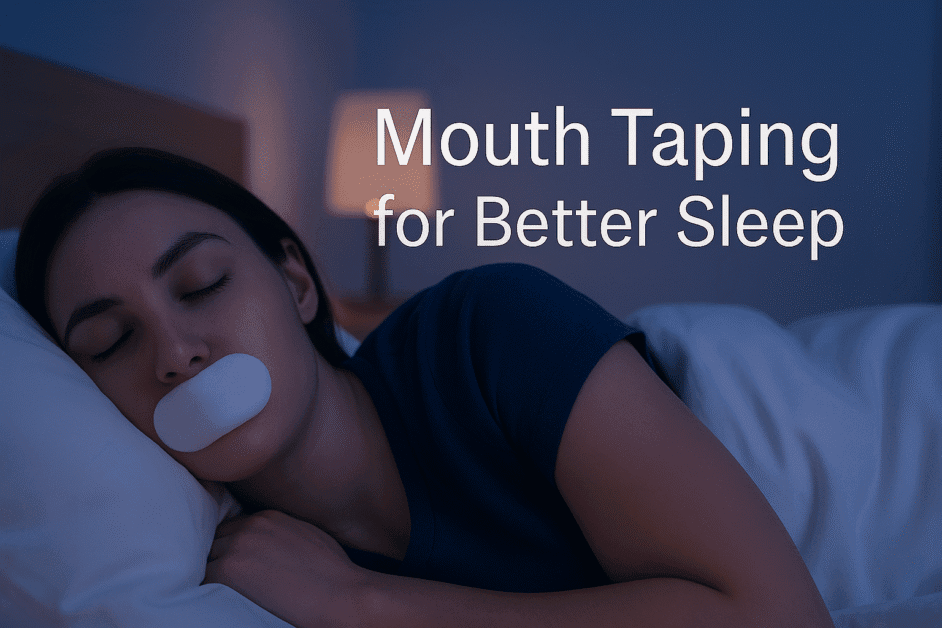
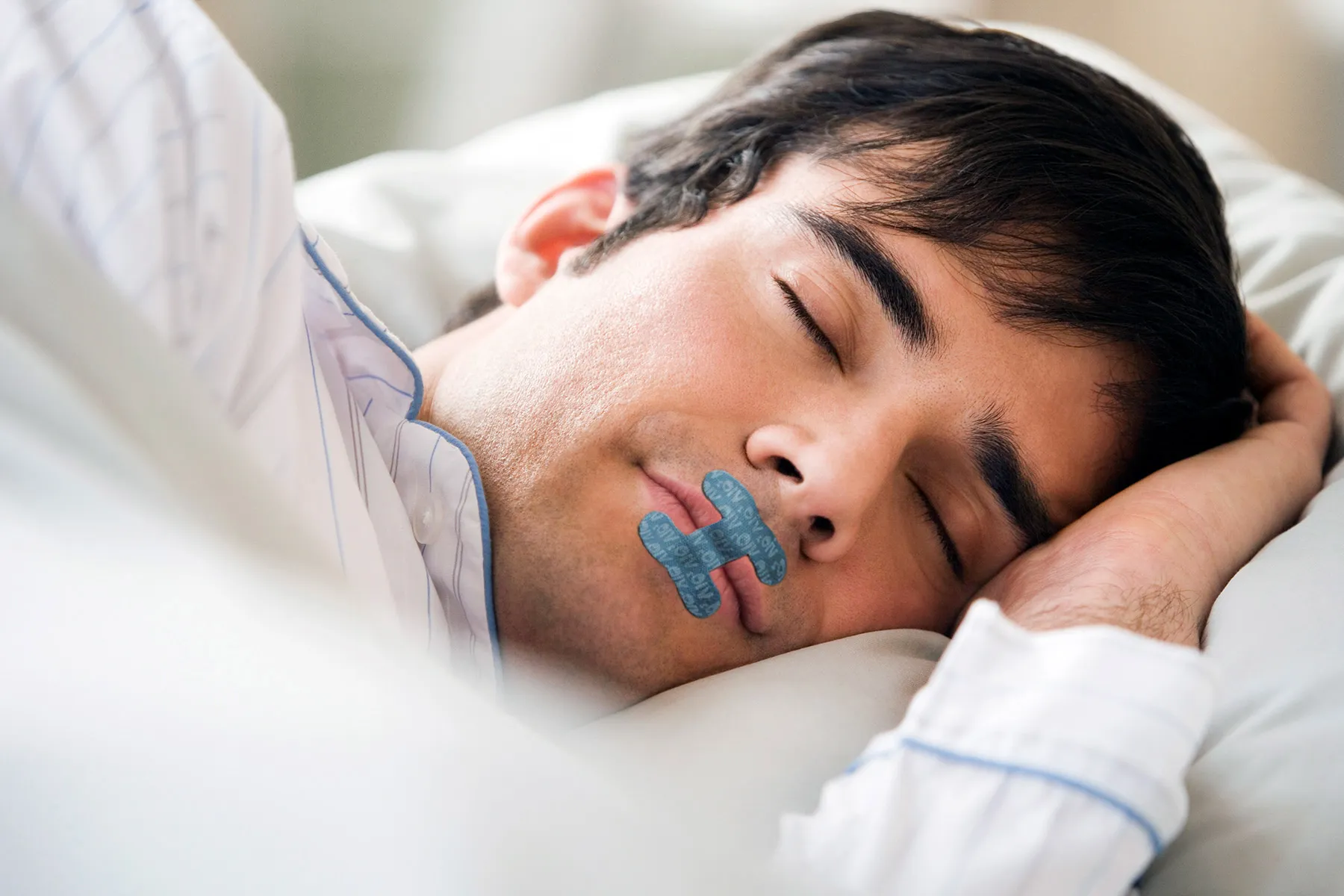
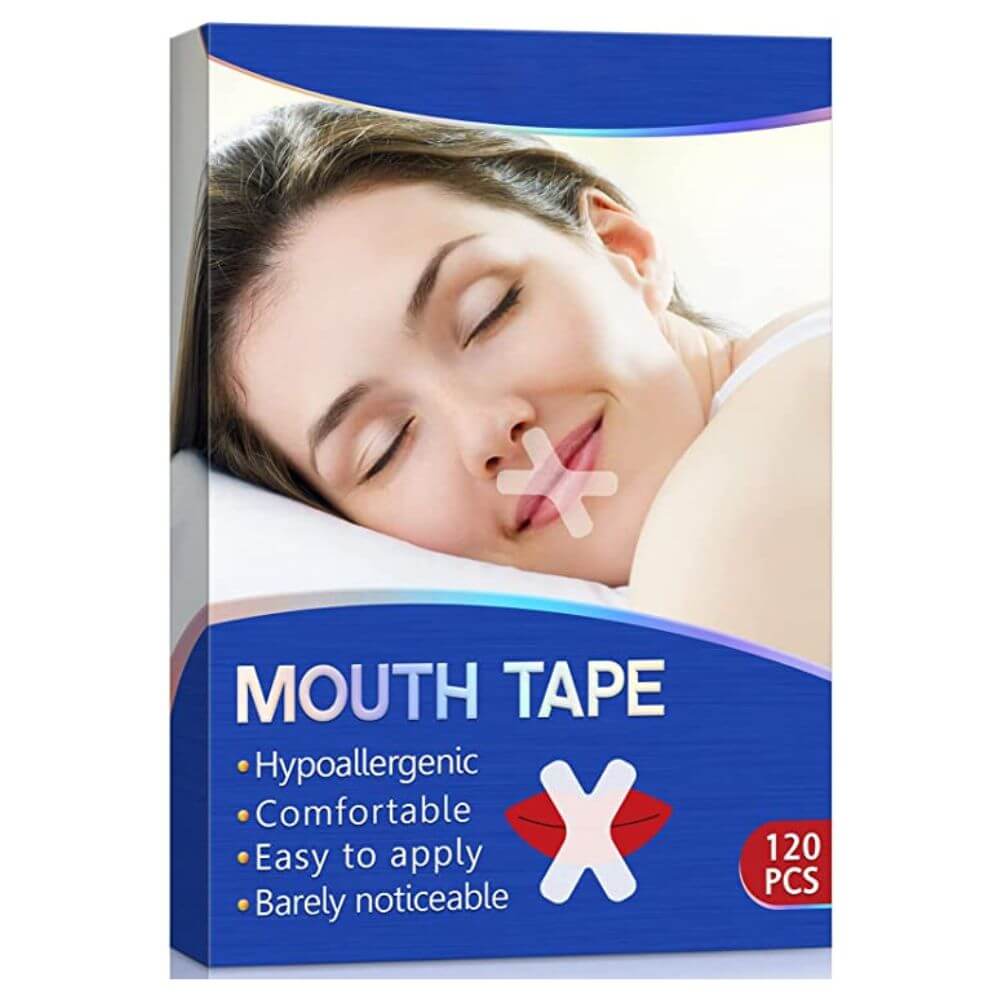
In its purest form, mouth taping means applying a hypo‑allergenic, breathable adhesive strip across the lips before bedtime. The tape’s job is to keep the mouth closed long enough for you to breathe through the nose. Most users opt for medical‑grade tape—like kinesiology or surgical tape—because it sticks gently yet firmly and peels off without pulling skin.
The practice grew out of a broader push to correct mouth breathing, a habit linked to snoring, daytime fatigue, and even dental issues. By forcing nasal airflow, proponents say you can restore the natural filtration, humidification, and nitric‑oxide production that the nose provides.
Why People Try It: The Promised Perks
- Reduced snoring. Nasal breathing creates a steadier airflow, which can calm the vibrations that cause snoring.
- Less morning dry mouth. When the mouth stays shut, saliva isn’t evaporated by the rush of air.
- Improved sleep quality. Some anecdotal reports mention deeper, more restful sleep after a few nights of taping.
- Potential oral‑health boost. Mouth breathing can dry out the gums and promote bacterial growth; keeping the lips sealed may curb that.
These benefits are mostly reported anecdotally. Small studies have shown modest improvements in snoring intensity, but the evidence isn’t robust enough to call mouth taping a medical cure.
When the Tape Could Turn Risky
The biggest red flag appears if you have any condition that impairs nasal breathing. Chronic sinus congestion, a deviated septum, or severe allergies can make nasal airflow insufficient, meaning the tape might actually starve you of oxygen.
Skin irritation is another practical concern. Even the gentlest medical tape can cause redness or a rash, especially if you have sensitive skin or use the same strip for multiple nights.
Infants, young children, and people with certain neurological disorders should never be taped. Their ability to sense airway blockage is still developing, and a sudden obstruction could trigger panic or choking.
Pregnant women often experience nasal swelling due to hormonal changes. In those cases, forcing the mouth closed could feel uncomfortable and might even worsen breathing.
How to Do It Safely—If You Decide to Try
First, get clearance from a healthcare professional, particularly if you’ve never been evaluated for sleep‑related breathing problems. A simple ENT exam can spot a deviated septum or chronic congestion that would make taping unsafe.
Choose a tape that is:
- Hypo‑allergenic and designed for skin contact.
- Breathable—look for “porous” or “medical‑grade” descriptions.
- Easy to remove without tearing the skin.
Apply a short strip horizontally across the center of the lips. You don’t need to cover the entire mouth; the goal is just to remind yourself to keep the lips together. If you wake up feeling anxious or notice a drop in oxygen saturation (some people use a fingertip pulse oximeter), remove the tape immediately.
Start with a single night and pay attention to how you feel in the morning. Any persistent headache, dizziness, or worsening dry mouth signals that the approach isn’t right for you.
Alternatives Worth Considering
If the idea of taping makes you uneasy, there are gentler ways to encourage nasal breathing:
- Nasal strips. Adhesive bands that gently pull the nostrils open, improving airflow without restricting the mouth.
- Saline rinses. A daily rinse can clear mucus and reduce congestion.
- Positional therapy. Sleeping on your side rather than your back often lessens mouth breathing.
- Breathing exercises. Techniques like the Buteyko method train you to keep the mouth closed during the day, which often carries over to night‑time.
Bottom Line: A Cautious “Maybe”
Mouth taping isn’t a universal remedy, and it isn’t without risks. For healthy adults who can breathe comfortably through their nose, a short trial with the right tape may offer a modest boost in comfort and sleep quality. However, anyone with nasal obstruction, skin sensitivities, or underlying health concerns should treat the practice as experimental at best—and always under professional guidance.
In short, the technique can be safe when you take the proper precautions, but it’s not a one‑size‑fits‑all solution. Weigh the potential benefits against the possible downsides, listen to your body, and don’t hesitate to explore safer alternatives if the tape feels like a gamble.