Is PediaSure the Right Choice for Your One‑Year‑Old?
Seeing a tiny spoonful of nutritional shake on the kitchen counter can feel both reassuring and a little unsettling. Parents of one‑year‑olds often wonder if a supplement like PediaSure can fill the gaps left by picky eating, but the answer isn’t as clear‑cut as a simple yes or no.
Understanding What PediaSure Is
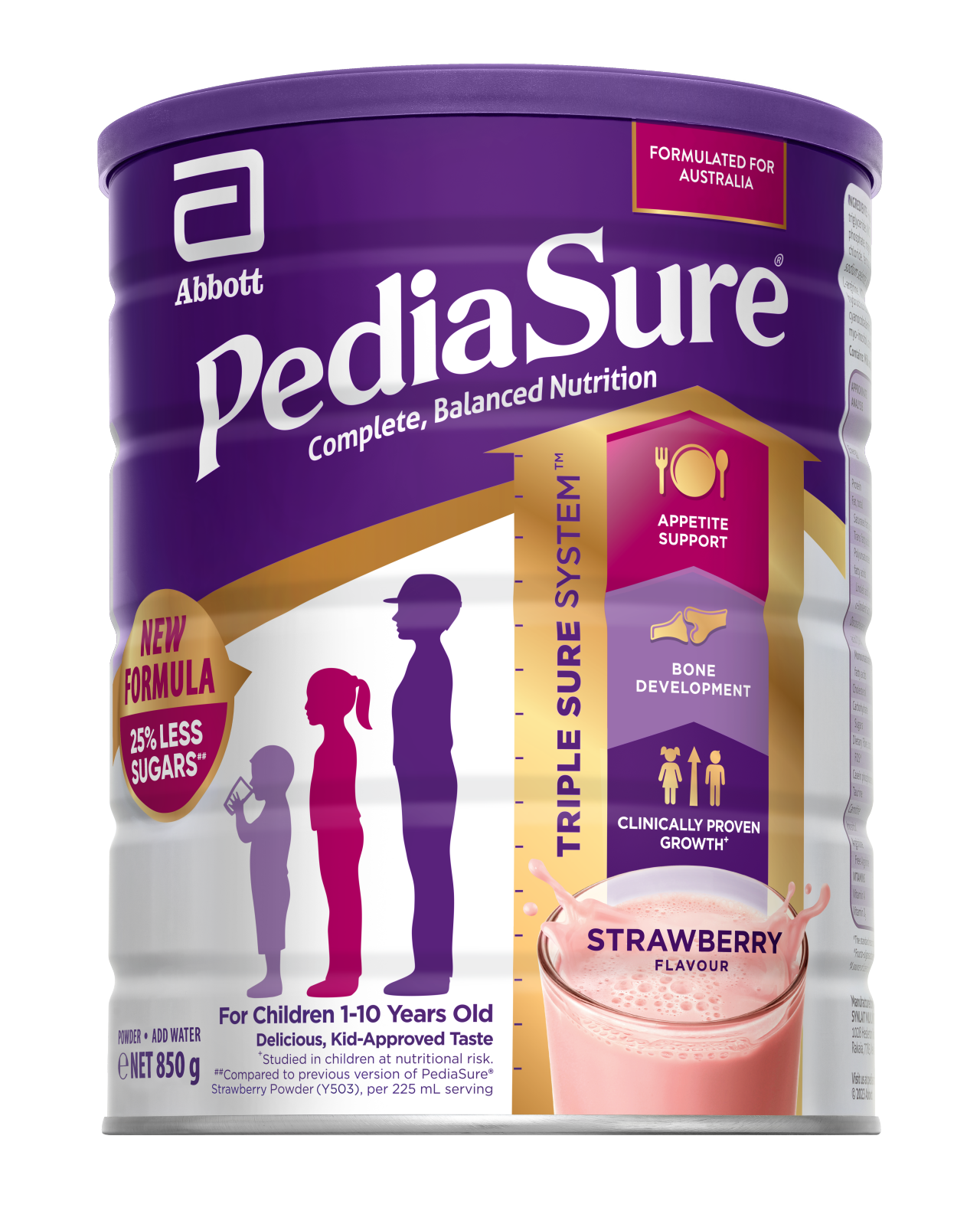
PediaSure is a ready‑to‑drink formula marketed as a “complete nutrition” solution for children who need extra calories, protein, or vitamins. It comes in several flavors—strawberry, chocolate, vanilla—and each bottle packs a blend of macronutrients along with micronutrients such as iron, calcium, and vitamin D.
The Nutritional Landscape for a One‑Year‑Old
At twelve months, a child’s diet starts transitioning from pureed foods to more solid bites. The USDA recommends roughly 900‑1000 calories per day, split among:
- Breast‑milk or formula (still a major source of nutrition)
- Whole grains, fruits, vegetables, and proteins
- Healthy fats from dairy or plant oils
While many toddlers meet these targets, a handful struggle with appetite, allergies, or developmental conditions that limit intake.
Where PediaSure Might Fit In
For families facing those challenges, PediaSure can act as a fortifying supplement. Its strengths include:
- Calorie dense—each 8‑oz bottle delivers around 250 kcal, useful for children who need extra energy.
- Balanced protein (about 7 g) that supports growth without overwhelming a small stomach.
- Added vitamins and minerals that mirror the daily recommended values for toddlers.
- Convenient packaging: a single bottle can double as a snack on the go.
Because it’s already formulated for kids, parents don’t need to measure powders or worry about mixing errors.
Potential Drawbacks to Keep in Mind
However, the product isn’t a magic bullet. Some concerns arise:
- It contains added sugars to improve taste—often around 5–7 g per serving.
- The flavor profiles can be overly sweet, potentially shaping a child’s future palate toward sugary foods.
- Relying too heavily on a shake might reduce the incentive to explore solid foods, which are crucial for developing chewing and oral motor skills.
- Allergies: certain formulations include dairy or soy, so check the label if your child has sensitivities.
When Might You Actually Reach for PediaSure?
Consider a supplement only after a pediatrician’s assessment. Typical scenarios include:
- Premature infants who missed out on the full gestational nutrient store.
- Children with chronic illnesses (e.g., cystic fibrosis, congenital heart disease) that increase metabolic demands.
- Kids who consistently fall short of the recommended daily intake despite varied meals.
If none of these apply, whole foods remain the gold standard.
Selecting the Right Variant
PediaSure offers several lines: classic, “Meal‑Replacement,” and “Toddler + .” The “Toddler + ” version is tailored for the 12‑36‑month age bracket, with slightly lower iron content to match toddlers’ needs. Flavors can be a personal choice, but remember that the sweeter the flavor, the higher the sugar load.
Quick Checklist Before Buying
- Confirm age‑appropriate label (“Toddler + ” or similar).
- Review the ingredient list for allergens.
- Check the nutrition facts panel for added sugars.
- Ask your pediatrician whether a supplement aligns with your child’s growth chart.
Practical Tips for Introducing the Shake
When you decide to try PediaSure, think of it as a supplemental snack rather than a meal replacement:
- Offer a half‑bottle after a balanced lunch; this prevents over‑filling.
- Mix the shake into a small portion of oatmeal or fruit puree to make the texture familiar.
- Use a fun straw or a child‑friendly cup to turn the experience into a positive ritual.
- Monitor your child’s reaction for any digestive discomfort—some toddlers experience mild gas with dairy‑based formulas.
A Balanced Perspective
In the end, PediaSure can be a helpful tool, but it’s not a substitute for a varied diet. The best approach blends nutrient‑rich whole foods with occasional, carefully chosen supplements when a child truly needs them. Trust your pediatrician’s guidance, keep an eye on sugar content, and remember that every child’s nutritional journey is uniquely theirs.