Is Point Nemo, The Oceanic Pole Of Inaccessibility, Actually Dangerous?
The Loneliest Place on Earth
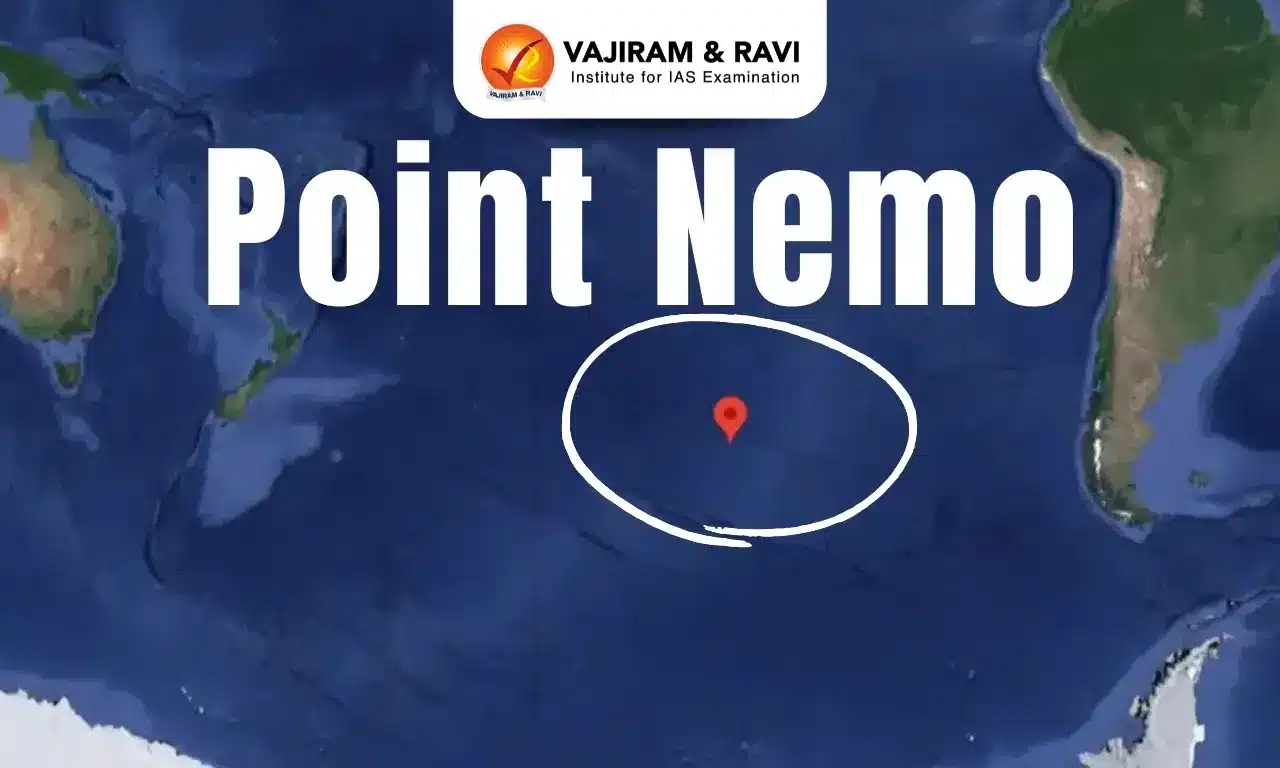
Imagine standing in the middle of nowhere. Except on land, "nowhere" usually still has a city, a gas station, or at least a cell tower within a few hundred miles. Now imagine that there is no land within 1,000 nautical miles in any direction. You are surrounded by an endless, shifting expanse of water, isolated from the nearest human inhabitants—including those on Antarctic research stations—by over 1,600 miles.
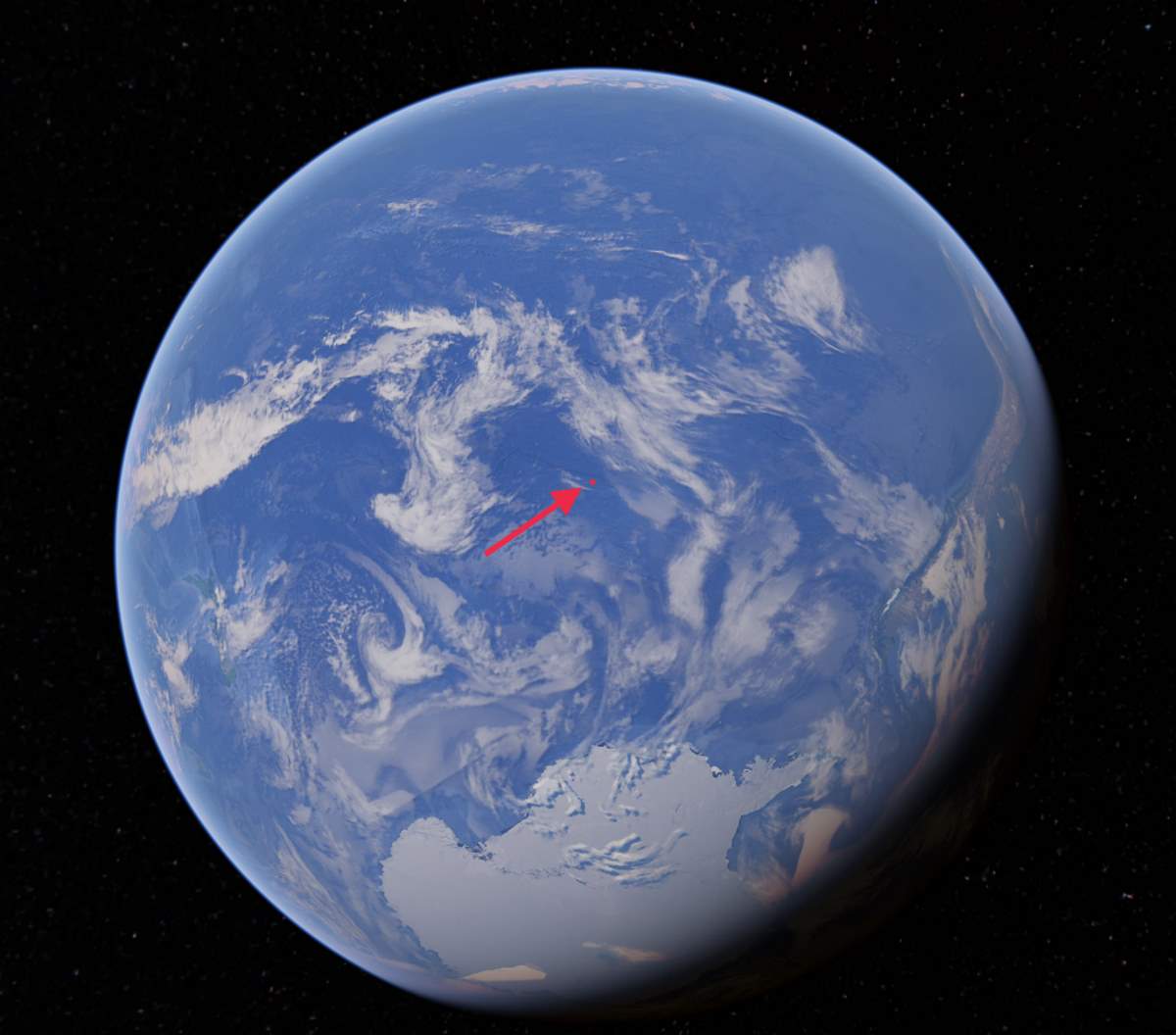
This is Point Nemo. Officially known as the Oceanic Pole of Inaccessibility. It sits in the South Pacific Ocean, roughly equidistant from Dickson City in Pitcairn Islands, Rafoi Bay in Antarctica, and Maher Island. It is the spot on Earth’s surface that is farthest from any landmass. If you were stranded here, you would be the most alone any human has ever been.
But is it dangerous? Does the silence scream? Is there a monster lurking in the deep? The answer is more nuanced—and perhaps more grounded in reality—than you might expect.
The “Graveyard” Misconception
The most common association with Point Nemo is its reputation as a graveyard for dead spacecraft. When satellites, space stations, or decommissioned rockets reach the end of their useful lives, space agencies like NASA, ESA, and Roscosmos steer them into a specific re-entry corridor directly above Point Nemo.
Why Point Nemo?
- Maximum Safety: The sheer distance from land ensures that debris falls into water, not on houses, cars, or people.
- Deep Water: The ocean floor beneath Nemo is one of the deepest on the planet, reaching down to approximately 7.8 kilometers (almost 5 miles). This isolates impact debris further.
This practice, started in 1971, has turned Point Nemo into a dumping ground for space junk. The decommissioned Mir space station, the Skylab, and pieces of the International Space Station all ended their journeys here. Because of this, conspiracy theories often arise suggesting the area as a UFO landing zone or a sci-fi secrecy hub. The reality? It’s just the safest dump for heavy, burning metal.
The Real Dangers of Point Nemo
If you were visiting Point Nemo, the threat to your safety would not come from space debris, aliens, or sea monsters. It would come from the basic physical reality of being stranded in the ocean.
1. The Hostile Environment
The South Pacific is notorious for severe weather. The region situated over "Roaring Forties" and "Screaming Fifties"—winds that blow relentlessly around the southern hemisphere. These winds drive massive, towering waves. Without a sturdy vessel, reaching Nemo is incredibly difficult. Taking the same route back is another extreme challenge, as currents here are unpredictable.
If you were a sailor, your primary danger is the storm itself. High waves can capsize ships. Isolation means help is nowhere near. A mechanical failure, a leak, or a medical emergency would be catastrophic because rescue assets would take days or weeks to arrive.
2. Extreme Isolation and Psychological Stress
Antarctica can seem empty and harsh, but human presence is often clustered around few bases. Point Nemo offers true isolation. Days could pass without seeing another ship. Weeks could pass without seeing another landmass in the distance. The deep, crushing silence can take a massive mental toll on even seasoned explorers.
In 2012, adventurer Don Walsh and ocean explorer David Hempleman-Adams dove to the bottom of Point Nemo. They traveled over 7 miles down, making it one of the first human visits. They reported the environment as eerie, majestic, and absolutely alien. This isn't a poetic choice of words. At 7,000 meters deep, the pressure is nearly 800 times greater than at the surface. Human bodies cannot survive here. Submersibles are constantly at risk of mechanical failure, structural crushed, or communication loss. A dive into the depths is an extreme-risk operation.
3. Navigational Difficulty
Because Point Nemo is defined by its emptiness, there are few landmarks. GPS is essential, but if technology fails, traditional navigation becomes difficult. There are no shoals to signal your distance from land. You could drive hundreds of miles into the ocean, still seeing only water. Without precise navigation, you may underestimate how far you are from safe harbors.
Life at the Bottom
Despite the intense pressure and lack of sunlight, the bottom of Point Nemo is not a barren wasteland. Marine life has adapted to these extreme conditions. Studies from the Nemo Abyss expedition found a surprising diversity of life: small shrimp, octopuses, fish, and unique species of microbial life that thrive in the icy, oxygen-poor water.
Even in the depths, marine organisms rely on a steady supply of nutrients falling from above—a “marine snow” that enriches the ecosystem. However, this delicate food web is now subjected to a new variable: human-made waste. The aluminum and titanium fragments left by falling space stations have provided new surfaces for marine life to colonize, creating an odd intersection between space exploration and deep-sea biology.
The Scientific Importance
While Point Nemo is famously empty, it is remarkably significant to oceanographers. Because there are no landmasses nearby, local terrain does not distort ocean currents significantly. This makes it an ideal baseline for understanding how the global ocean moves.
In 1993, a buoy, designated NCEI, was dropped at Point Nemo by a team led by earth scientist Tom Craig. Before this, oceanographers struggled to isolate the natural, large-scale flow of the ocean from local coastal interference. This singular measurement helped refine models of planetary climate and ocean circulation.
Conclusion
So, is Point Nemo dangerous? Physically, yes. The unforgiving environment—severe storms, treacherous currents, deep crushing pressures, sudden weather changes, and total lack of rescue infrastructure—makes it a remarkably perilous place for any human to visit.
But it is not dangerous in a mythical or conspiratorial sense. There are no glowing lights. No underwater cities. No unexploded rockets launching into the sky. It is simply an empty, cold, empty, desolate, and scientifically significant point on the globe.
As humanity grows, the threat of pollution eventually reaches even the deepest spots. Space junk, microplastics, and industrial runoff may eventually find their way there. For now, the only danger at Point Nemo is the cold emptiness that reminds us just how vast and indifferent our planet really is.
Frequently Asked Questions
Is Point Nemo directly connected to Antarctic icebergs?
Not inherently. While floating icebergs from the Antarctic continent occasionally drift toward Point Nemo, the area sits in water that is always deep enough to accommodate them. The primary concern for ships is not iceberg collisions but the heavy seas and extreme weather conditions.
Has anyone ever filmed the bottom of Point Nemo?
Yes. In 2019, the Marine Systems Laboratory (Woods Hole Oceanographic Institution) conducted a mapping expedition of the area. Submersible systems were used to collect high-resolution bathymetric data. Videos obtained from these dives show, surprisingly, a variety of distinct marine animals moving around the dark abyssal plain.
Why are satellites deorbited over this spot?
Dropping a satellite creates a "dump" of heavy debris. This debris must land somewhere. Point Nemo is the safest site to target because there are no landmasses near it. Avoids hitting populated areas.