Is Stand-Up Paddleboarding Easy to Learn? Here’s What You Need to Know
Standing on a board and moving through the water with just a paddle sounds like a leisurely pastime, but it’s also a skill that many newcomers wonder about. If you’re asking whether SUP is easy to learn, the truth is a bit of both: the basics are approachable, yet mastering balance and stroke takes practice.
Is SUP Really Easy to Learn?
For most people, the initial steps—getting on the board, finding a gentle spot, and making a few forward strokes—come naturally. The human body has an innate sense of balance that can be tapped into once you’re comfortable with the board’s width and the paddle’s length. That said, feeling confident and riding smoothly typically requires a handful of sessions, especially if you’re new to any board sport.
What Makes Paddleboarding Accessible
- Wide base – Most boards are designed to offer a stable platform, reducing the fear of tipping.
- Low impact – No running or jumping, which means less strain on joints.
- Adaptable skill level – You can paddle slowly in calm bays or challenge yourself with waves.
- Minimal gear – A board, paddle, and a personal flotation device are usually enough.
These features lower the barrier to entry, making SUP a popular choice for beginners.
How Much Practice Is Needed to Feel Confident?
While you can probably glide across a small lake after a single lesson, most enthusiasts find themselves riding more comfortably after 4–6 sessions. The learning curve isn’t steep, but consistency is key. Factors that influence progress include:
- Physical fitness – Core strength and leg endurance help maintain posture.
- Water conditions – Calm lakes provide a forgiving environment; waves accelerate learning.
- Instruction quality – A skilled instructor can correct posture early, preventing bad habits.
Practicing 2–3 times a week tends to accelerate confidence, especially when you combine on-water drills with dryland core work.
Common Challenges for Beginners
- Stiffness in the legs – New paddlers often overuse their arms, neglecting the legs that support balance.
- Stumbling on the paddle – Misjudging paddle angle or depth can cause slips.
- Wobble during turns – Turning too quickly or with the wrong weight distribution leads to rocking.
- Overconfidence – Pushing into waves before mastering calm water can be intimidating.
Recognizing these pitfalls early helps keep the learning experience positive.
Tips to Speed Up Your Learning Curve
- Start on calm water – A still lake or protected bay is ideal for practicing stance and stroke.
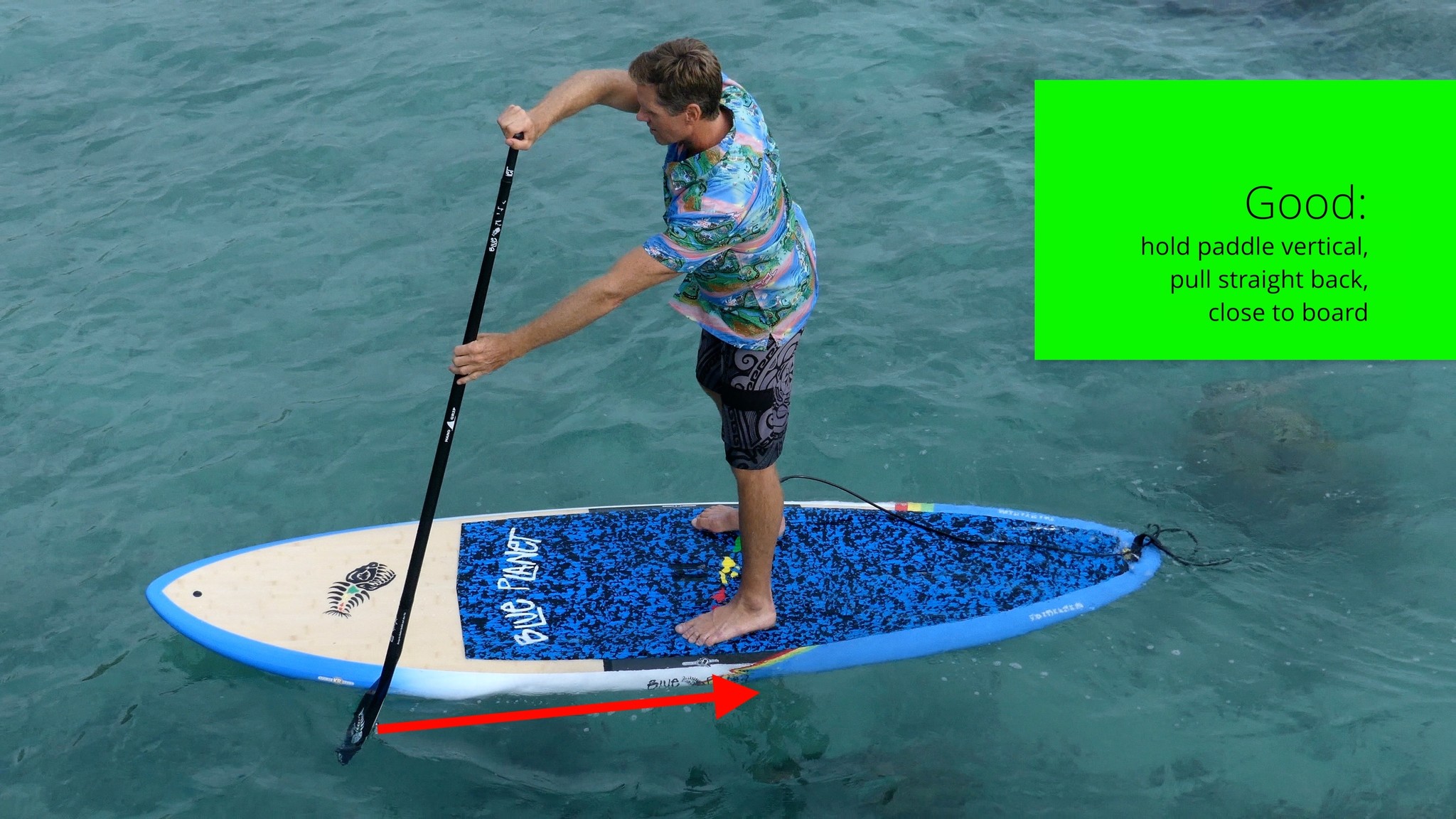
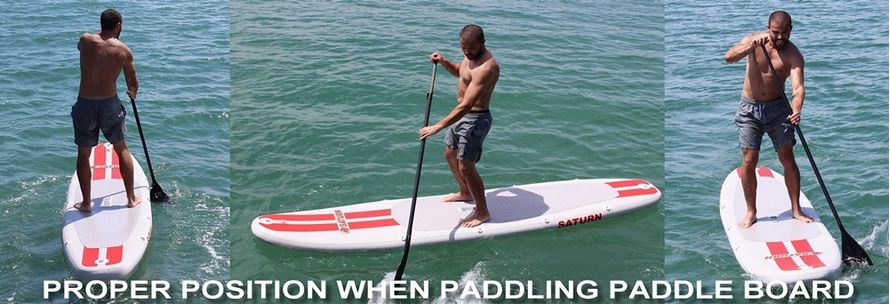
- Keep a relaxed posture – Slightly bend your knees, lean forward a bit, and let the board carry you.
- Practice the “two‑handed “stroke – One paddle move per stroke keeps momentum consistent.
- Use a weighted paddle for the first few minutes – The extra weight helps you feel the paddle’s path and improves technique.
- Check your stance before each session – Feet should be shoulder‑width apart, toes pointing forward.
Integrating these habits into each ride turns practice into efficient skill building.
Choosing the Right Equipment for First Time Riders
- Board width – For beginners, a board 10–11 inches wide offers maximum stability.
- Board length – Longer boards (10–12 feet) glide better, but slightly shorter boards (8–9 feet) are easier to maneuver.
- Paddle length – Measure your height and add about 6–8 inches; a longer paddle can be cumbersome.
- Soft deck – A foam deck reduces shock and makes it easier to find footing.
Buying a board that matches your weight and experience level reduces the chance of early frustration.
When to Seek Instruction vs. Solo Practice
Most people can start in a calm body of water with minimal guidance. If you’re new to water sports, or you want to avoid common mistakes, a 1‑hour lesson with a certified instructor is worthwhile. Instructors can:
- Show correct paddle technique.
- Teach proper balance and turning.
- Highlight safety points like how to return to shore.
After a solid foundation, solo practice becomes enjoyable and safe.
FAQs About Learning SUP
Q1: How long does it usually take to feel comfortable on a SUP?
A1: Most beginners feel good enough to ride for short distances after 3–4 sessions. Full confidence, especially in waves, can take up to 6–8 weeks of regular practice.
Q2: Do I need any special fitness level to start?
A2: No special fitness is required, but a basic level of core and leg strength helps maintain balance and reduces fatigue.
Q3: Can I paddle in the ocean as a beginner