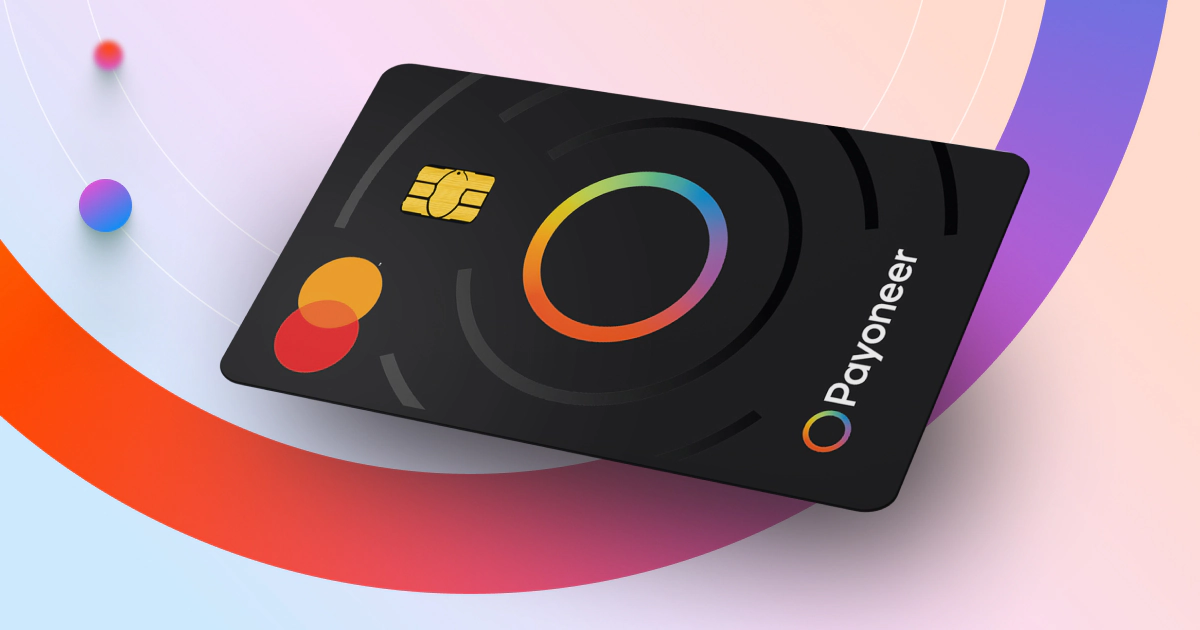
Is the Payoneer Debit Card Right for You in 2024?
If you work remotely, sell on major marketplaces like Amazon or Etsy, or receive consistent payments from international clients, you’ve likely encountered Payoneer. It’s become the standard bridge for many freelancers and small business owners trying to navigate the often-headache-inducing world of cross-border payments. But while the service is well-known, the question isn't just whether Payoneer is good—it’s whether their physical or virtual debit card is the right tool for your specific financial workflow.
Let’s cut through the marketing noise and look at the reality of using a Payoneer card. We’ll break down who benefits, who might want to stick with traditional banking, and where the hidden friction points lie.
Understanding the Payoneer Ecosystem
Before diving into the card itself, it helps to understand what Payoneer actually is. It’s not a traditional bank. Instead, it’s a payment service provider that focuses heavily on facilitating payments between businesses and individuals across different countries. For years, freelancers relied on Western Union or direct bank wires, which came with high fees and slow processing times. Payoneer solved this by creating a localized receiving account in various currencies, allowing you to accept payments as if you were a local.
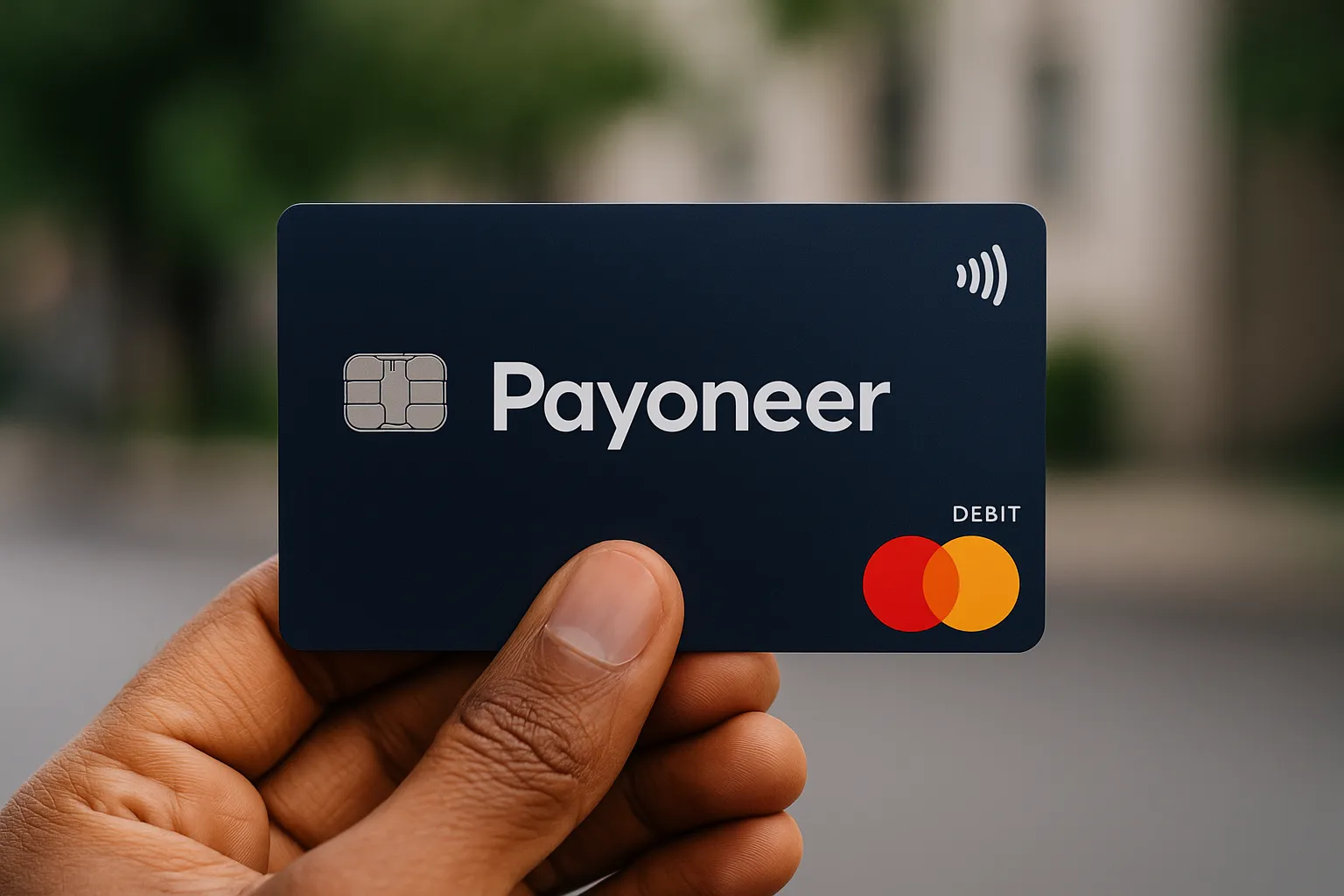
The debit card is simply the access point to those funds. Once money arrives in your Payoneer account, you can withdraw it to your local bank account, or use the card to spend it directly. The card comes in Mastercard form and offers both physical and virtual options. This distinction is crucial because your needs will determine which version makes sense.
Who Should Actually Use the Payoneer Card?
The Payoneer card shines in specific scenarios. It is primarily designed for two groups: remote freelancers working with US-based clients (such as Upwork, Fiverr, or direct corporate contracts) and sellers on global e-commerce platforms.
Consider these use cases:
- The US-Based Freelancer: If you live outside the US but get paid by US companies, Payoneer gives you a US receiving account. You can load the card with those USD funds and spend them seamlessly in the US, whether online or in-person. This avoids awkward currency conversions at multiple stages.
- The Marketplace Seller: Platforms like Airbnb, Amazon Associates, and Etsy often payout via Payoneer. Having the card means you can access those earnings quickly without waiting for a bank transfer, which can take several days depending on your region.
- Travelers with Multi-Currency Accounts: If you travel frequently and hold balances in different currencies, holding a Payoneer card allows you to tap into those specific currency balances to avoid double conversion fees.
The Costs You Can’t Ignore
No financial product is free, and Payoneer is particularly transparent about its fees, though they can add up if you’re not careful. The biggest catch? There is an annual fee for the physical card. Depending on your region and balance, this can range from $35 to $99 per year. For someone with high transaction volumes, this is negligible. For a casual freelancer earning modest amounts, it’s a significant cost.
Then there are withdrawal and ATM fees. Withdrawing cash from an ATM usually incurs a fee, often around $3.15 per transaction. If you plan to use the card primarily for cash withdrawals, these charges will eat into your income. Additionally, if you spend in a currency different from what’s loaded on your card, Payoneer applies an exchange rate margin. It’s competitive, but it’s still a cost you need to factor into your pricing strategy.
Security and Convenience Features
On the positive side, the security features are robust. Payoneer utilizes Mastercard’s security protocols, including chip-and-PIN technology for the physical card. For digital transactions, the virtual card feature is a lifesaver. You can generate a virtual card number for one-time use, which is perfect for subscribing to services or making online purchases without exposing your primary financial data. If the number is compromised, you can simply deactivate it and generate a new one without needing a replacement physical card.
Managing the card through the Payoneer app is generally intuitive. You can freeze the card instantly if you lose it, view transactions in real-time, and even set spending limits. This level of control is often missing from traditional business checking accounts, making Payoneer appealing for those who want granular oversight of their freelance income.
When You Should Avoid Payoneer
Payoneer isn't a one-size-fits-all solution. If you don't need to receive international payments, there is virtually no reason to use Payoneer. Traditional banking apps offer better features, lower fees, and often cashback rewards for domestic spending.
Furthermore, if you prefer keeping your funds accessible via a checking account that offers interest, Payoneer may disappoint. Most Payoneer accounts do not earn interest on balances, meaning your money sits stagnant. For large savings or emergency funds, a dedicated bank account or high-yield savings account is far superior.
Final Verdict
The Payoneer debit card is a specialized tool. It excels at bridging the gap between international earnings and local spending, offering convenience and speed that traditional banks often lack. However, the annual fees and ATM costs mean it’s only "right" for people who actively use it for its intended purpose—managing cross-border income.
If you are a remote worker or global seller, the card is likely a worthwhile expense that streamlines your financial life. But if you are just looking for a low-fee way to spend your local currency, you’re better off sticking with your primary bank. Evaluate your transaction volume, calculate the annual costs, and decide if the convenience outweighs the price tag.
Frequently Asked Questions
Does Payoneer charge a monthly fee for the account?
Payoneer does not charge a monthly maintenance fee for the account itself. However, there is an inactivity fee if you have no transactions for 12 months. The primary cost associated with the card is the annual replacement or issuance fee for the physical card.
Can I use Payoneer to transfer money to friends or family?
Generally, no. Payoneer is designed for commercial transactions and freelance payments. Sending money to personal accounts is restricted and may violate their terms of service. For personal international transfers, services like Wise or Revolut are better suited.
How long does it take to receive the physical card?
Delivery times vary significantly by region. In some countries, it may take 1-2 weeks, while in others, it can take up to 30 days. During this waiting period, you can use the virtual card for online transactions if you need immediate access to your funds.
Is Payoneer safe to use?
Yes, Payoneer is a regulated financial service provider in most jurisdictions. They use standard encryption and security protocols. However, as with any financial platform, you should never share your login credentials or OTP codes, and always monitor your account for suspicious activity.