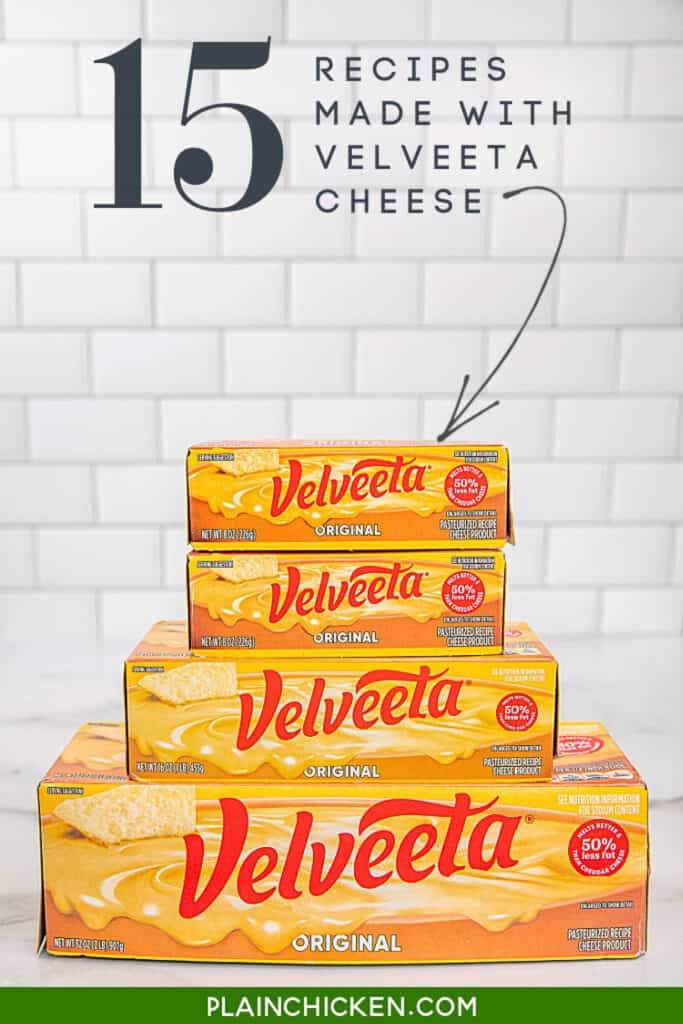
Is Velveeta Cheese Truly Halal for Muslims? A Complete Guide
When you’re scrolling the grocery aisle, trying to decide whether that bright orange block of Velveeta belongs in your pantry, a single question often pops up: is it halal? The answer isn’t tucked away on the packaging, and the mystery can feel a bit frustrating. Below we’ll untangle the ingredients, the certification maze, and the practical steps you can take, so you can feel confident about the choice you make.
What Makes a Food Product Halal?
In the broadest sense, a halal product must not contain anything that Islam expressly forbids—think pork, alcohol, or animal parts that weren’t slaughtered according to Sharia. Beyond that, the manufacturing process can’t introduce cross‑contamination with non‑halal items, and the product usually needs an official certification from a recognized authority.
Key ingredients to watch in cheese
- Milk and cream (generally fine, provided they’re not mixed with animal rennet from non‑halal sources)
- Enzymes – rennet is the usual suspect; microbial or vegetable rennet are halal, animal‑derived rennet may not be
- Flavorings – some “natural” flavors hide alcohol or animal extracts
- Colorants – not typically an issue, but always worth a quick glance at the label
Velveeta’s ingredient list: a quick look
At first glance, Velveeta reads like a typical processed cheese: water, milk, whey, cheese culture, sodium phosphate, and a few stabilizers. The real curiosity lies in the “cheese culture” and “enzymes” sections. The official U.S. label simply says “cheese culture, enzymes.” No further breakdown is given, which leaves a grey area for anyone seeking halal assurance.
Because the ingredient list doesn’t specify the source of enzymes, many scholars lean on the principle of “absence of evidence is not evidence of absence.” In other words, without a clear statement that the enzymes are plant‑based or micro‑bial, they assume a possibility of animal origin.
Does Velveeta carry halal certification?
In the United States, Velveeta does not display any halal certification marks. The brand is owned by Kraft Heinz, a company that offers several halal‑certified lines in specific markets, but Velveeta hasn’t been included in those programs. In contrast, in countries like the United Arab Emirates or Malaysia, certain local variants of Velveeta might be produced under halal‑approved facilities and carry the appropriate seal.
So the short answer: in most Western markets, Velveeta isn’t officially certified halal. If you’re shopping outside those regions, you’ll need to check the local packaging or contact the manufacturer directly.
How to verify on your own
When certainty matters, a few practical steps can help you make an informed decision:
- Read the fine print. Look for any footnotes that mention “microbial rennet” or “vegetable enzymes.”
- Visit the company’s website. Kraft Heinz often provides a detailed ingredient breakdown for each product, sometimes even a Q&A for halal‑seeking consumers.
- Reach out to customer service. A quick email asking “Are the enzymes in Velveeta plant‑based?” can yield a direct answer.
- Check for local certification. If you’re in a predominantly Muslim country, the packaging may show a halal logo from a recognized body like JAKIM (Malaysia) or the UAE’s Emirates Authority for Standardisation.
Alternatives for a halal cheese experience
If you decide Velveeta doesn’t meet your criteria, don’t worry—there are plenty of tasty substitutes that offer the same melty, creamy texture without the uncertainty.
- Halal‑certified processed cheese slices. Brands like “Sargento Halal” or “Al Islami” produce blocks that melt just like Velveeta.
- Homemade cheese sauce. Blend cooked cauliflower, nutritional yeast, and a splash of dairy milk for a smooth, guilt‑free dip.
- Plant‑based cheese alternatives. Many grocery stores now stock vegan “cheese” products, which are automatically halal‑friendly as they contain no animal derivatives.
Practical tips for cooking with Velveeta (if you choose to use it)
Even if you’re comfortable with the uncertainty, or you’ve found a certified version, here are some quick ideas to get that signature gooey stretch:
- Combine Velveeta with a splash of milk and a pinch of mustard for a classic macaroni cheese sauce.
- Use it in nacho dip—melt it with diced jalapeños and a sprinkle of cumin for a crowd‑pleaser.
- Stir it into soups for added richness; just a few cubes can turn a bland broth into something velvety.
Bottom line: weighing the factors
Ultimately, whether Velveeta fits into a halal diet hinges on three main considerations: the source of its enzymes, the presence (or lack) of official certification, and your personal comfort level with ambiguity. If you’re strict about halal compliance, the safest route is to seek out a product that carries a clear seal. If you’re more flexible and trust the brand’s overall reputation, you might decide the risk is minimal.
Remember, food choices are personal, and the best decision is the one that aligns with your values and knowledge. By asking the right questions—like you’re doing right now—you’re already on the path to making informed, satisfying meals.