IUniversity Robotics Competition: A Deep Dive Into The Event
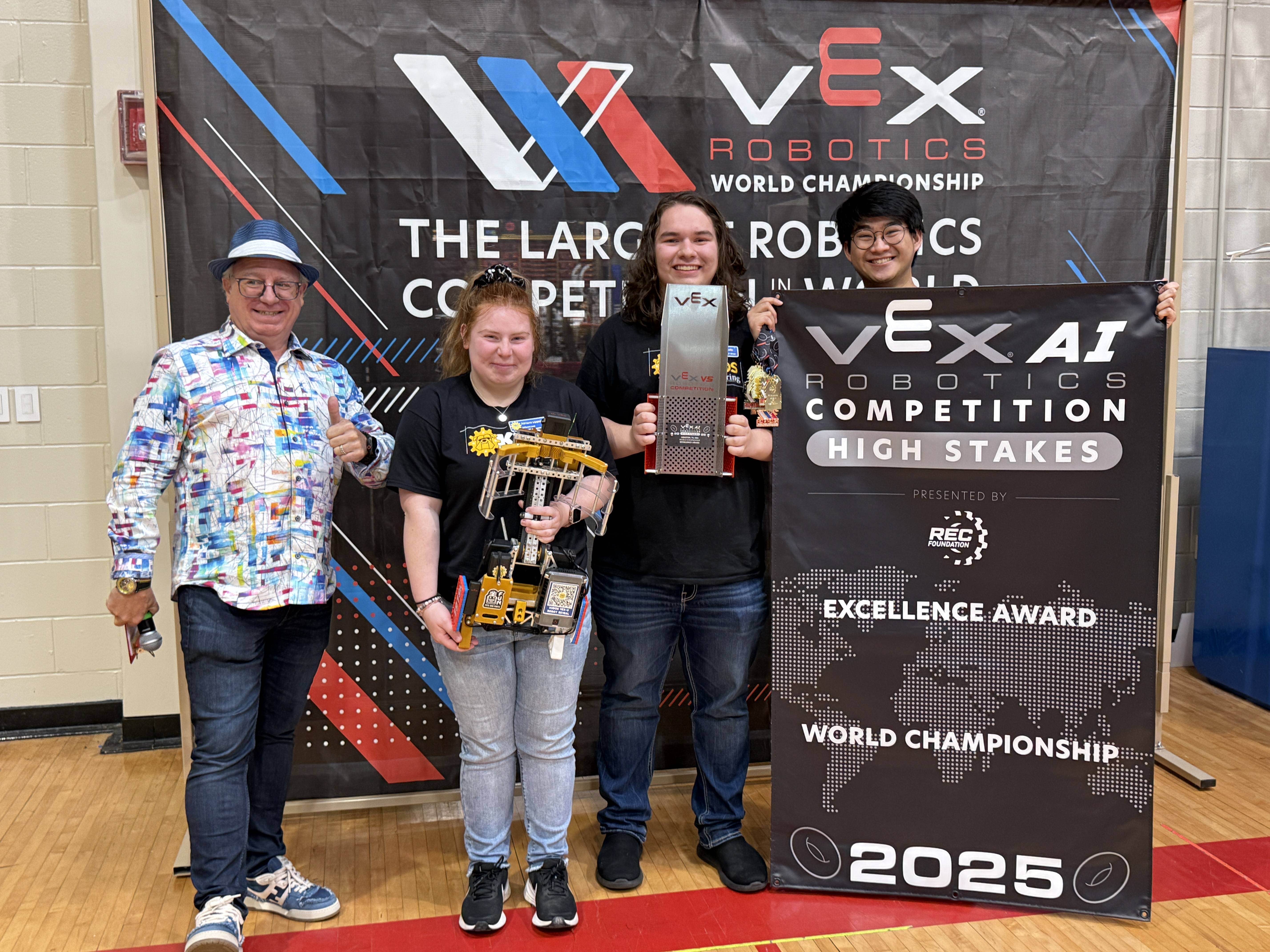
Every spring, the campus buzzes with a mix of solder fumes, frantic brainstorming, and the whir of servos. The IUniversity Robotics Competition isn’t just another student contest; it’s a crucible where theory meets metal, and where fresh ideas get a chance to prove themselves on a real‑world stage. If you’ve ever wondered what really goes on behind the polished demos, you’re in the right place.
Why IUniversity Stands Out
First off, the competition prides itself on a blend of autonomy and collaboration. Unlike some events that hand out strict blueprints, IUniversity gives teams a broad problem statement and lets them decide how to tackle it. That freedom fuels creativity but also demands a solid engineering backbone.
Another differentiator is the involvement of industry mentors. Companies from aerospace to consumer electronics drop in for workshops, offering insights that most classroom labs simply can’t provide. This bridge between academia and the market gives participants a glimpse of what professional R&D feels like.
Competition Structure and Categories
The contest unfolds over three phases: concept, prototype, and final showdown. Each stage carries its own set of deliverables, from design briefs to functional demos. Teams usually consist of 4‑6 members, mixing electrical, mechanical, and software expertise.
- Autonomous Navigation – robots must find their way through an obstacle course without human input.
- Manipulation Challenge – participants program arms to sort objects of varying shapes and weights.
- Energy Efficiency – judges assess how long a robot can operate on a limited power budget.
While the categories sound straightforward, the rules are intentionally vague. For instance, “efficient” can mean low current draw, clever gear ratios, or smart code that reduces idle time. That ambiguity pushes teams to think holistically.
Key Challenges Teams Face
One common hurdle is the dreaded “integration nightmare.” It’s easy to get a sensor working in isolation, but making it talk to the motor controller, the vision system, and the onboard computer simultaneously? That’s where many projects stall.
Supply chain hiccups also rear their heads. A delayed delivery of a Li‑Po battery can push a deadline back by days, forcing teams to rearrange testing schedules. The competition tries to mitigate this by offering a parts bank, yet there’s always the risk of running out of the exact component a team needs.
Lastly, time management matters. With classes, part‑time jobs, and social life, students often find themselves pulling all‑nighters. Burnout isn’t just a buzzword here; it can lead to sloppy solder joints and buggy code.
Practical Tips for Participants
If you’re gearing up for the next round, keep these pointers in mind:
- Start simple. Build a minimal viable robot first; get basic movement and sensor feedback working before adding fancy features.
- Document everything. A well‑kept logbook saves hours when you’re trying to trace why a motor stalls.
- Leverage mentors early. Bring specific questions to the workshops; a quick tip on PID tuning can shave seconds off your lap time.
- Test in realistic conditions. The competition floor isn’t a clean lab; expect uneven lighting and floor debris.
Another often‑overlooked tip is to set up a version‑control system for your code. Even a basic Git repository can prevent the “last stable version” dilemma when you accidentally overwrite a working script.
Impact on Students and the Wider Community
Beyond the trophy, the competition leaves a lasting imprint on participants. Alumni frequently cite it as the spark that led them to graduate studies or to join high‑tech firms. The hands‑on experience of debugging a motor driver under pressure is something no textbook can replicate.
From a community standpoint, the event draws local high school teams for outreach sessions. Watching a younger student’s eyes widen as a robot picks up a ball for the first time creates a ripple effect that encourages the next generation of engineers.
Industry Benefits
Companies gain a low‑cost talent pipeline. By scouting the competition, they can spot students who already demonstrate practical problem‑solving skills. Some sponsors even offer internships to top‑performing teams, turning a campus event into a recruitment funnel.
Looking Ahead: What’s Next for IUniversity?
The organizers have hinted at expanding the challenge lineup to include swarm robotics and AI‑driven decision making. If those proposals materialize, teams will need to grapple with networking protocols and machine‑learning models—skills that are increasingly in demand across sectors.
There’s also talk of a virtual component. A digital twin of the arena could let teams run simulations before stepping onto the physical floor, potentially reducing the trial‑and‑error period. Whether that happens this year or the next, the competition’s core ethos—pushing students to innovate under real constraints—will likely stay the same.
In short, the IUniversity Robotics Competition offers more than a chance to showcase a robot; it provides a condensed, high‑stakes laboratory where theory, teamwork, and tenacity collide. Whether you’re a seasoned participant or a newcomer eyeing the next season, the lessons learned here echo far beyond the final buzzer.