Jet Lag In Slang: What Does It Actually Mean?
You’ve probably heard someone complain about being exhausted after a long day, only for them to casually drop the phrase they’re dealing with "jet lag." It’s become a ubiquitous excuse in modern workplaces and social circles. But if you weren’t just back from Tokyo or London, why are they using that term? The phrase has morphed from a strict medical condition into a colorful piece of slang that describes a very specific type of fatigue.
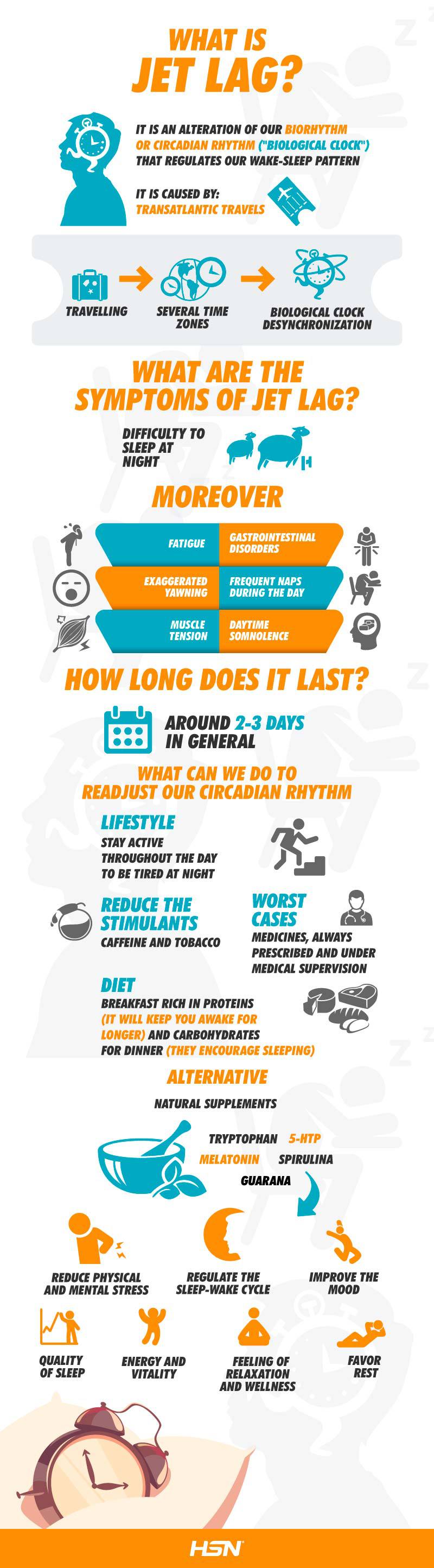
To understand the slang definition of jet lag, you first have to look at the literal one. Medically, jet lag is a temporary sleep disorder caused by traveling across multiple time zones. Your internal clock, or circadian rhythm, gets out of sync with the light-dark cycle of your new environment. It’s messy, it’s frustrating, and it makes you feel like your brains are wrapped in cotton wool. The slang version borrows this feeling of disorientation and exhaustion but removes the requirement of actual international travel.
The Slang Definition: Exhaustion Without Travel
When people use "jet lag" as slang, they are describing a state of profound mental or physical fatigue that feels disproportionate to the actual amount of travel—or lack thereof—involved. It’s often used when someone has stayed up too late, pulled an all-nighter for work or school, or simply overextended themselves socially. The key nuance here isn’t just tiredness; it’s the specific *malaise* that comes with sleep disruption.
Imagine you stayed up until 4:00 AM watching a binge-worthy series, then had to wake up at 7:00 AM for a meeting. You didn’t cross any time zones, but your body feels like it’s operating on a different planet. Your reactions are slow, your mood is short, and you struggle to focus. That specific groggy, disconnected feeling is what slang-using friends call jet lag. It’s a shorthand for "I am mentally fragile and running on fumes."
Why This Metaphor Works
Language evolves through relatable imagery. Jet lag is a universally understood villain. Almost everyone who travels has suffered from that heavy-lidded, confused state where you forget basic words or mix up days of the week. By applying this label to everyday exhaustion, speakers evoke a shared understanding of frustration. It’s not just "I’m tired." It’s "I’m so tired it’s affecting my personality." The metaphor emphasizes the disorientation aspect. You aren’t just sleepy; you are out of sync with the rest of the world.
This usage is particularly common among younger demographics and in digital communication. On platforms like Twitter or Instagram, posting a video of yourself looking disheveled with the caption "Jet lag is real" might just mean you had a rough night’s sleep, not that you just landed in Paris. It adds a layer of dramatic flair to a mundane complaint. It suggests that the exhaustion is severe enough to disrupt your normal functioning, much like crossing the International Date Line.
Context Matters: When Is It Jet Lag?
Decoding whether someone means literal or slang jet lag requires reading the room and checking the recent itinerary. Context clues are your best friend here. If your colleague mentions jet lag three days after returning from a business trip in Singapore, they likely mean the medical condition. They are suffering from circadian desynchronization.
However, if your friend sends a text at 10:00 AM on a Tuesday saying "Sorry I’m slow today, terrible jet lag," and you know they stayed home on Friday night, they are using the slang. They are excusing their delayed responses or eccentric behavior by blaming a self-induced state of sleep deprivation. It’s a humorous self-deprecation. It softens the blow of being unproductive. Instead of sounding lazy, they frame their inactivity as a biological hiccup, albeit one they caused themselves.
This distinction is crucial for workplace etiquette. If you’re managing a remote team, understanding this slang can help you gauge seriousness. A literal jet lag complaint might warrant flexibility with deadlines. A slang jet lag complaint is often just a venting session. They want empathy, not necessarily a change in project timelines. Recognizing the humor in the usage helps maintain a healthy, communicative dynamic.
The Rise of "Social Jet Lag"
Interestingly, there is a scientific concept that bridges the gap between slang and reality: social jet lag. This term describes the conflict between your internal biological clock and the time you get to sleep due to social obligations. If you want to sleep at 10:00 PM but have to stay up until 2:00 AM for social events, your body experiences a shift similar to crossing time zones. Scientists call this social jet lag, and it has legitimate health implications.
The slang usage is essentially a colloquial offshoot of this phenomenon. It validates the feeling that our social lives can throw our bodies out of alignment just as much as a plane ride can. It acknowledges that modern life creates artificial time zones. The deadline zone, the party zone, the binge-watching zone. When we hop between these high-energy and low-energy states rapidly, we feel the lag. The slang term captures this modern dilemma perfectly. It’s not about geography; it’s about lifestyle rhythm.
How to Respond to Slang Jet Lag
If someone mentions slang jet lag to you, the best response is usually light-hearted empathy. Since it’s often used as an excuse for minor inefficiencies or social withdrawal, a supportive but playful reply works best. You might joke about their imaginary flight path or offer them a virtual coffee. The goal is to acknowledge their fatigue without treating it like a medical emergency.
For example, if a friend texts "Running on jet lag today," a good response might be, "Did you fly to anywhere exciting, or just stay up way too late? Hope you crash soon." This clarifies the intent while maintaining the friendly banter. It shows you understand the subtext: they’re tired, they’re overwhelmed, and they appreciate a little slack. It builds rapport by sharing in the common struggle of balancing life demands with basic biological needs.
FAQs About Jet Lag Slang
Is slang jet lag related to drug use?
Sometimes, the term is used loosely in party cultures to describe the comedown effect from stimulants or all-nighters involving substance use. In this context, it refers to the crash that follows a night of heavy partying. While the primary slang meaning is general exhaustion, be aware that in certain subcultures, it can hint at a more chaotic night out rather than just lack of sleep.
Can you get jet lag from staying home?
Yes, in the slang sense, absolutely. And scientifically, too, via social jet lag. If your sleep schedule fluctuates wildly—sleeping late on weekends and waking early on weekdays—you experience a mini jet lag every Sunday night. This weeknight-to-weekend shift confuses your circadian rhythm, leading to Sunday scaries and Monday morning grogginess.
Why do people use "jet lag" instead of just saying tired?
"Tired" is too simple. It doesn’t capture the mental fog or the emotional irritability that often accompanies poor sleep. Jet lag implies a disconnect from reality, a sense of being out of phase with the world. It’s a more expressive, vivid way to communicate that you aren’t just sleepy; you’re malfunctioning. It adds color to the complaint.
Understanding the nuance between medical jet lag and its slang cousin helps navigate modern social interactions. It’s a small linguistic shift that reflects a bigger truth: in our fast-paced world, we often feel out of sync, regardless of where we are. Whether you’re actually crossing oceans or just crossing midnight, the feeling is all too familiar. Recognizing the slang helps us empathize with the universal struggle to keep our internal clocks aligned with the demands of daily life. It’s a reminder that exhaustion isn’t just physical; it’s a state of being that affects how we connect with everyone around us.