Journalistic Diction: Write News Effectively – A Quick Guide
When a story hits the page, the words themselves become the frontline. They decide whether a reader skims, pauses, or keeps turning pages. Mastering journalistic diction is less about flashy vocabulary and more about precision, clarity, and rhythm.
What Is Journalistic Diction?
At its core, journalistic diction is the set of language choices that make news reporting both trustworthy and readable. It blends the objectivity of a court testimony with the readability of a conversation. The aim? Convey facts without the fluff that can cloud meaning.
It isn’t a secret code reserved for elite editors; it’s a habit you develop by listening to how people naturally speak about events. Notice the difference between “the city council approved the ordinance” and “the city council, after a lengthy deliberation, gave the green light to the ordinance.” The former is crisp, the latter drags.
Core Principles of Effective News Language
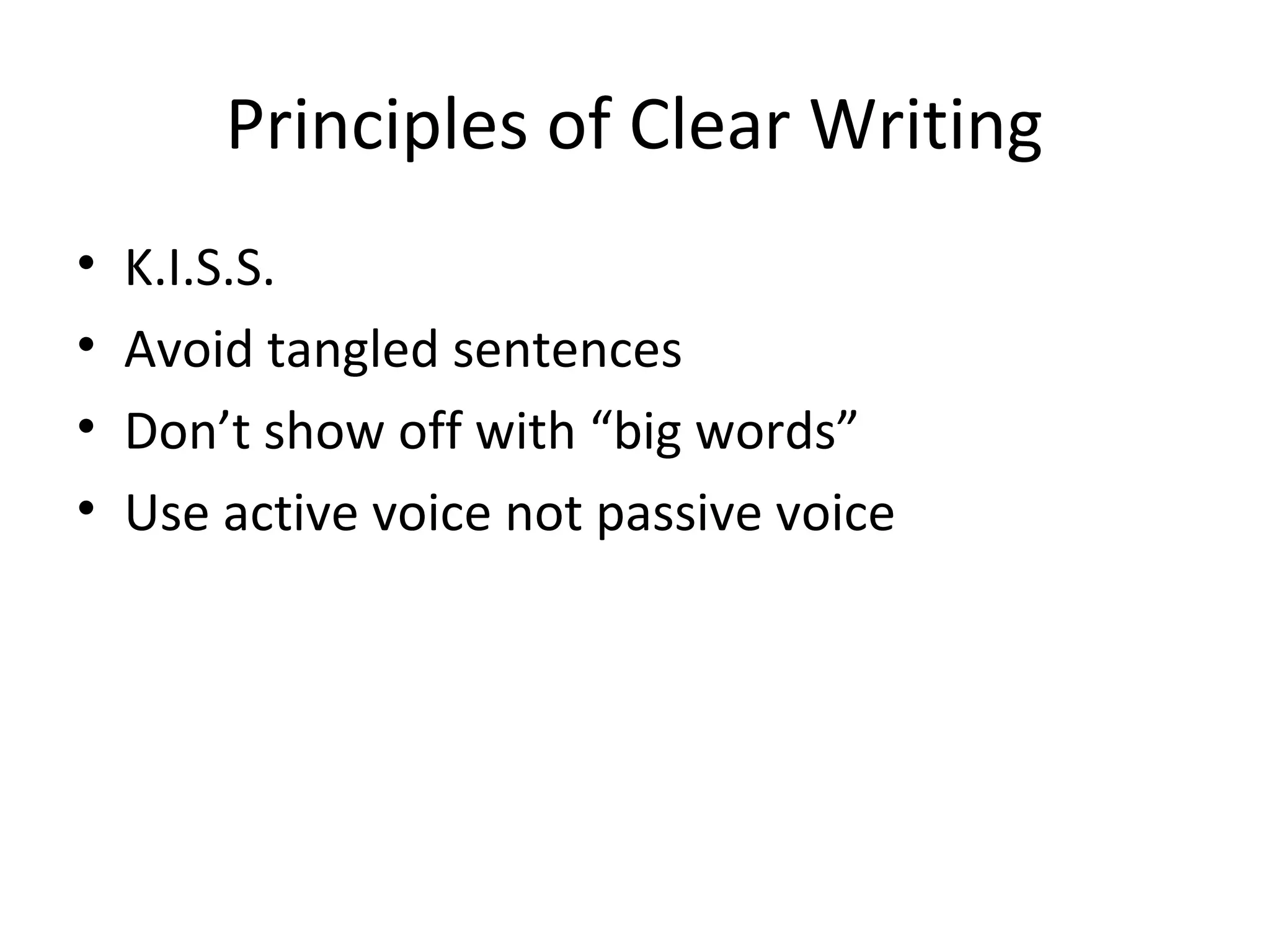
Clarity over cleverness. A reader should grasp the who, what, when, where, and why within seconds. If a sentence forces double‑taking, it fails its purpose.
Brevity, not brevity for its own sake. Every word must earn its place. Cut adjectives that add no factual value, but keep those that clarify—think “storm” versus “torrential storm” when the intensity matters.
Active voice dominates. “The mayor announced the budget” beats “The budget was announced by the mayor.” Active constructions keep the narrative alive and direct.
Neutral tone. Even when covering heated topics, avoid loaded language. Instead of “the reckless protester,” describe the behavior: “the protester ignored the police barricade.”
Stylistic Tips for the Modern Reporter
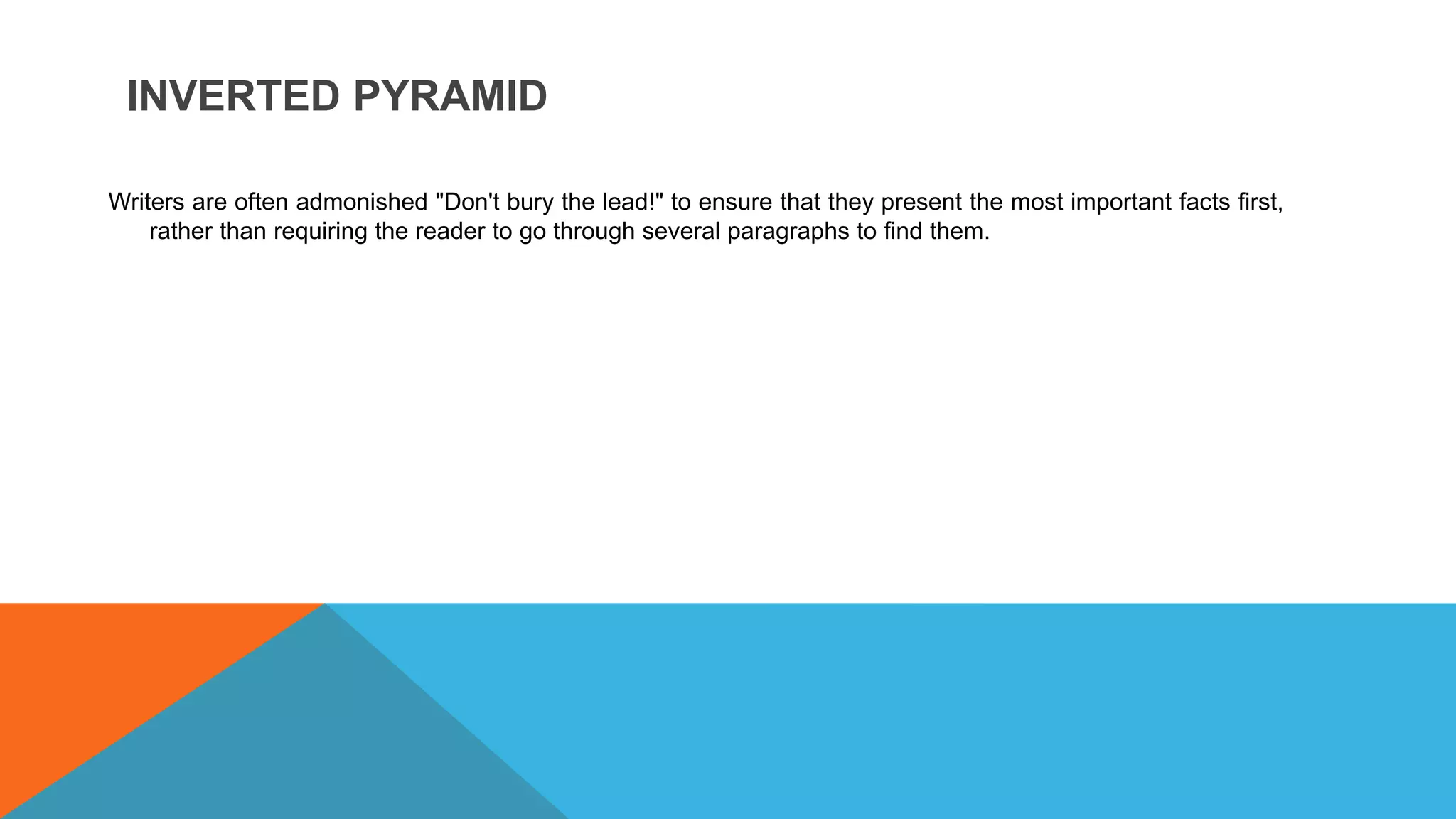
- Lead with the strongest fact. If a statistic or quote packs the punch, place it near the opening.
- Use short paragraphs—two to three sentences—to give the eye a place to rest.
- Invert the classic “inverted pyramid” when storytelling demands—just ensure the essential facts stay up front.
- Prefer concrete nouns over abstract jargon; “the bridge” beats “the infrastructure.”
- Echo key terms sparingly to reinforce the story without sounding repetitive.
Another often‑overlooked nuance is the strategic use of quotes. Direct speech can humanize a piece, but it should never replace the reporter’s own synthesis of information.
Consider the rhythm of your prose. Vary sentence length: a terse statement followed by a more detailed explanation creates a natural flow, much like a conversation that pauses for emphasis.
Common Pitfalls to Avoid
Over‑editing. In the quest for perfection, reporters sometimes strip away crucial context. If a detail seems “extra,” ask whether it deepens understanding before cutting it.
Jargon overload. Industry-specific terms can alienate readers outside the field. If you must use them, define them on first mention.
Redundancy. Phrases like “each and every” or “basic fundamentals” waste space. Lean on one word—each or fundamentals.
Subjectivity disguised as fact. Phrases such as “many believe” without attribution become vague opinion. Cite a source or replace with a measurable statement.
Putting Theory into Practice
Start each assignment by drafting a one‑sentence summary that captures the core. Then expand, checking that every clause adds something new. Read the draft aloud; stumbling sentences usually need trimming.
After you finish, step back for a minute, then scan for:
- Passive constructions that could be active.
- Adjectives that don’t serve a factual purpose.
- Unnecessary repetition of names or locations.
Finally, run a quick fact‑check on any numbers, dates, and direct quotes. The credibility of your diction hinges on the accuracy behind it.
In the fast‑moving world of news, the ability to write with clean, decisive diction sets a story apart from the noise. It’s a skill you sharpen with each piece, and one that ultimately respects the reader’s time and intelligence.