Kinetic Sand Asbestos Concerns: What You Need to Know
When kids dig, sculpt, and pour endless dunes of kinetic sand, most parents picture a harmless, sensory‑rich playtime. Yet a lingering whisper about asbestos has turned that picture a little cloudy. Below we untangle the facts, point out realistic risks, and suggest practical steps to keep playtime both fun and safe.
What Is Inside Kinetic Sand?
At its core, kinetic sand is a blend of ordinary silica sand and a polymer coating—usually a type of silicone oil or dimethicone. The coating gives the sand its trademark “stick‑and‑flow” feel without the mess of dry sand.
Silica itself is a natural component of many soils and rocks. In isolation, it isn’t a health threat; the danger emerges when the particles are airborne and inhaled over prolonged periods, as is the case with respirable crystalline silica.
Where Does the Asbestos Rumor Come From?
Two main threads feed the concern:
- Historical use: Decades ago, some sand‑based toys incorporated asbestos fibers as a binder. Those products are no longer on the market, but the memory sticks.
- Label confusion: Some packaging lists “silica” or “quartz” without specifying the grade. Because “asbestos” is also a fibrous silicate, a casual glance can spark alarm.
Modern kinetic sand manufacturers, especially those complying with U.S. Consumer Product Safety Commission (CPSC) standards, do not use asbestos. The polymer coating replaces any need for fibrous additives.
Regulatory Safeguards
Regulators keep a watchful eye on any product that could release fine particles. In the United States, the CPSC mandates that toys marketed to children under three must meet strict lead and asbestos limits. Similar rules exist in the EU under the REACH framework.
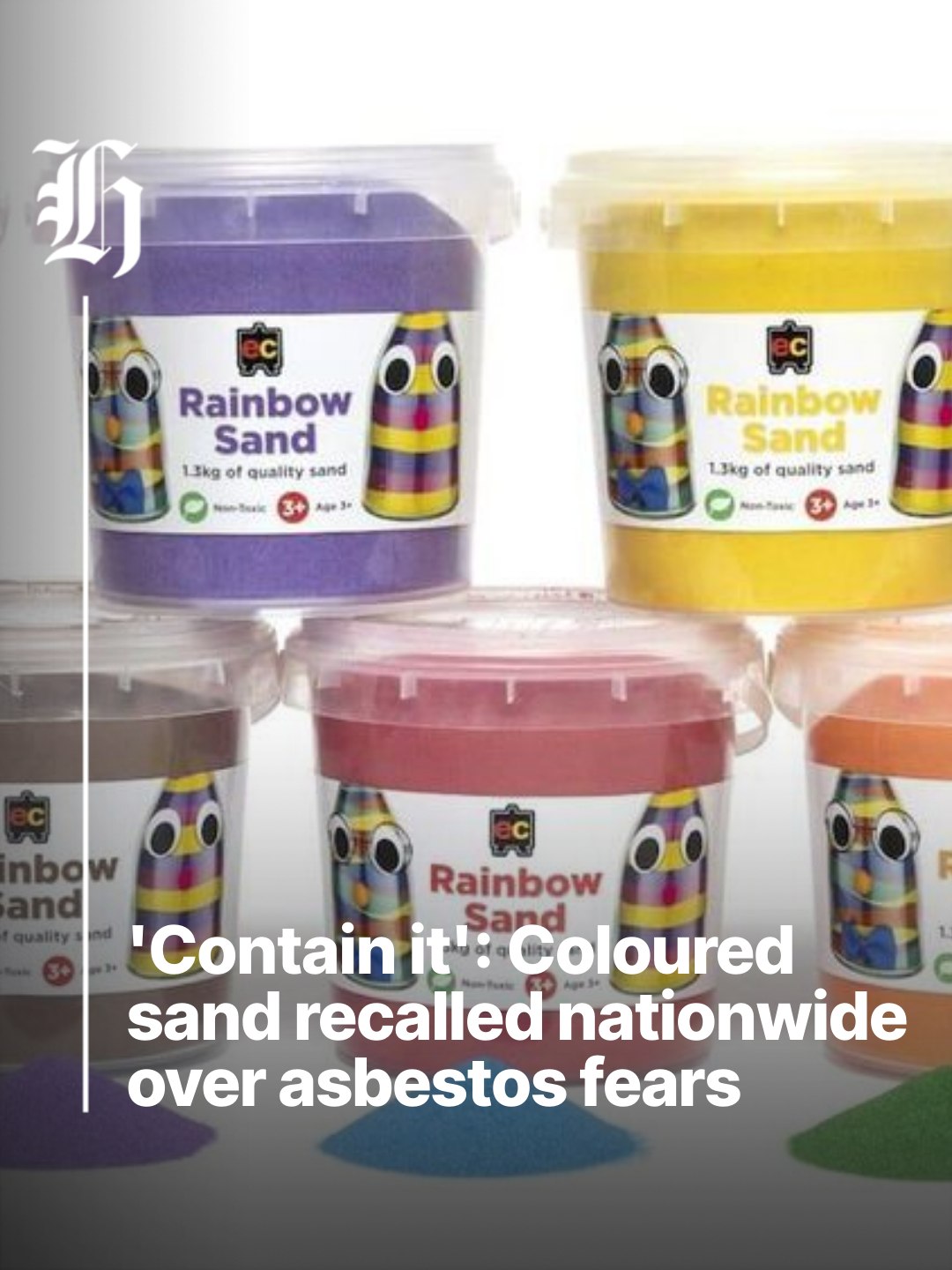
If a kinetic sand batch were to contain asbestos, it would have to be recalled—something that has happened only once, and it involved a counterfeit brand that mimicked a popular name.
Real‑World Risk Assessment
Even if a sand contained trace silica, the actual risk during normal play is low. The polymer coating binds particles together, limiting dust. However, the risk rises if:
- Children chew or swallow the sand.
- Adults break the sand down into a fine powder for crafts.
- The product is used in an unventilated space where dust can accumulate.
In those scenarios, inhalation of any fine particulate matter—silica or otherwise—could irritate the lungs, especially for individuals with pre‑existing respiratory conditions.
How to Verify Your Sand Is Safe
When in doubt, a quick checklist can save a lot of worry:
- Check the label: Look for statements like “asbestos‑free” or “meets CPSC safety standards.”
- Ask the retailer: Reputable sellers can provide a safety data sheet (SDS) on request.
- Inspect the texture: Genuine kinetic sand feels slightly moist and clumps without producing a cloud of dust when squeezed.
- Research the brand: Established brands often have third‑party testing results posted online.
Practical Safety Tips for Parents
Even with a certified product, a few simple habits make playtime smoother:
- Store the sand in a sealed container after each session.
- Keep play areas well‑ventilated; a window or fan helps disperse any stray particles.
- Wash hands before meals, and discourage kids from putting sand in their mouths.
- Avoid mixing kinetic sand with other powders (e.g., flour, glitter) unless you’re certain the mix won’t create dust.
One‑line reminder: A clean surface is a happy surface.
What to Do If You Suspect Contamination
If a batch looks unusually gritty, or if the packaging claims are missing, stop using it. Contact the manufacturer’s customer service—they usually have a dedicated line for safety queries. Should you suspect asbestos, most health agencies recommend:
- Do not disturb the material further.
- Contact local environmental health officers for testing.
- Dispose of the sand according to hazardous‑waste guidelines if confirmed.
Most likely, the issue will be a simple mislabel rather than a true asbestos presence.
Alternatives Worth Considering
If the thought of any mineral‑based sand still feels uncomfortable, there are polymer‑only options. These “play dough‑style” sand substitutes use pure silicone gels, eliminating mineral content entirely. They tend to be pricier, but the peace of mind can be worth the extra cost.
Bottom Line
Kinetic sand itself isn’t a ticking time bomb for asbestos exposure. Modern formulations are asbestos‑free, and regulatory oversight keeps manufacturers in check. The occasional dust cloud is more a nuisance than a health crisis, especially if you follow basic hygiene and storage practices.
So, when your child’s hands sift through that brilliant, moldable dune, you can focus on the giggles rather than the grain composition. After all, a little sand between the fingers is one of those simple joys that shouldn’t be shadowed by unfounded fear.