Latest Innovations in Airplane Technology Transforming Flight
When you step onto a modern jet, you’re not just boarding a metal tube—you’re entering a moving laboratory. Engineers are weaving together electrics, composites, and data in ways that would have seemed sci‑fi a decade ago. The result? Aircraft that are cleaner, quieter, and, honestly, a bit more futuristic.
Electric Propulsion and Hybrid Systems
Battery chemistry has taken a leap forward, shrinking the weight‑to‑energy gap that once made full‑electric commercial flight a pipe dream. Companies like Heart Aerospace and Pipistrel are already testing regional planes that run on lithium‑sulfur cells, promising zero‑emission hops of up to 300 km.
Hybrid‑electric designs sit in the sweet spot between pure electric and conventional turbofans. A small electric motor can supplement a turbine during take‑off, cutting fuel burn by 15‑20 % without demanding a massive battery pack.
- Reduced noise: Electric motors spin more smoothly, cutting cabin and ground‑level sound levels.
- Flexibility: Operators can switch between electric‑only and hybrid modes depending on route length.
- Infrastructure synergy: Airports are experimenting with fast‑charge stations, mirroring trends in automotive charging.
Still, the technology isn’t flawless. Battery overheating risks demand sophisticated thermal‑management systems, and regulatory frameworks for mixed‑propulsion are still catching up.
Advanced Aerodynamics and Morphing Wings
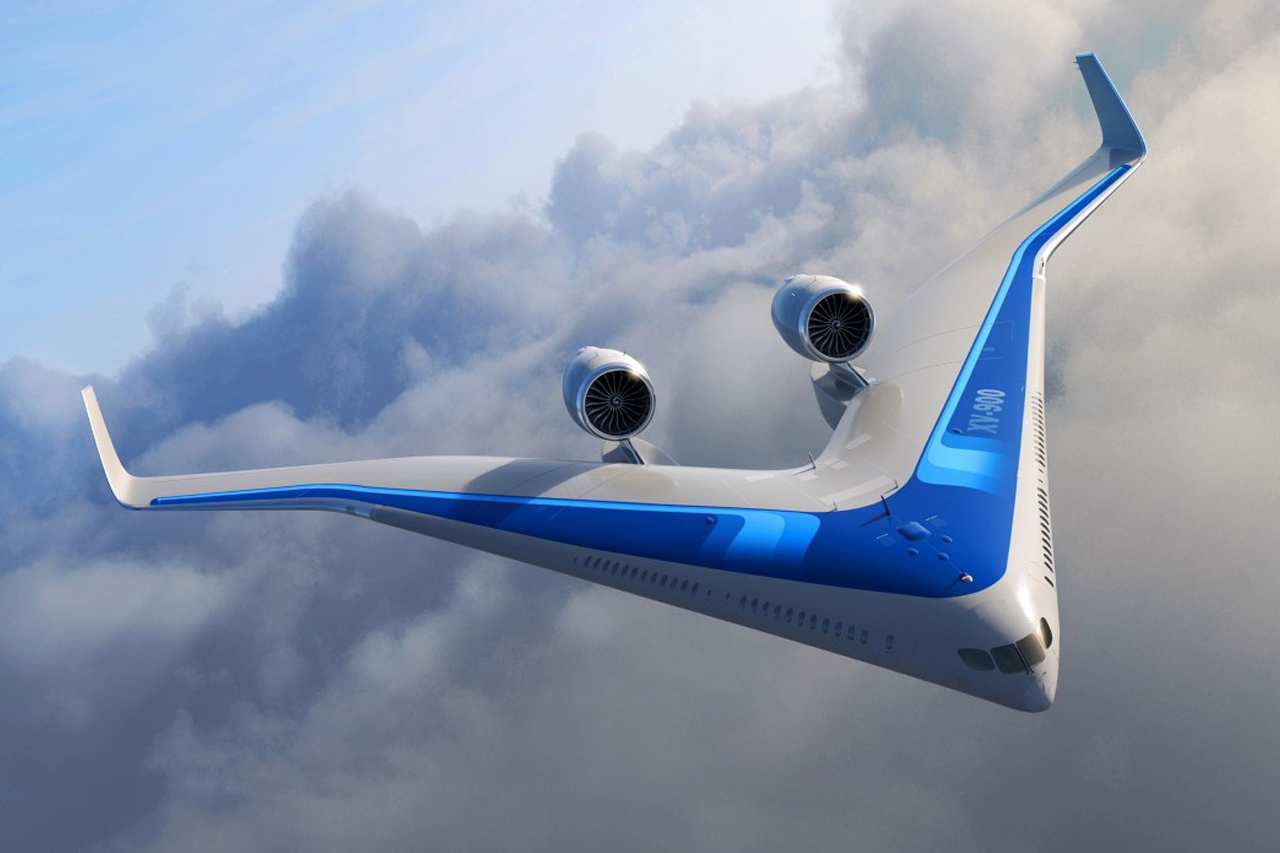
What if an aircraft’s wings could adapt mid‑flight, just like a bird adjusting its feathers? That’s the premise behind morphing‑wing concepts currently being trialed by NASA and Airbus.
By embedding shape‑memory alloys and smart actuators, designers can subtly change camber, twist, or even extend winglets. The payoff is a modest but real improvement in lift‑to‑drag ratios—sometimes as much as a 5 % boost on cruise.
For airlines, every percentage counts. A smoother aerodynamic envelope translates into lower fuel costs and fewer emissions, especially on long‑haul routes where small gains compound over thousands of miles.
Next‑Gen Materials and Manufacturing
Carbon‑fiber‑reinforced polymers (CFRP) have been a staple in premium aircraft for years, but new hybrid composites are pushing the envelope further. Researchers are blending graphene nanosheets with epoxy resins, yielding panels that are lighter yet tougher than traditional CFRP.
Beyond materials, additive manufacturing—think large‑scale 3D printing—has entered the production line for engine components and structural brackets. This approach slashes waste, shortens lead times, and allows for internal geometries that were impossible to machine.
- Weight savings of up to 30 % on specific engine parts.
- Complex cooling channels integrated directly into printed turbine blades.
- Customization for different airline specifications without retooling entire factories.
There’s a downside: printed metal parts require rigorous non‑destructive testing to certify their fatigue life. Still, the industry’s learning curve is steep, and the benefits are hard to ignore.
Avionics, AI, and Autonomous Flight
Glass cockpits have long been the norm, but now the entire flight deck is becoming a data‑rich, AI‑augmented environment. Advanced flight‑management systems can predict turbulence up to 30 minutes ahead, nudging pilots toward smoother altitudes.
On the autonomy front, the FAA and EASA are piloting “Envelope‑Free” concepts where an aircraft can perform take‑off, climb, and even emergency landings without direct pilot input, though a human remains in the loop for critical decisions.
Machine‑learning algorithms are also optimizing maintenance schedules. By analyzing vibration signatures and temperature trends, AI can flag a component that’s likely to fail weeks before it actually does, turning costly unscheduled repairs into routine swaps.
What It Means for Passengers
From a traveler’s perspective, these innovations converge into a quieter cabin, smoother rides, and—hopefully—cheaper tickets as airlines trim operational expenses. The promise of electric regional flights could also open up new routes between smaller cities, reducing the need for long ground transfers.
And while full autonomy may still feel far off, incremental automation is already making check‑in, boarding, and baggage handling more seamless. The next time you glide past a runway humming softly instead of roaring, you’ll know it’s the sound of technology finally catching up with imagination.