License Plate Readers: How the Tech Works & Why Privacy Matters
You see them everywhere now. Mounted on traffic lights, dotted along highway gantries, or even tucked into the dashcam of a private citizen’s vehicle. License plate readers, often referred to by the acronym LPR or ALPR, have shifted from niche law enforcement tools to a ubiquitous presence in our urban landscape. But what exactly is happening when a camera flashes on your car, and where does the line between public safety and personal surveillance get drawn?
Understanding this technology isn’t just about knowing how cameras work. It’s about grasping the infrastructure of modern tracking. These systems capture more than just a string of characters on a metal plate; they create a digital footprint of your movement, your habits, and your associates. For many, the convenience is undeniable. For others, it feels like the eyes of Big Brother are no longer fictional. Let’s break down the mechanics of LPR technology and dive into the complex privacy debate surrounding it.
How License Plate Readers Actually Work
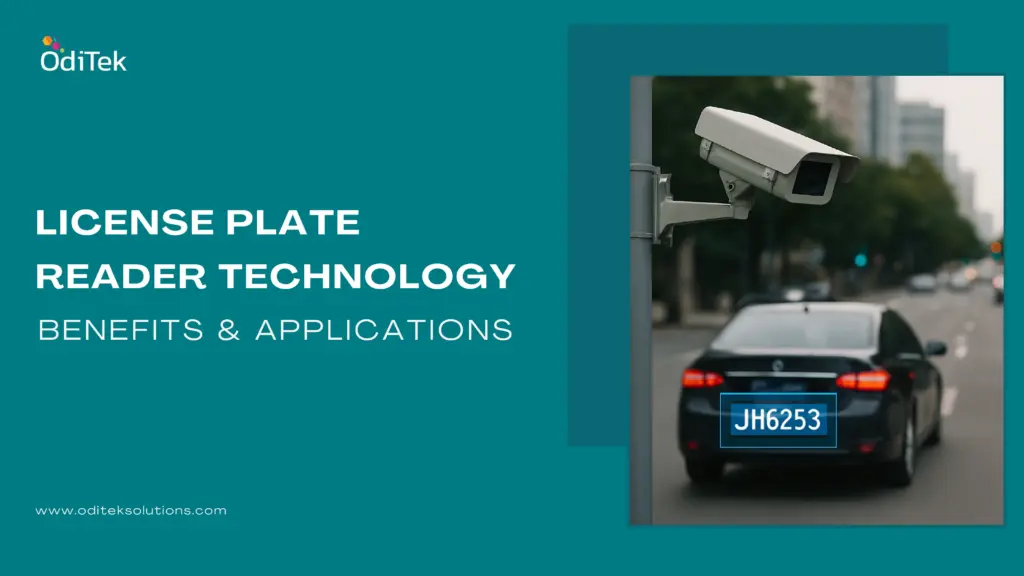
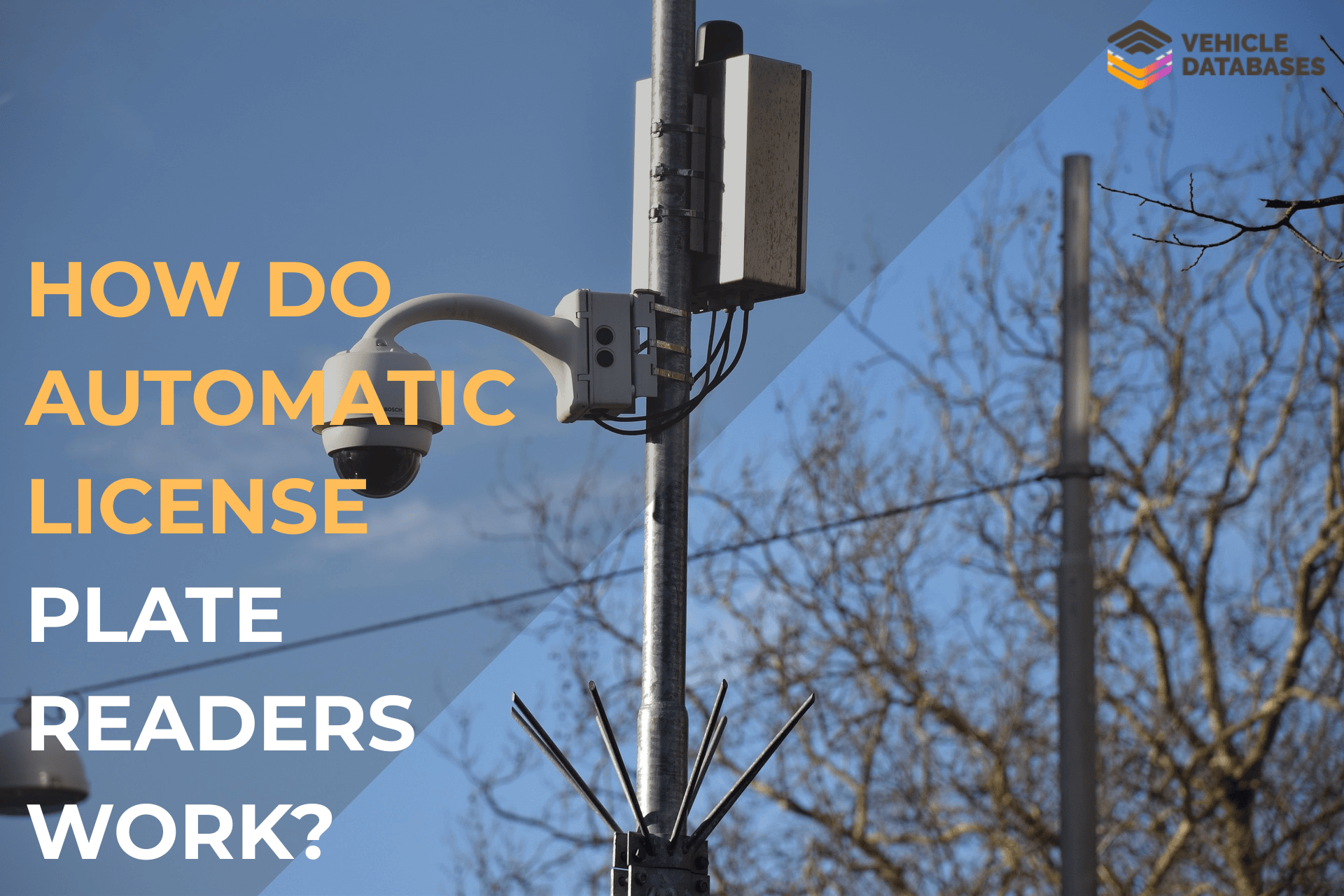
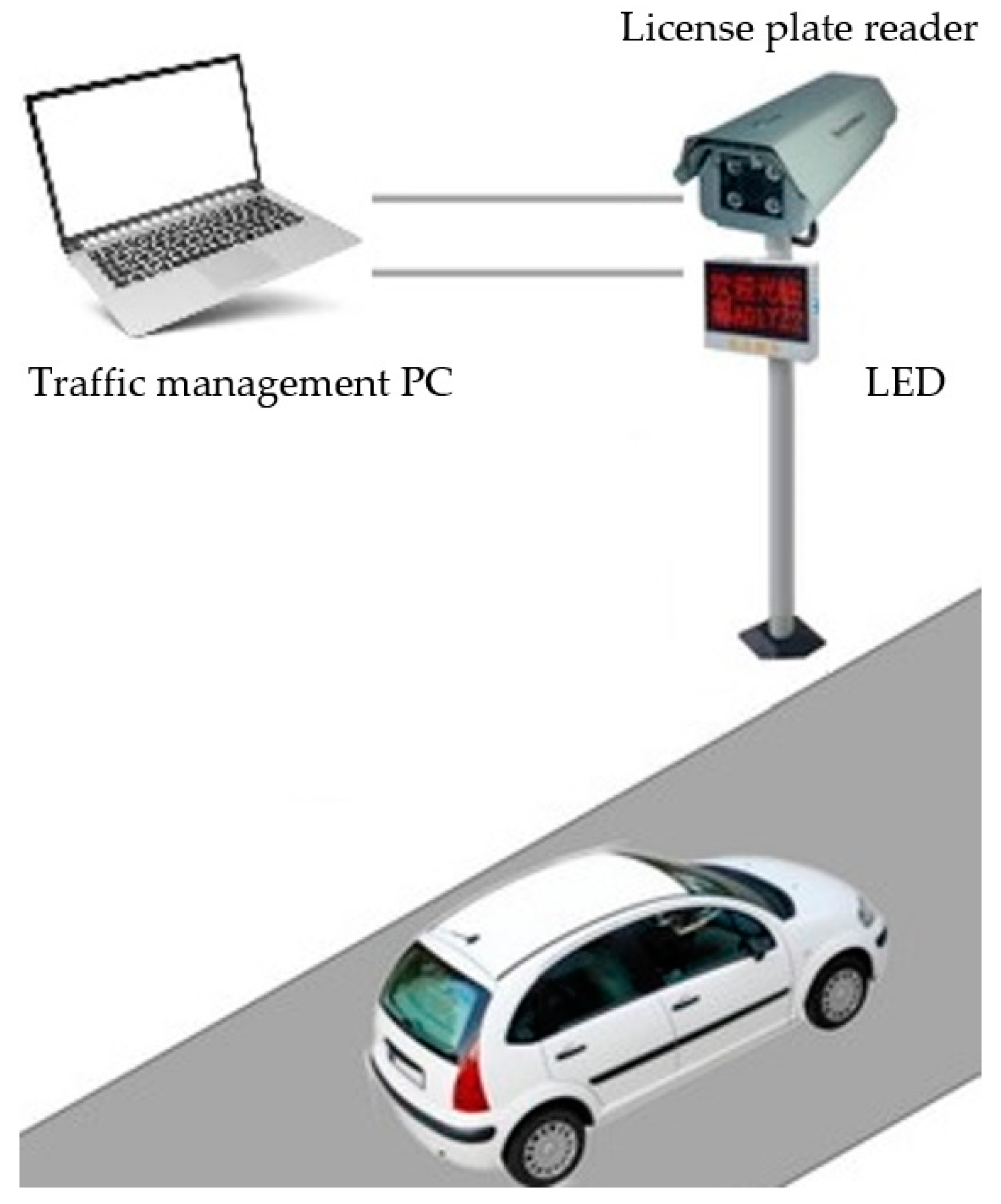
At a glance, an LPR system looks like a standard traffic camera. But under the hood, it’s a specialized piece of hardware designed for high-speed data extraction. The process begins with an infrared illuminator. This is crucial because it allows the system to read plates at night or in poor lighting conditions without blinding drivers with harsh green or white lights like traditional radar guns might.
Once the image is captured, onboard computer vision software kicks in. It doesn’t just take a photo; it actively searches the frame for the specific shape, size, and contrast patterns of a license plate. Once identified, Optical Character Recognition (OCR) algorithms translate those pixels into alphanumeric data. This happens in milliseconds. The system then tags the image with metadata: the precise GPS location, the time, the angle of approach, and often the make, model, and color of the vehicle.
This data isn’t just sitting idle. In law enforcement contexts, the information is instantly run against hotlists—databases containing stolen vehicles, Amber Alert subjects, or wanted persons. If there’s a match, an officer is alerted in real-time. If there isn’t, the data is typically stored in a central repository, often for weeks, months, or even years, depending on the jurisdiction’s retention policies.
The Privacy Paradox: Safety vs. Surveillance
The primary argument for LPR technology is compelling. It helps recover stolen cars, tracks down kidnappers, and identifies drivers fleeing crime scenes. In these moments, the technology acts as a force multiplier for police, allowing a single officer to monitor hundreds of vehicles on a highway simultaneously. The efficiency gains are significant, and the safety benefits are tangible.
However, the privacy concerns stem from what happens to the data of the millions of innocent drivers who don’t match those hotlists. When every movement is recorded, the cumulative effect is a comprehensive history of anyone’s life. You can deduce where someone lives, where they work, where they worship, who they visit, and what medical facilities they frequent. This transforms anonymous travel into a reconstructed biography.
Critics argue that the Fourth Amendment protections against unreasonable search and seizure are being eroded. The Supreme Court has ruled on aspects of digital tracking, but the sheer volume of LPR data often outpaces legal frameworks. Most agencies have retention policies that supposedly destroy data after 30 to 90 days, but audits frequently reveal that data sticks around far longer than intended. In some cases, it is shared with private investigators, insurance companies, or other government agencies without the driver’s knowledge or consent.
Who Is Using This Data?
While law enforcement remains the primary user, the ecosystem is expanding. Tolling authorities use similar technology for revenue collection, but the data sharing agreements can be murky. If a tolling system identifies a vehicle, is that data cross-referenced with criminal databases? It can be.
- Private Sector Use: Some businesses rent LPR data for skip-tracing or debt collection. This means your financial problems could be tied to your daily commute routes.
- Real Estate and Development: Developers sometimes use LPR data to analyze traffic patterns for commercial planning, effectively surveilling communities to optimize profit margins without pedestrian consent.
- Insurance Telematics: As usage-based insurance grows, the potential to link driving behavior directly to license plate identification creates a new layer of risk assessment that many drivers find invasive.
The decentralization of this technology is another wildcard. Unlike police fleets, which are regulated to some degree, consumer-facing dashcams and security systems now often include built-in LPR capabilities. This means that private citizens can also build their own databases of personal movement, creating a patchwork of surveillance with little oversight.
Protecting Yourself in an LPR World
You can’t exactly opt out of the internet of things, but there are steps you can take to mitigate the impact. The most effective method is simply awareness. Understand that your vehicle is a tracking device from the moment you put gas in it.
Some drivers use license plate covers, but be careful. Reflective covers or those that obscure characters can be illegal in many states and counties, leading to fines that arguably cost more than the privacy gained. Anti-surveillance paint exists, designed to blind IR cameras, but its legal status is heavily debated and often prohibited.
On a broader scale, the most powerful tool is advocacy. Many cities are currently debating ordinances that require warrants for LPR data searches or mandate strict retention limits. Voting in local elections and attending city council meetings where tech contracts are approved can have a more direct impact on your privacy than any physical modification to your car. Transparency is key; if you don’t know who has your data, you certainly can’t control it.
FAQs
Can police look up my license plate history?
In most jurisdictions, law enforcement can access LPR data without a warrant for general investigations. However, accessing years of historical data to track a specific person’s movements may require a court order, depending on local laws and recent legal precedents.
How long is LPR data stored?
Retention periods vary wildly. Some agencies delete non-match data after 30 days, while others keep it for years. According to various privacy audits, data often remains accessible far longer than the official policy suggests.
Can I opt out of LPR tracking?
Not really. Since LPRs are deployed in public spaces, using the road network generally implies consent to be captured. There is no current "do not track" protocol for license plate readers.
Are private companies allowed to sell LPR data?
It depends on the source. Data collected by private security firms on private property may be sold or shared, while data collected by government entities is generally restricted but not immune from leaks or improper sharing agreements.