Little League Baseball Bat Rules Explained: What Every Parent Needs to Know
Before the first pitch is thrown, there is often a moment of quiet inspection standing between a young player’s excitement and a potential disqualification. It usually involves a bat wrapped in tape, held up one last time by a coach or an anxious parent. The question hanging in the air is simple but critical: does this piece of equipment actually follow the rules?
Navigating the regulations for Little League baseball bats can feel like deciphering a foreign language. Between the acronyms on the barrel and the constant updates to safety standards, it is easy to feel overwhelmed. But knowing the rules isn’t just about avoiding a foul bat call; it is about ensuring fair play and, more importantly, keeping kids safe. The science behind these regulations is rigorous, designed to mimic the performance of wood while offering the durability and lightness of modern composites and alloys.
Understanding the BBCOR and USA Baseball Standards
If you buy a bat from a reputable store within the last five years, it likely already complies with the current standards. However, knowing which standard applies matters. Little League mandates that all non-wood bats used in Official League and Junior League play must carry the official USA Baseball (USABat) logo.
This requirement replaced the older Batted Ball Coefficient of Restitution (BBCOR) standard for youth divisions. Why the change? The USABat standard is specifically designed to replicate the performance of a wood bat. In practical terms this means the ball doesn’t pop off the barrel as hard as it might with older, illegal composite designs. This keeps the game balanced, preventing a disparity where players with expensive, high-performance equipment have an unfair advantage over those using budget-friendly options.
You will see the USABat logo stamped clearly on the barrel. It is a small circle containing the text "USABat." If you do not see this certification mark, the bat cannot be used in official games, regardless of its brand or price tag.
The Length and Weight Restrictions
Safety and control are the primary drivers behind the physical dimensions allowed on the diamond. The rules are strict regarding how long and how heavy a bat can be.
- Maximum Length: A bat cannot exceed 34 inches in total length. Measuring from the end of the knob to the end of the barrel is the standard method. If the tape or grip makes the measurement go over even by a fraction of an inch, the bat is illegal.
- Maximum Diameter: The barrel cannot be wider than 2.625 inches. This measurement is taken across the widest part of the hitting surface.
- Weight Drop (-3 Rule): Perhaps the most confusing rule for newcomers is the "drop weight." In Little League, the difference between the length of the bat in inches and its weight in ounces must be between -3 and -10. For example, a 30-inch bat must weigh at least 27 ounces (30 minus 3). A 30-inch bat weighing 20 ounces would have a -10 drop, which is allowed. However, a 30-inch bat weighing 25 ounces would be illegal because the drop is -5, which is outside the allowed window? No, wait. Let me recheck that logic.
Actually, let me correct that common misconception. The drop is calculated by subtracting the weight from the length. If a bat is 30 inches long and weighs 27 ounces, the drop is -3. If it weighs 20 ounces, the drop is -10. Both are acceptable. The rule states the drop cannot be more than -10 and cannot be less than -3. So, the bat must be heavy enough relative to its length. A 30-inch bat cannot weigh less than 20 ounces. It also cannot weigh more than 27 ounces if it is to be considered a standard youth bat? No, the rule is strictly that the drop must be no more than 10 pounds? No, ounces. The drop value (Length - Weight) must be between 3 and 10. So a 30" / 20oz bat is -10. A 30" / 27oz bat is -3. A 30" / 15oz bat is -15, which is illegal.
This rule prevents the use of overly light, fast-swinging bats that could increase exit velocity unpredictably, while also ensuring the bat isn’t so heavy that it increases injury risk due to poor swing mechanics.
Prohibited Modifications and Tape Usage
Parents and players often wonder about grip enhancements. Can you wrap extra tape for a better hold? Can you shave the end to lighten it?
The short answer is no. Little League rules explicitly forbid any modification to the bat that alters its performance or safety profile. This includes:
- Removing or shaving material from the knob or handle.
- Using adhesives to connect handles and barrels that are not originally intended to be taken apart.
- Applying coatings that change the barrel surface friction.
- Taping the handle is allowed, but only if it is traditional athletic tape or a similar material that does not add thickness beyond what is reasonable. The bat cannot exceed 2 5/8 inches in diameter at the thinnest part of the handle.
A controversial area has been the use of "bat body" taping or protective sleeves. While protective sleeves are generally allowed if they do not alter the dimensions, any tape added for grip must not push the handle diameter over the limit. Umpires have the final say, and if they suspect a bat has been illegally modified, they can require a measurement check or disqualify the bat outright.
Wood Bats: The Exception to the Certification?
Wood bats are allowed in Little League, but they are not without rules. They do not need the USABat certification stamp, but they must not exceed the same length and barrel diameter limits. Additionally, the plug at the end of a wood bat’s handle is strictly regulated. It cannot detach during a swing. If a piece of the bat breaks off and flies toward the catcher or umpire, it is a major safety hazard.
It is also worth noting that composite wood bats, which are not allowed in all leagues, have specific break-in periods and temperatures restrictions. Always check the specific league guidelines, as some local divisions may have stricter rules than the national standard.
FAQ: Common Bat Rule Questions
Can I use a bat from three years ago?
Only if it has the USA Baseball logo. Bats made before 2018 generally do not have this certification and are illegal in current Little League play unless they are certified wood bats. Check the barrel for the USABat mark.
Does the brand of the bat matter?
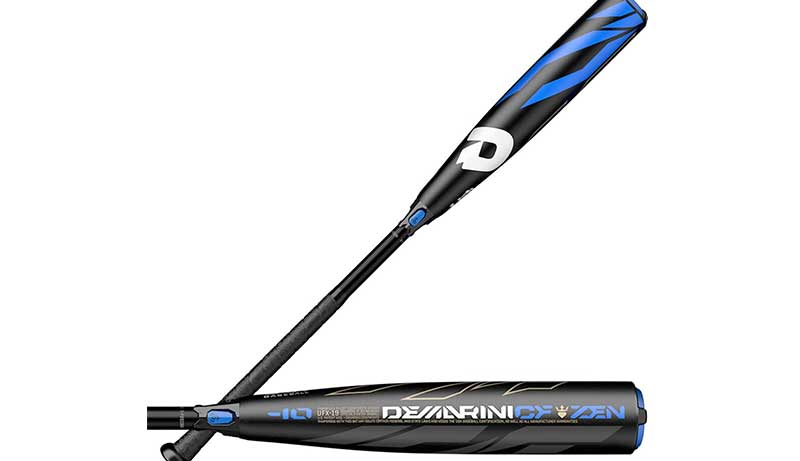
Not as long as the bat is certified. You can use any reputable brand (like Easton, DeMarini, or Rawlings) provided the specific model carries the USA Baseball certification and meets the length, diameter, and drop weight requirements.
What happens if an illegal bat is used in a game?
The umpire will detect the bat during the pre-game inspection or if challenged during play. The batter will be called out, and the team may be warned. Repeated violations can lead to ejection of the coach or forfeiture of the game. It is always better to check the bat before the team steps onto the field.
Are composite bats better than aluminum?
"Better" is subjective. Composite bats often have a larger sweet spot and less vibration, which can help young hitters feel more confidence. However, they can break if used in cold temperatures and often retain performance characteristics that require careful adherence to the rules. Aluminum bats are durable, consistent across temperatures, and generally less expensive. Both are legal as long as they are USABat certified.
Ultimately, the rules surrounding Little League baseball bats are designed to level the playing field. By sticking to certified equipment, you ensure that the game is won by skill and practice, not by the specs of the aluminum in a player's hands. Check the stamps, measure the length, and let the kids play.