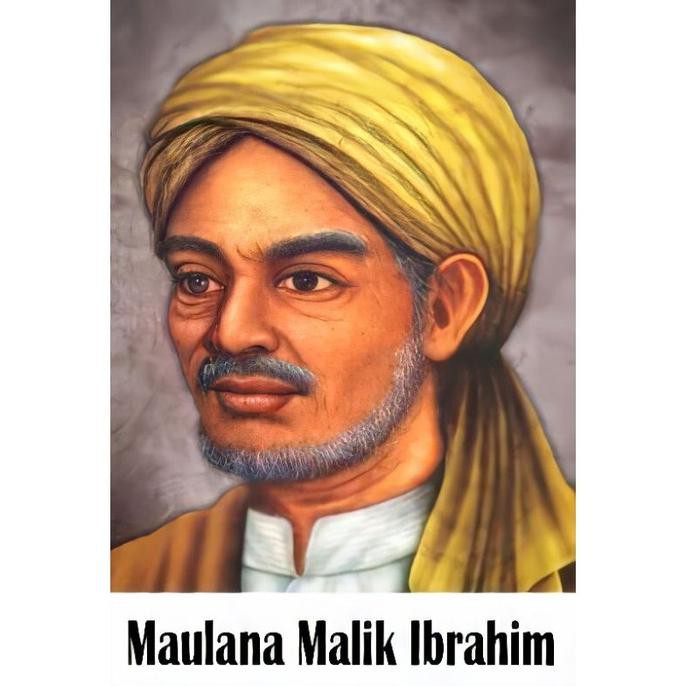
Living Teladan Maulana Malik Ibrahim in Daily Life
When we talk about the history of Islam in Indonesia, one name stands out with a quiet, enduring weight: Maulana Malik Ibrahim. He wasn’t just a religious figure; he was a cultural bridge. His life offers more than historical trivia. It provides a living template for how to integrate faith, community, and daily action without forcing ideology down anyone’s throat. Teladan Maulana Malik Ibrahim is not about rigid ritualism. It is about a specific kind of soft power, a method of influence that relies on dignity, service, and intellectual curiosity.
Many people view historical figures as distant statues. We memorize their dates and locations, then file them away. But if we look closer at the approach Malik Ibrahim took in Eastern Java, we find practices that are strikingly relevant today. We live in an era of loud opinions, digital polarization, and rapid cultural shifts. The "quiet tradition" of the early missionary monks, or *wali*, feels like a necessary corrective. How do we implement their spirit without getting lost in the weeds of medieval history? That is where the real work begins.
The Philosophy of Soft Power
The first thing you notice about Malik Ibrahim’s approach is the absence of coercion. He did not arrive with armies to enforce religious law. Instead, he arrived with medicine, trade knowledge, and respect. This is what sociologists call "soft power," but in ethical terms, it is simply good neighborliness. He understood that trust is the precursor to transformation. People do not adopt new belief systems because they are forced to. They adopt them because they see value, dignity, and peace in the messenger.
In our daily lives, this translates to how we communicate. Do we lead with judgment or with understanding? When we encounter a colleague, a family member, or a stranger holding a different view, do we immediately try to "win" the argument? Malik Ibrahim’s method suggests otherwise. He spent time learning the local culture before introducing his own. He respected the existing social fabric. This requires patience, a virtue that is often scarce in the modern age of instant reactions.
Building Bridges, Not Walls
Consider the dynamics of your own workplace or community. Conflict often arises from a lack of genuine engagement. We assume we know who others are based on labels rather than experience. Implementing this aspect of his legacy means actively seeking to understand the "language" of those around us. This isn't just about linguistics. It’s about cultural competence. It means listening more than we speak, especially when we don’t agree. It means recognizing that credibility is earned through consistent, positive action, not through loud proclamations.
Service as Spiritual Practice
One of the most misunderstood aspects of religious devotion is the idea that it is purely an internal, private matter. Malik Ibrahim’s life argues the opposite. For him, spiritual integrity was demonstrated through service. He is famously associated with healing. He tended to the sick, not just physically, but socially. He addressed the immediate needs of the people. This holistic approach meant that faith was not separate from daily survival; it was woven into it.
How can we apply this? It starts with redefining what we consider "productive" use of time. Often, we equate productivity with economic output or career advancement. But Malik Ibrahim’s model invites us to measure our worth by our utility to others. This looks simple in theory but requires a shift in priorities. It means volunteering, helping a neighbor, or simply being present for someone in crisis without expecting a reward. It is the practice of khidmat, or service, as a core spiritual discipline.
- Prioritize empathy: Listen to understand, not to reply. Validate others' experiences before offering solutions.
- Offer tangible help: Move beyond good intentions. If you see a need, act on it. Small acts of kindness build community resilience.
- Respect local context: Adapt your approach to the people you are interacting with. Do not impose your methods universally.
The Integration of Knowledge and Action
Malik Ibrahim was also a scholar. He was well-read and intellectually rigorous. Yet, he did not hoard his knowledge. He shared it in accessible ways. This highlights another critical point: knowledge without application is sterile. True wisdom is demonstrated in behavior. We often confuse being right with being wise. Being right is about facts. Being wise is about how you embody those facts in a way that uplifts others. This integration prevents the arrogance that often plagues educated or knowledgeable individuals. It keeps us grounded.
Legacy in the Modern World
So, what does this ancient model look like in the 21st century? It looks like a professional who mentors junior staff without expecting credit. It looks like a community leader who mediates disputes with fairness rather than bias. It looks like an individual who treats every interaction as an opportunity to demonstrate respect and compassion. The Teladan Maulana Malik Ibrahim is not a set of rules to memorize. It is a mindset to cultivate.
We often struggle with the tension between preserving tradition and adapting to modernity. Malik Ibrahim’s life shows that these are not mutually exclusive. He respected the traditions of the Javanese people while introducing Islamic values. He found common ground. This balance is essential today. We can hold onto our core values while remaining flexible in our methods. We can be rooted in our identity while being open to the world. This requires humility, a willingness to learn, and a commitment to the common good.
Faith and Inclusivity
Perhaps the most challenging aspect of implementing this legacy is the commitment to inclusivity. In a time of rising tribalism, Malik Ibrahim’s approach of engaging with all people regardless of their background is radical. It challenges us to expand our circle of concern. It asks us to see the divine spark in everyone, even those who are different from us. This is not about abandoning our beliefs. It is about expressing them in a way that includes rather than excludes. It is about building a society where diversity is seen as a strength, not a threat.
Conclusion
The life of Maulana Malik Ibrahim is a reminder that true influence is quiet. It is built on trust, service, and respect. It does not shout. It demonstrates. As we navigate our complex modern lives, we can look to this historical figure for guidance. We can choose to be builders of bridges, servants of our communities, and humble learners. These are not just historical virtues. They are practical tools for living a meaningful, impactful life today. The legacy is not just in the past. It is waiting for us to pick it up and continue the work.
FAQ
Who was Maulana Malik Ibrahim?
Maulana Malik Ibrahim was a 15th-century Islamic missionary, one of the original Wali Songo (Nine Saints) of Java. He is widely credited with being the first to bring Islam to Eastern Indonesia, specifically Java, through peaceful means of trade, healing, and teaching.
What is the core message of his life?
His core message revolves around "soft power" and service. He emphasized gaining trust through helpfulness, medical aid, and respectful engagement with local cultures, rather than through force or coercion.
How can I apply his teachings today?
You can apply his teachings by prioritizing empathy in communication, offering tangible help to those in need, and respecting the cultural and personal boundaries of others. Focus on building trust through consistent, positive actions rather than words.
Why is he called "Malik Ibrahim" instead of just "Ibrahim"?
The title "Malik" suggests royalty or nobility, but in this context, it is often interpreted as a title of high respect and spiritual authority, reflecting his noble character and influential status among the Javanese aristocracy and common people alike.