Mapping the Top 50 U.S. Universities in Today’s Rankings
Every year, prospective students, parents, and educators turn to national rankings to gauge where the nation’s elite institutions stand. The latest surveys from sources such as U.S. News & World Report, Times Higher Education, and the Wall Street Journal/Times Higher Education partnership place fifty colleges and universities at the apex of American higher‑education. This article walks you through how those schools are distributed across the country, what factors drive their positions, and why a map can be more insightful than a simple list.
What Goes Into a University Ranking?
Before the numbers on a map make sense, it helps to know the metrics behind the scores. Most major rankings blend several categories:
- Academic reputation – surveys of scholars and employers.
- Student outcomes – graduation rates, post‑graduation earnings, and graduate school placement.
- Faculty resources – class size, faculty‑to‑student ratio, and research funding.
- Financial health – endowment size, tuition‑aid balance, and spending per student.
- Student selectivity – SAT/ACT scores, high‑school GPA, and acceptance rate.
Each ranking body weights these pillars differently, which explains why the same institution can appear at slightly different spots on separate lists. The “top 50” we map here reflects a consensus average, smoothing out those variations.
Geographic Spread of the Elite
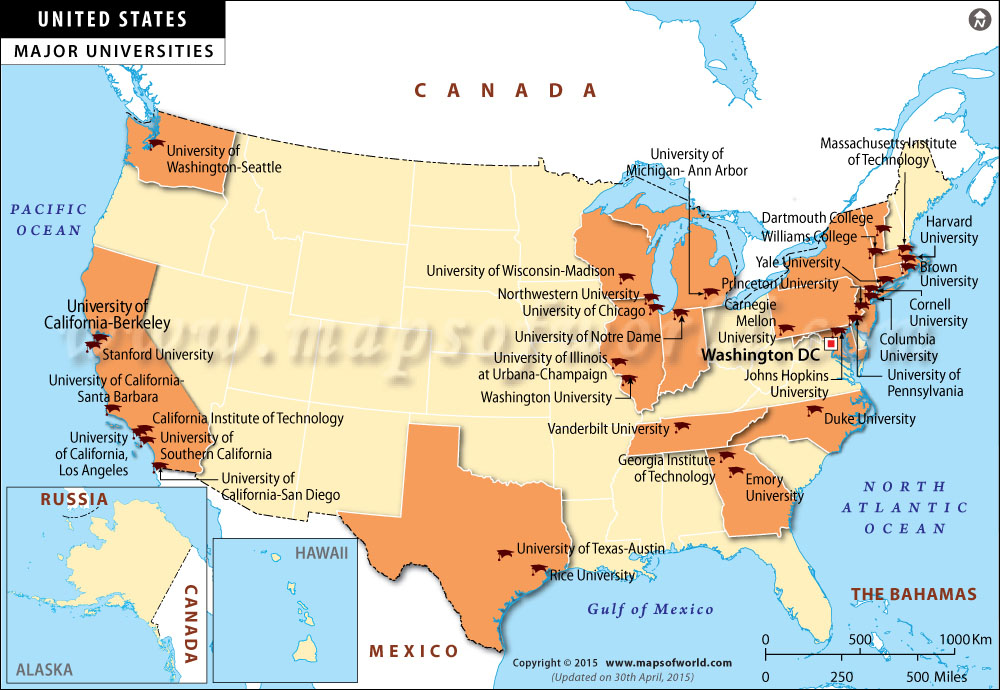
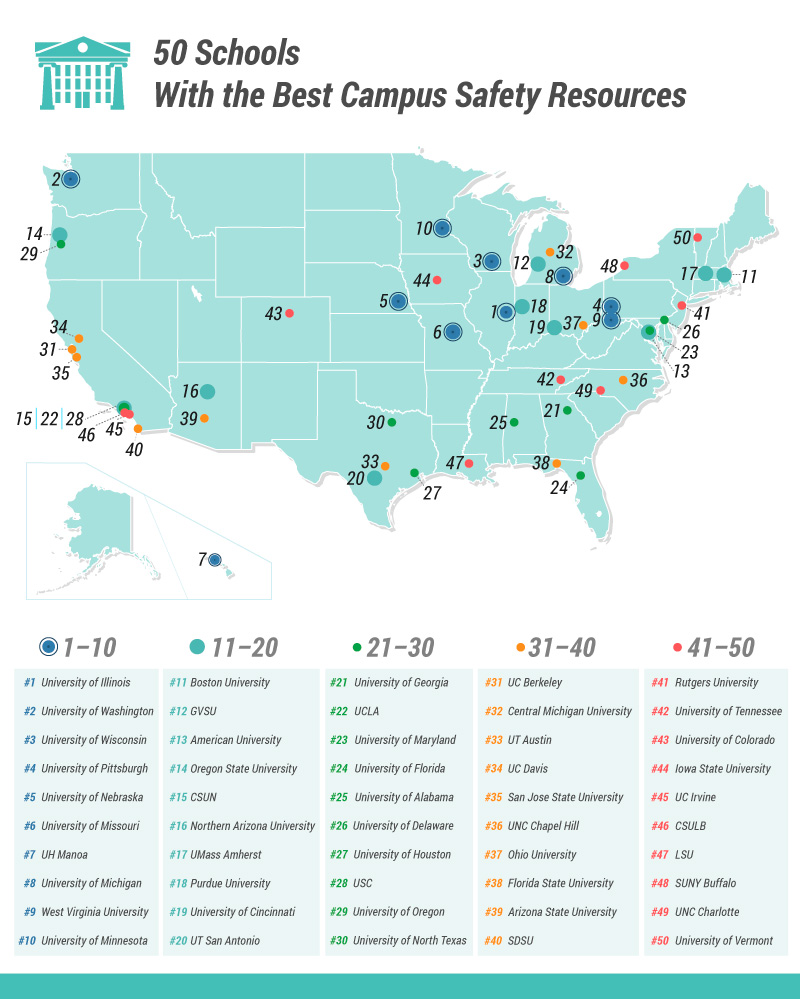
When you plot the fifty schools on a U.S. map, a clear concentration emerges along the East Coast and the West Coast. The Northeast hosts roughly one‑third of the elite institutions, anchored by the Ivy League—Harvard, Yale, Princeton, and Columbia—alongside MIT, Brown, and Dartmouth. Out west, California claims a hefty slice with Stanford, Caltech, UCLA, UC Berkeley, and several private powerhouses.
Mid‑west representation is smaller but still significant: the University of Chicago, Northwestern, and the University of Michigan round out the region’s presence. The South contributes a handful of heavy hitters—Duke, Vanderbilt, and Rice—while the Mountain West is represented mainly by the University of Colorado and the University of Utah.
Regional Highlights
- Northeast: 18 schools, many with historic endowments and research budgets.
- West Coast: 12 schools, a mix of tech‑centric private universities and top public research institutions.
- Midwest: 9 schools, strong in engineering, business, and liberal arts.
- South: 7 schools, often noted for strong health‑science programs.
- Mountain: 4 schools, emphasizing environmental and aerospace research.
This spatial pattern isn’t random; it mirrors where research funding, industry partnerships, and historic academic hubs have developed over the past century.
Why Location Still Matters
Beyond prestige, the physical setting of a university can shape a student’s experience. Urban campuses—think Columbia in Manhattan or USC in Los Angeles—offer abundant internships, cultural venues, and networking events. Rural or suburban schools such as Dartmouth or Stanford provide expansive green spaces and a tighter campus community.
Climate, cost of living, and proximity to specific industries also play a role. A tech‑savvy student may gravitate toward the Bay Area’s cluster of startups, while someone eyeing a career in finance might prefer the Northeast corridor’s dense network of banks and hedge funds.
Beyond the Numbers: Choosing the Right Fit
Rankings give a snapshot, but they don’t capture everything that matters to an individual. Here are a few considerations that often slip past the tables:
- Campus culture: Student activism, Greek life, or a focus on entrepreneurship can dramatically affect daily life.
- Program strength: A university ranked 30th overall might house a top‑10 engineering school.
- Financial aid policies: Some schools meet 100 % of demonstrated need, effectively lowering the price tag.
- Alumni network: The real‑world value of connections often outweighs a marginal rank difference.
In short, use the map as a starting point, then dive deeper into the specific programs and environments that align with your goals.
Quick Reference: Top 10 by Region
Below is a concise look at the highest‑ranked institution in each major U.S. region, giving you a sense of where the “best of the best” sit on the map.
- Northeast: Harvard University (Cambridge, MA)
- West Coast: Stanford University (Stanford, CA)
- Midwest: University of Chicago (Chicago, IL)
- South: Duke University (Durham, NC)
- Mountain: University of Colorado Boulder (Boulder, CO)
Each of these schools also appears within the broader top‑50 consensus, underscoring their nationwide influence.
Frequently Asked Questions
Do the rankings change dramatically year over year?
Only modest shifts occur for most schools; dramatic jumps are rare and usually stem from major policy changes, new research breakthroughs, or revised ranking methodologies.
Is a high ranking synonymous with a better student experience?
Not necessarily. While rankings capture academic resources, they don’t measure factors like campus climate, personal support services, or the fit between a student’s interests and a school’s culture.
Can I rely on a single ranking source?
It’s wiser to look at several lists side by side. A consensus approach—averaging multiple rankings—helps smooth out biases inherent to any one methodology.
How can I see the visual map of these schools?
Many ranking websites provide interactive maps; you can also generate a custom map using tools like Google My Maps by plotting the fifty institutions listed in this article.