Margin Vs. Free Margin: What’s The Difference?
When you start dabbling in forex or CFD trading, the terms margin and free margin pop up faster than a market swing. They sound similar, yet they govern very different aspects of your account’s health. Let’s untangle the jargon so you can see exactly what each one means and why it matters.
Understanding Margin Basics
Think of margin as a security deposit you put down to open a leveraged position. It isn’t a fee; it’s simply a portion of your account balance that the broker holds as collateral against potential losses.
For example, if a broker offers 1:100 leverage, you only need 1 % of the trade’s notional value as margin. That 1 % sits in your account, earmarked for that specific position.
- Initial margin – the amount required to open the trade.
- Maintenance margin – the minimum equity you must keep to avoid a margin call.
Both figures are set by the broker, based on the instrument and the leverage you choose.
What Is Free Margin?
If margin is the locked portion, free margin is the money that’s still free to move.
In plain terms, free margin equals your account equity minus the sum of all used margins. It’s the cushion you can draw on to open new positions or absorb drawdowns.
Formulaically: Free Margin = Equity – Used Margin. When a trade starts making profit, free margin swells; when it loses, it shrinks.
Key Differences Between Margin and Free Margin
While the two are linked, they serve distinct purposes:
- Function – Margin secures a single position; free margin reflects overall account capacity.
- Visibility – Most platforms display margin per trade, but free margin appears as a single figure in the account summary.
- Impact on Trading – Margin dictates whether a trade can be opened; free margin determines how many trades you can stack.
In practice, a high used margin will compress your free margin, limiting future opportunities.
How They Affect Your Trading
Imagine you have $10,000 in equity. You open a $100,000 position with 1:100 leverage, requiring $1,000 margin. Your used margin is now $1,000, leaving $9,000 as free margin.
If the market moves against you and your position loses $800, your equity drops to $9,200. The used margin stays at $1,000, so free margin becomes $8,200. That shrinking buffer may trigger a margin call if it falls below the maintenance level.
Conversely, a profitable trade adds to equity, boosting free margin and giving you wiggle room for additional positions.
Margin Call and Stop‑Out
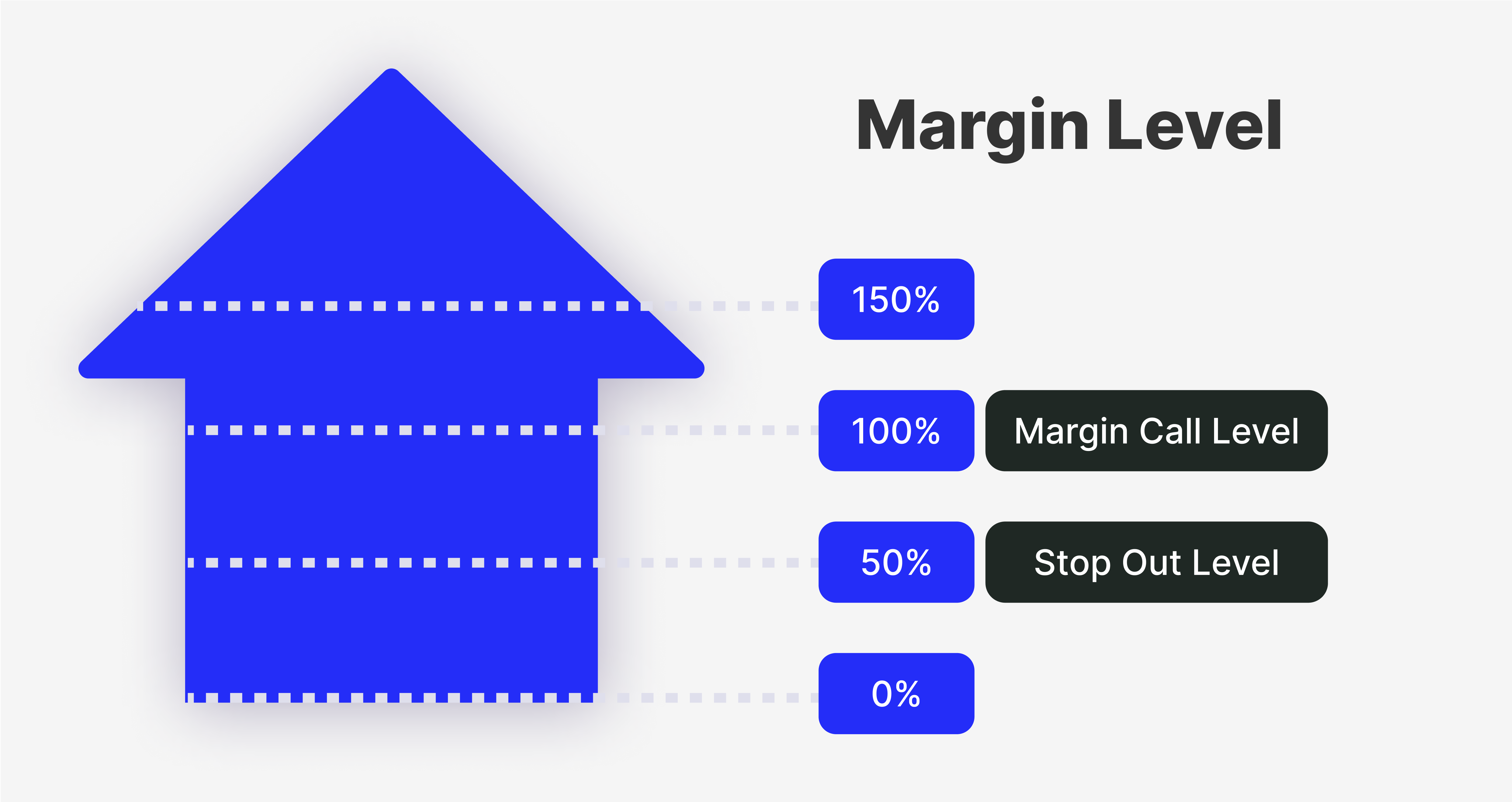
When free margin dips below the broker’s maintenance margin, a margin call alerts you to add funds or close positions. If it drops further to the stop‑out level, the broker automatically closes positions to protect both sides.
Practical Tips for Managing Margin
Keeping a healthy free margin isn’t magic; it’s disciplined planning.
- Don’t max out leverage. Using lower leverage reduces the portion of your equity tied up as margin.
- Monitor free margin regularly. A quick glance at your dashboard can warn you before a call.
- Set stop‑loss orders. They limit potential losses, preserving free margin.
- Allocate risk per trade. Many traders risk only 1‑2 % of equity on any single position.
By treating margin as a budget line and free margin as your remaining cash, you’ll avoid the nasty surprise of a forced liquidation.
So, the next time your broker’s platform shows those two numbers, you’ll know that margin is the locked portion securing a trade, while free margin is the breathing space you still have. Understanding the dance between them is the first step toward smarter, less stressful trading.