Masala: A Culinary Journey Through Spice
To the uninitiated, the word masala might just be another synonym for "spice" or a generic descriptor for anything hot and flavorful from South Asia. But to those who live and breathe Indian cooking, it is so much more than a single ingredient. It is a philosophy, a technique, and a complex layering of flavors that defines an entire culinary continent. When you truly understand masala, you stop seeing spices as individual components and start seeing them as a symphony waiting to be conducted.
The beauty of masala lies in its versatility. It isn't a fixed recipe. It is a concept. One masala can mean a simple pinch of cumin seeds tempered in oil to release their nutty aroma. It can also refer to a profoundly intricate blend of twenty different powders, dried flowers, and roots, ground into a paste that simmers for hours to create a curry that changes your palate forever. This duality is what makes mastering masala both intimidating and incredibly rewarding for home cooks.
The Anatomy of a Blend
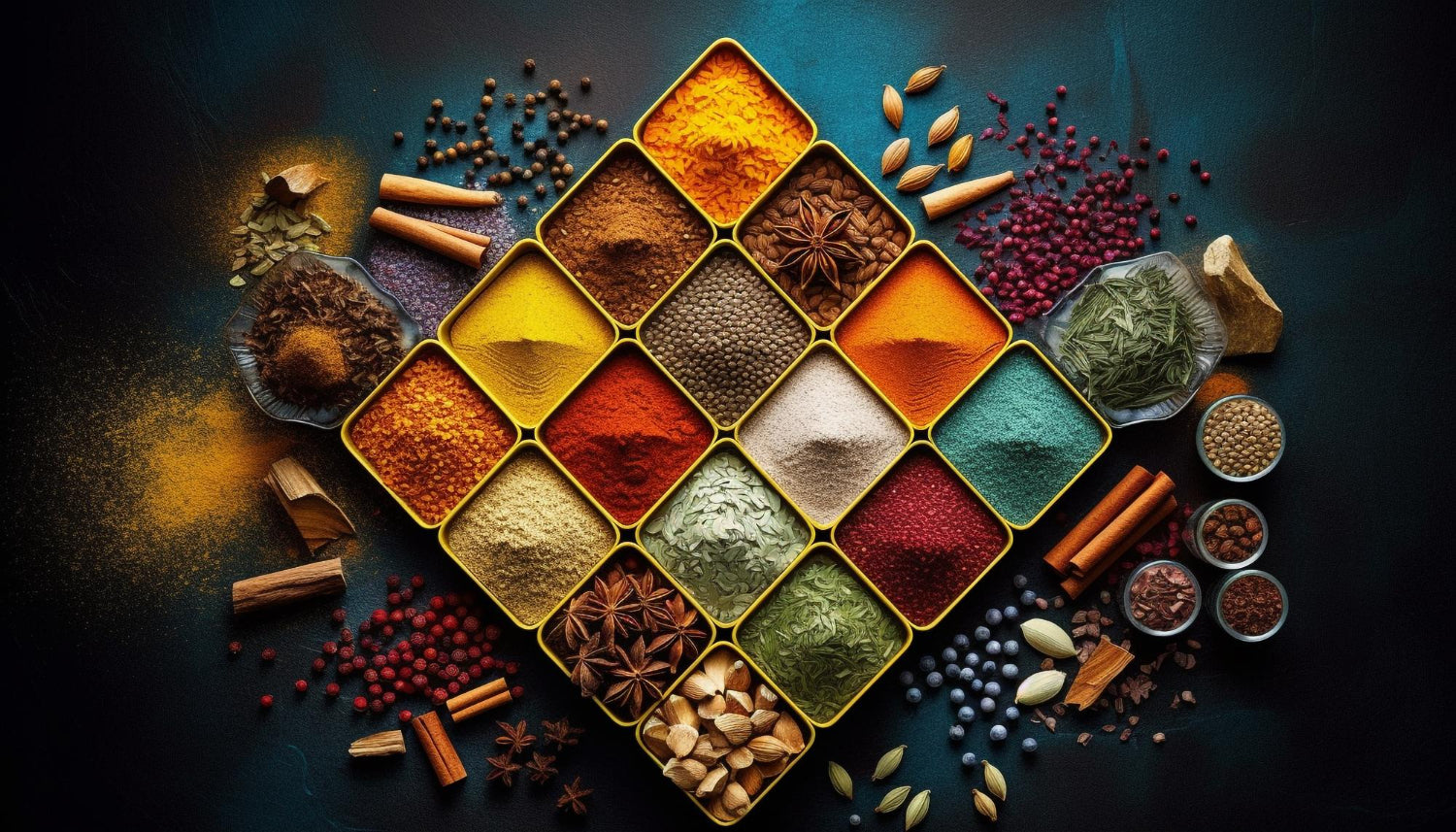
At its core, a good masala is built on balance. It is not merely about heat; it is about the interplay between savory, sweet, sour, bitter, and pungent notes. Most traditional masalas rely on a base of earthy spices. Think of coriander seed, which provides a citrusy, lemony foundation, or cumin, which adds that distinctive earthy depth. These are the workhorses of Indian kitchens. Without them, the other spices have nowhere to anchor themselves.
Then come the character notes. Turmeric brings color and a subtle bitterness that grounds the dish. Mustard seeds offer a sharp, popping pungency when they hit hot oil. Fenugreek, used sparingly, adds a maple syrup-like bitterness that is crucial for snacks like chutneys and pickles. The art of making masala is knowing how much of each to use so that no single note overpowers the rest. It is akin to mixing paints; you want the final hue to be rich, not muddy.
T Whole vs. Ground: The Texture of Flavor
One of the most common mistakes beginners make is treating all spices interchangeably. They might reach for pre-ground powder when the recipe calls for whole seeds, or vice versa. This misunderstanding misses the point of texture and release timing. Whole spices retain their volatile oils longer. When you throw whole cardamom pods or star anise into hot ghee, you are extracting a delicate, aromatic essence that infuses the fat itself. This is known as baghaar or tempering.
Ground masalas, on the other hand, provide immediate intensity and color. When you add a powdered masala blend like garam masala or a curry powder, you are adding the bulk of the flavor profile. The key is the order of operations. You temper the whole spices first to build the aromatic base, then sauté onions and ginger-garlic paste to create the body, and finally, add the ground spice blends to cook out any raw, metallic taste. This sequence ensures the flavors meld rather than fight each other.
Garam Masala Is Not Just "Heat"
Perhaps the biggest misconception in Western kitchens revolves around garam masala. The word translates to "warm spice mix," not "hot spice mix." It is rarely meant to provide chili heat. Instead, it is a finishing spice, added near the end of the cooking process to enhance the aroma without breaking down the delicate essential oils. A classic Northern Indian garam masala might feature cardamom, cinnamon, cloves, and black pepper. It is sweet, woody, and complex.
In contrast, a South Indian masala might be entirely different. Here, you might find more reliance on mustard seeds, curry leaves, and dried red chilies, creating a profile that is sharper, zestier, and often less sweet. To treat garam masala as a universal curry powder is to miss the regional nuances that make Indian cuisine so diverse. It is important to store these blends properly, too. Pre-ground masalas lose their potency rapidly. Once the aromatic oils evaporate, you are just adding dusty color to your food. Freshly grinding your spices when possible makes a night-and-day difference in the final dish.
The Ritual of Grinding
There is a therapeutic quality to making your own masala. In traditional households, the mortar and pestle are sacred tools. The rhythmic pounding releases the oils in a way that electric blenders sometimes struggle to replicate. Even if you use a small spice grinder, the act of combining dry spices, toasting them lightly to wake up their aromas, and processing them into a powder connects you to centuries of culinary tradition. It transforms cooking from a chore into a ritual.
Experimentation is encouraged. While classic blends like Pav Bhaji masala or Chana Masala spice mix have standard formulas, they are guidelines, not laws. Adding a pinch of roasted cumin to a basic yogurt marinade can elevate it. Sprinkling a bit of smoked paprika alongside your traditional masala can bridge the gap between Indian and global flavor profiles. The goal is to trust your nose. If it smells right, it likely tastes right.
Frequently Asked Questions
- Why does my store-bought masala taste flat? Pre-ground spices lose their aromatic oils quickly. Once opened, they have a shelf life of only about two to three months if stored in a cool, dark place. For vibrant flavor, buy whole seeds and grind them in small batches as needed.
- Can I substitute one masala for another? Generally, no. Masalas are region-specific and dish-specific. Garam masala is a finishing spice, while a curry powder is often cooked into the base. Substituting them can result in a dish that is either too raw-tasting or lacks the necessary aromatic finish.
- Do I need to dry roast my spices? It is highly recommended. Dry roasting whole spices for a minute or two before grinding removes any residual moisture and unlocks deep, toasted flavors that raw spices do not possess. Just watch them closely, as they burn easily.
Ultimately, exploring masala is an exploration of patience and perception. It teaches you to listen to the sizzle of the oil, to smell the shift from raw onion to translucent sweetness, and to taste the subtle layers of spice building in the pot. It is not just about adding ingredients; it is about creating an experience. So the next time you see a jar labeled masala, remember: it is not just a spice. It is an invitation to cook with depth, history, and soul.