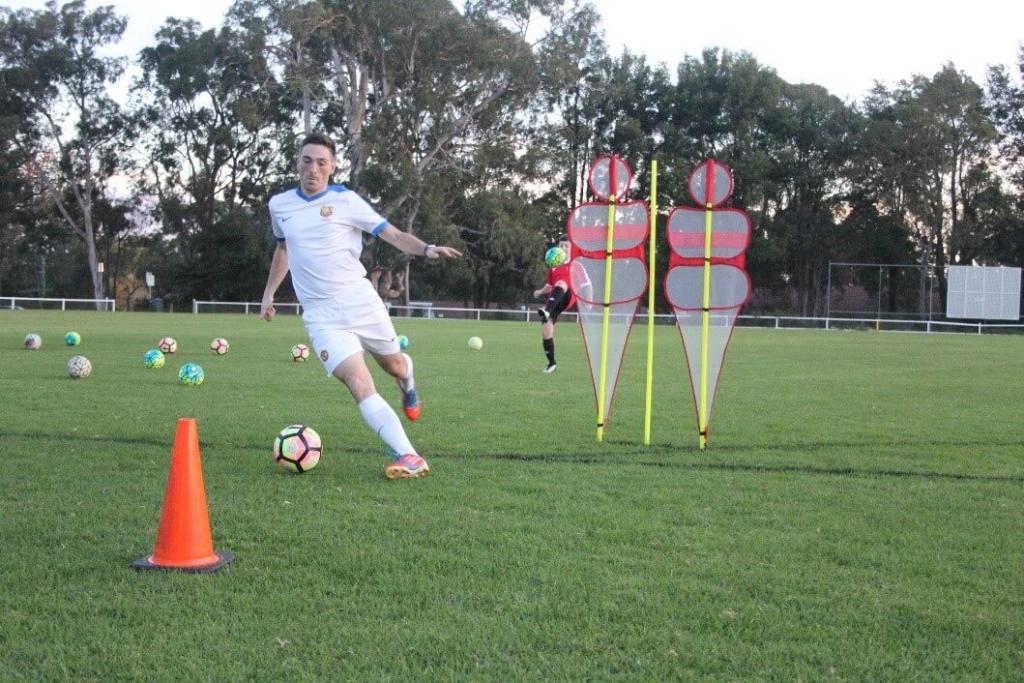
Master the Art of Scoring: Steps to Become a Top Football Striker
Dreaming of stepping into the box and finishing with poise? Becoming a successful football striker isn’t just about raw talent; it’s a blend of technique, fitness, game sense, and confidence. Below you’ll find a roadmap that covers the essential habits and training methods that separate the occasional goal‑getter from the consistent match‑winner.
Develop the Technical Foundations
First and foremost, a striker must feel comfortable with the ball at their feet. Mastering first‑touch control inside tight spaces lets you create shooting opportunities before the defense can close in.
- One‑touch finishing: Practice receiving a pass and firing a shot in a single motion to improve reaction speed.
- Weak‑foot shooting: Allocate at least 20 % of your practice time to the non‑dominant foot; defenders rarely give you a choice.
- Heading technique: Work on timing your jump and directing the ball with the forehead to add aerial threat.
Consistent repetition builds muscle memory, allowing you to execute these skills under pressure without overthinking.
Build Physical Attributes That Pay Off
Strikers need a mix of explosive speed, agility, and endurance. While you don’t have to be the fastest player on the pitch, being able to out‑pace a defender for a few crucial yards can be the difference between a goal and a missed chance.
- High‑intensity interval training (HIIT) – 2‑3 sessions per week to boost sprint capacity.
- Plyometric drills – box jumps, bounding, and single‑leg hops for explosive power.
- Core stability work – planks, Russian twists, and medicine‑ball throws to improve balance when shielding the ball.
Remember to pair hard work with proper recovery; muscle fatigue can lead to sloppy finishes.
Sharpen Your Tactical Understanding
Even the sharpest finisher will struggle if they can’t read the game. A successful striker learns when to drop deep, when to stretch the defense, and how to exploit the space behind the back line.
- Study movement patterns: Watch elite forwards in action and note how they time their runs relative to the ball.
- Work with a coach on positioning: Simulate various defensive setups in training and practice adjusting your angle of attack.
- Learn to link up: Developing quick one‑two passes with midfielders can open corridors that a solo striker might miss.
These mental drills help you anticipate passes rather than react to them.
Cultivate the Right Mental Edge
Confidence is a striker’s invisible weapon. The ability to stay composed after a missed chance, or to rebound from a heavy defeat, often defines a player’s longevity.
- Visualization – spend a few minutes each day picturing yourself scoring from different angles.
- Goal‑setting – break the season into short, measurable targets (e.g., “create three clear‑cut chances per game”).
- Positive self‑talk – replace thoughts like “I’m not good enough” with “I’ve prepared for this moment.”
Mentally rehearsing success reduces anxiety when the moment arrives.
Design a Personal Development Plan
All the advice above is only effective when organized into a clear schedule. Draft a weekly plan that allocates specific time blocks for technical drills, strength work, tactical review, and mental preparation.
- Monday: Technical drills + video analysis of last match.
- Wednesday: HIIT + plyometrics.
- Friday: Small‑sided games focusing on movement and finishing.
- Saturday: Recovery, stretching, and visualization.
Track your progress with a simple journal – note what worked, what felt awkward, and how many goals you scored in practice. Over weeks, patterns will emerge, guiding you toward the next area of focus.
Seek Quality Coaching and Competition
No striker evolves in isolation. Regular feedback from a knowledgeable coach pinpoints blind spots that you might overlook. Similarly, testing yourself against higher‑level opponents forces you to adapt and refine your skills faster.
If you’re playing at an amateur level, consider joining a semi‑professional training camp or arranging friendly matches with teams from a higher division. The challenge will highlight both strengths to exploit and weaknesses to fix.
Maintain a Balanced Lifestyle
Nutrition, sleep, and mental downtime are often underestimated by aspiring forwards. A balanced diet rich in lean protein, complex carbs, and healthy fats fuels intense training sessions and aids recovery.
Aim for 7‑9 hours of quality sleep each night; growth hormone spikes during deep sleep are crucial for muscle repair. Finally, give your mind a break – hobbies unrelated to football can prevent burnout and keep your creativity alive on the pitch.
Frequently Asked Questions
What age is ideal to start specializing as a striker?
While basic ball skills should begin early, most coaches suggest focusing on a specific position around ages 12‑14. This allows enough time to develop overall technique before honing the nuanced movements of a forward.
How many shots should I attempt in a training session?
Quality beats quantity, but a common benchmark is 30‑40 purposeful shots per session, each taken from a different angle or distance. Adjust the number based on fatigue levels and the specific drill’s intensity.
Can a striker succeed without being the fastest player?
Absolutely. Many elite forwards compensate with superior positioning, strength, and finishing technique. Speed is a tool, not a prerequisite; understanding when to use it is what matters most.