Mastering iOS C++ Memory Management: A Developer’s Guide
Using C++ on iOS can feel like walking a tightrope without a net. Apple’s ecosystem is built on Swift and Objective-C, languages that handle memory with sophisticated Automatic Reference Counting (ARC). When you introduce raw C++ code, that safety net disappears. You are suddenly responsible for every byte. It is not necessarily harder, but it demands a shift in mindset. If you treat C++ objects exactly like Swift classes, your app will crash. Here is how to navigate the chaos without segfaulting into oblivion.
Why Bother With C++ at All?
Before diving into pointers, you have to ask why you are doing this. Most modern apps don’t need it. But when you do, it is usually for performance-critical code. Think image processing, audio synthesis, or complex game physics. These tasks demand speed that high-level abstractions sometimes choke on. C++ gives you that raw horsepower. However, that power comes with a tax: memory management. In Swift, the compiler inserts retain and release calls for you. In C++, you are the compiler’s hands. You hold the wrench. You turn the bolts. If you forget to turn them, the engine blows.
The Core Problem: Ownership
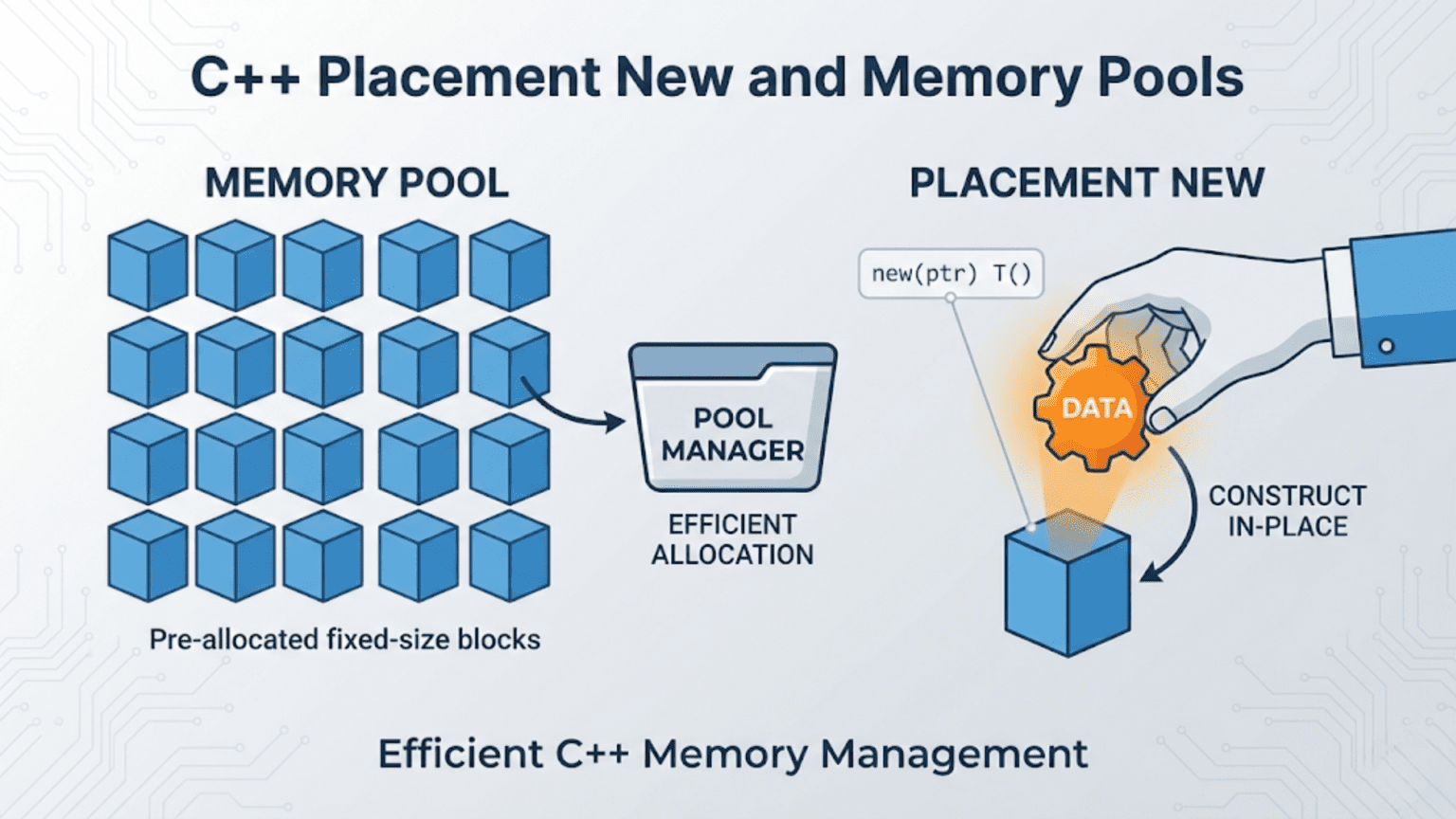
The biggest misconception among iOS developers moving to C++ is assuming that creating an object is enough. In many languages, the garbage collector watches your back. C++ has no garbage collector. When you use `new`, you own the memory. When you are done, you must `delete` it. It sounds simple.