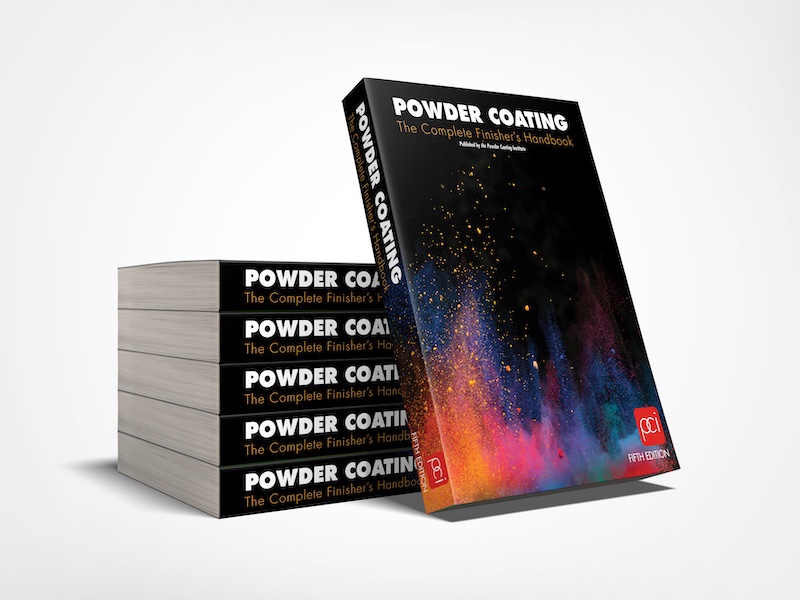
Mastering Powder Coating Technologies: A Complete Guide
When metal parts need a finish that's both durable and aesthetically appealing, powder coating often takes center stage. This guide walks you through the science, the equipment, and the practical choices that define modern powder coating technologies, helping you decide what fits your project best.
What Exactly Is Powder Coating?
At its core, powder coating is a dry finishing process where a powdered resin—typically a blend of polymer, pigment, and additives—is electrostatically applied to a conductive surface. Once the coating adheres, the part enters a curing oven where the powder melts, flows, and chemically cross‑links into a solid, protective film.
Unlike liquid paints, the powder contains no solvents, so the process produces minimal volatile organic compounds (VOCs) and delivers a finish that can be up to 10 times thicker without running or sagging.
Key Technologies Driving Modern Powder Coating
Several innovations have expanded the reach of powder coating beyond traditional automotive and appliance markets. Understanding these technologies helps you gauge performance, cost, and environmental impact.
- Electrostatic Spraying Systems – The classic “gun‑and‑ground” setup uses a high‑voltage electrode to charge the powder particles, which then leap toward the grounded workpiece. Recent advances include corona‑free tribo‑charging, which reduces static buildup and improves coverage on complex geometries.
- Fluidized Bed Coating – Parts are immersed in a bed of fluidized powder, allowing the coating to adhere uniformly even on recessed areas. This method shines for small fasteners and intricate components.
- Infrared (IR) Curing – Instead of heating the entire oven, IR lamps target the coating directly, slashing energy usage and shortening cycle times—ideal for high‑throughput lines.
- Hybrid Powder/Liquid Systems – By blending a thin liquid carrier with powder, manufacturers achieve smoother finishes on substrates that are difficult to charge, such as certain plastics or non‑conductive metals.
Common Types of Powder Coatings
Not all powders are created equal. Selecting the right chemistry influences durability, appearance, and application scope.
- Thermoset Powders – Epoxy, polyester, and hybrid blends dominate the market. They cure through cross‑linking, delivering excellent chemical resistance and impact strength.
- Thermoplastic Powders – These melt and solidify without cross‑linking, offering superior flexibility and easier recycling, though they may lack the high‑temperature resilience of thermosets.
- Metallic and Fluoropolymer Powders – Add fine metal flakes or PTFE particles for unique visual effects or low‑friction surfaces, respectively.
Each type may require specific pre‑treatments—like phosphate conversion coating for better adhesion—or distinct curing temperatures ranging from 180 °C to 220 °C.
Advantages and Limitations to Consider
Powder coating technologies bring several benefits, but they’re not a universal silver bullet.
Pros:
- High film thickness without runs, leading to superior corrosion protection.
- Low VOC emissions, supporting greener manufacturing initiatives.
- Efficient material usage—overspray can be reclaimed and reused.
- Consistent finish across large batches, thanks to controlled curing cycles.
Cons:
- Initial equipment cost can be steep, especially for IR curing or fluidized beds.
- Non‑conductive substrates often need a conductive primer or a hybrid system.
- Color matching is limited to available pigments; custom shades may require longer lead times.
Choosing the Right System for Your Application
Start by mapping the performance demands of your part. Is corrosion resistance the top priority, or do you need a glossy aesthetic? Next, evaluate the geometry: complex shapes with deep cavities benefit from fluidized‑bed or tribo‑charging methods, whereas flat panels are well served by traditional spray guns.
Consider production volume, too. Small‑batch operations might favor a portable spray booth paired with a standard convection oven, while high‑volume lines often invest in automated conveyor ovens and IR curing to keep throughput high.
Finally, factor in regulatory and sustainability goals. If your facility aims for LEED certification, the low‑VOC profile of powder coating—combined with reclaimed overspray—can be a strong selling point.
Emerging Trends Shaping the Future
Even as the core process remains fundamentally the same, several trends are nudging powder coating toward new horizons.
- Nanoparticle‑Enhanced Powders – Adding nano‑scale oxides or graphene improves hardness and scratch resistance without sacrificing flexibility.
- Smart Coatings – Conductive powders integrated with sensors can monitor temperature or strain, opening doors for IoT‑enabled equipment.
- Digital Color Matching – AI‑driven software now predicts how pigment blends will appear after curing, reducing trial‑and‑error cycles.
- Renewable Energy Integration – More manufacturers are pairing curing ovens with solar or waste‑heat recovery systems to cut operational carbon footprints.
FAQ
What is the typical curing time for a powder‑coated part?
Generally, curing lasts 10–20 minutes at the recommended temperature, though high‑speed IR systems can finish a cycle in under 5 minutes.
Can powder coating be applied to aluminum?
Yes—aluminum usually receives a pretreatment such as anodizing or a conversion coating to enhance adhesion before the powder is sprayed.
Is it possible to recycle unused powder?
Absolutely. Overspray is collected, filtered, and re‑charged for future runs, making powder coating one of the most material‑efficient finishes available.
How does powder coating compare to traditional liquid paint in terms of cost?
While the upfront equipment cost is higher, the per‑part expense often drops because there’s no solvent waste, less labor for cleanup, and a longer lifespan for the finish.