Mexico City vs. NYC: How Urban Safety Measures Stack Up
When you compare Mexico City vs. NYC, one question that immediately comes to mind is: which city feels safer for residents and visitors? The answer isn’t a simple yes or no. Each metropolis has its own set of challenges and strengths when it comes to urban safety. This article breaks down the key factors—crime rates, policing, public transit, neighborhood dynamics, and community initiatives—to give you a clear picture of how the two cities fare side‑by‑side.
Crime Statistics: Numbers in Context
Crime data is often the first indicator people look at, but raw numbers can be misleading without context. According to the latest municipal reports, Mexico City recorded a homicide rate of roughly 12 per 100,000 residents, whereas New York City’s rate hovered around 3.8 per 100,000. On the surface, the gap is striking. However, the type of crime, reporting practices, and socioeconomic factors differ significantly between the two cities.
Mexico City tends to see higher rates of theft and robbery, especially in crowded markets and public transit hubs. In contrast, New York City’s crime profile leans more toward property crime in low‑income neighborhoods, with violent crimes concentrated in specific boroughs. Both cities have seen a steady decline in overall crime over the past decade, driven by improved policing tactics and technology.
Policing Models: Strategy and Public Trust
Policing philosophies also shape safety perceptions. Mexico City’s Metropolitan Police Department employs a community policing model that includes outreach programs in vulnerable districts. Officers are often paired with local leaders to address specific neighborhood concerns. Yet, limited resources can lead to uneven coverage, especially in sprawling informal settlements.
New York City Police Department, on the other hand, relies on a combination of visible patrols and data‑driven deployment. The use of predictive policing algorithms helps identify hotspots before incidents occur. This approach has been credited with reducing violent crime in high‑risk areas, but it has also sparked debates about surveillance and civil liberties.
Officer‑Citizen Interaction
Both cities are investing in training programs that emphasize de‑escalation and cultural competency. In Mexico City, bilingual officers are becoming more common in tourist areas, while NYC’s “Community Policing Initiative” encourages officers to engage with residents through social media and town‑hall meetings. These efforts aim to rebuild trust—an essential component of urban safety.
Public Transit: The Pulse of the City
Transit safety is a major concern for millions of daily commuters. Mexico City’s Metro system, one of the largest in the world, handles about 2.5 million riders each weekday. Despite modern upgrades—like real‑time tracking and CCTV—isolated incidents of theft and harassment still occur, especially during peak hours.
New York City’s subway, while aging, has a higher frequency of patrols and a dedicated 911 response system. The city has invested in platform screen doors on select lines, significantly reducing accidental falls. Additionally, the MetroCard system now incorporates mobile payment options that lower the risk of fare fraud.
- Mexico City: 2.5 million daily riders, improved CCTV, limited platform safety features.
- New York City: 5 million daily riders, platform doors on 8 lines, real‑time emergency response.
Neighborhood Dynamics: The Invisible Safety Layer
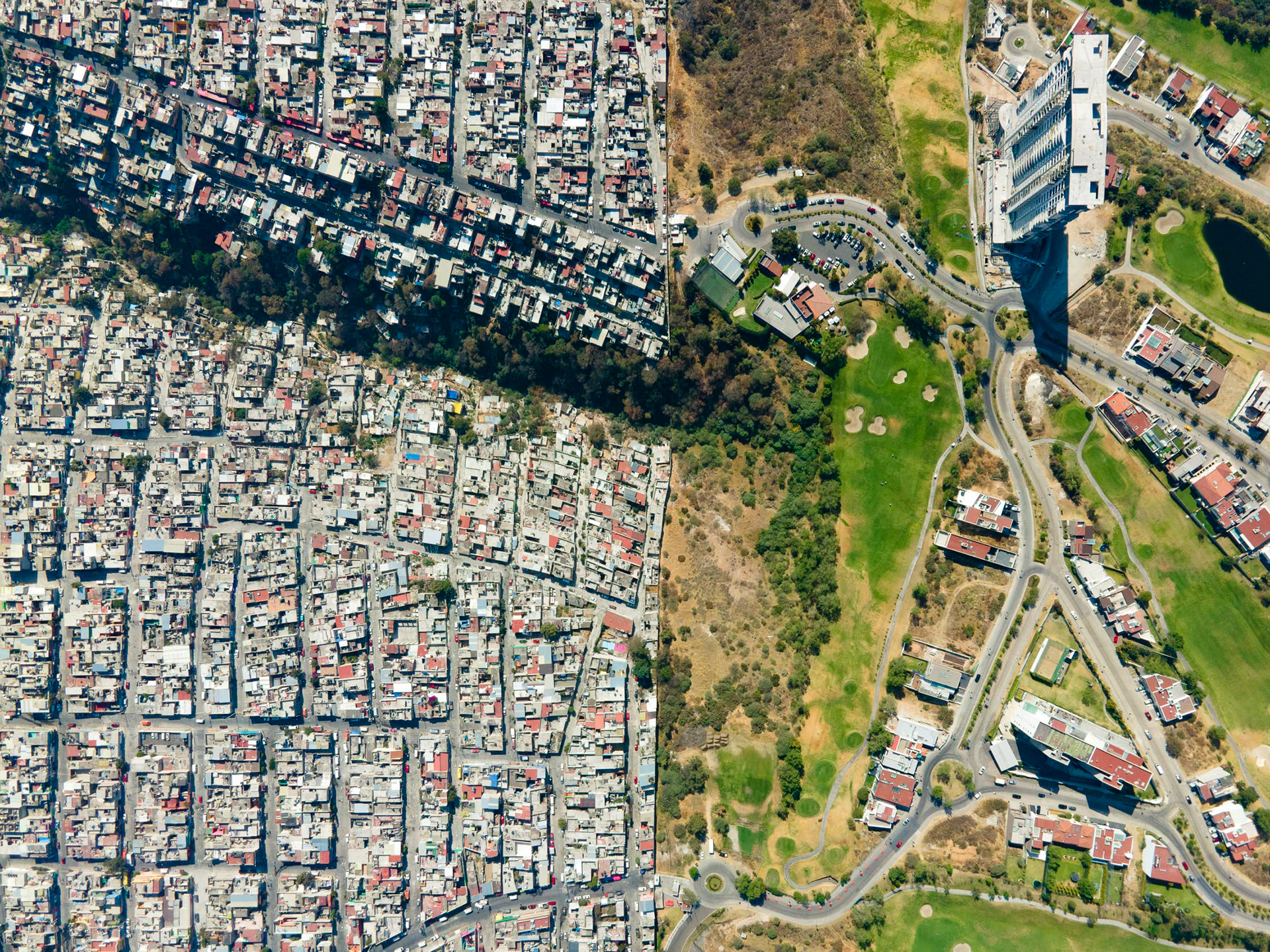
Urban safety is influenced not only by official measures but also by neighborhood character. In Mexico City, districts like Polanco and Santa Fe are known for high-end retail and robust security teams, while areas such as Tepito are renowned for vibrant street markets but also for occasional pickpocketing.
In New York City, neighborhoods like Williamsburg and Brooklyn Heights have seen significant gentrification, attracting upscale businesses and tighter community watch groups. Conversely, parts of the Bronx and certain areas of Brooklyn still struggle with poverty‑linked crime, despite active neighborhood watch programs.
Both cities demonstrate that safety can vary dramatically within the same metropolis. Travelers and new residents often choose neighborhoods that align with their comfort level and lifestyle.
Community Initiatives: Grassroots Safety Efforts
Beyond law enforcement, community organizations play a vital role. Mexico City hosts the “Ciclos Seguros” program, which trains local volunteers to patrol bike lanes and help maintain street lighting. In NYC, the “Safe Streets” coalition partners with neighborhood associations to conduct monthly clean‑up drives and install additional street lights.
These grassroots movements not only improve physical safety but also foster a sense of belonging and vigilance among residents, reinforcing formal safety measures.
Technology in Safety: Smart Cities in Action
Both cities are adopting tech solutions to enhance public safety. Mexico City launched a city‑wide emergency response app that connects citizens with police and medical services. The app also crowdsources crime reports, creating a real‑time crime map for commuters.
New York City uses the “NYC Open Data” portal, which provides access to crime statistics, traffic incidents, and emergency services. Police departments also deploy drones in high‑risk areas for surveillance and rapid incident assessment. These innovations are designed to make both cities more resilient and responsive.
Travelers’ Practical Tips: Staying Safe in Both Cities
- Keep valuables out of sight—use zipped backpacks or money belts.
- Use official transit apps for route planning and real‑time alerts.
- Stay aware of your surroundings, especially at night in less crowded areas.
- For tourists: stick to well‑lit streets and reputable taxi services.
- Local residents: engage in neighborhood watch programs and report suspicious activity promptly.
FAQs About Mexico City and NYC Safety
Q: Is Mexico City safer for tourists than New York City?
A: Both cities have tourist-friendly zones that are well-patrolled. Travelers should stay in popular districts and avoid isolated areas after dark.
Q: How do crime rates in Mexico City compare to other Latin American capitals?
A: Mexico City’s homicide rate is moderate compared to cities like Caracas or Guatemala City, which report higher rates. Property crime remains the most common issue.
Q: Does New York City’s police technology reduce crime?
A: Studies suggest that predictive policing and real‑time monitoring lower violent crime in hotspots by up to 10% over a five‑year span.
Q: Which city offers better public transit safety measures?
A: NYC’s platform doors and dedicated emergency response give it an edge for subway safety, though Mexico City’s recent CCTV upgrades have markedly improved ride security.