Microfinance Explained: Your Complete Guide
When you hear “microfinance,” the first image that comes to mind might be a small loan handed out on a village market. In reality, microfinance is a broad ecosystem of financial services tailored for people who live outside the reach of traditional banks. It aims to give entrepreneurs, families, and communities a foothold to grow, save, and protect themselves against shocks. If you’re curious about how it works—or whether it could help you or someone you know—read on.
What Exactly Is Microfinance?
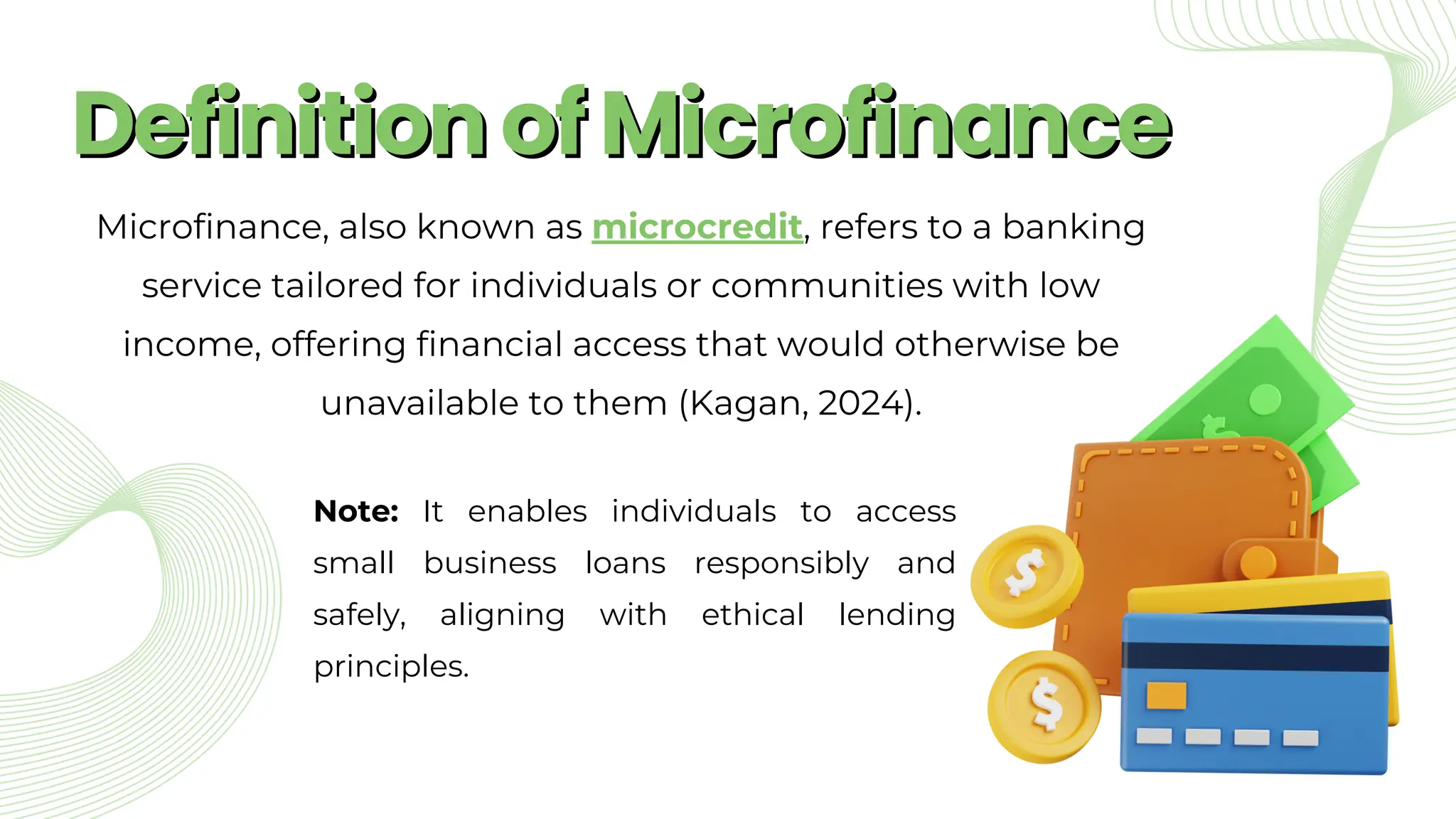
At its core, microfinance provides small‑scale financial products to individuals who lack credit history, collateral, or a formal salary slip. These products mimic what a conventional bank offers—loans, savings accounts, insurance—but are packaged in lower amounts and often with more flexible terms. The idea isn’t just charity; it’s a business model that strives for sustainability while promoting inclusion.
Who Benefits From These Services?
Microfinance primarily targets three groups:
- Women entrepreneurs who run home‑based businesses.
- Rural families that rely on seasonal income.
- Urban informal workers, such as street vendors or gig‑economy freelancers.
Because these groups typically lack the paperwork or credit score required by mainstream lenders, microfinance becomes a lifeline that can turn a modest idea into a steady income stream.
The Core Products in a Microfinance Toolkit
While loans are the most recognizable offering, a well‑rounded microfinance institution (MFI) will also provide:
- Microcredit – tiny loans, often ranging from $50 to $500, to fund inventory, equipment, or training.
- Microsavings – secure, low‑minimum‑balance accounts that encourage regular deposits.
- Microinsurance – affordable policies covering health, crops, or livestock, helping clients bounce back from setbacks.
- Remittance services – cheap, reliable ways for migrant workers to send money home.
How Do Microfinance Institutions Operate?
MFIs come in many guises: non‑profits, cooperatives, specialized banks, and increasingly, fintech startups. Most share a common workflow:
- Outreach – field agents meet potential clients, often in community gatherings.
- Group lending – borrowers form small groups that co‑guarantee each other’s loans, reducing default risk.
- Disbursement & repayment – funds are transferred via cash, mobile money, or bank cards; repayments are collected weekly or monthly.
- Capacity building – many MFIs provide training on business planning, financial literacy, or digital tools.
Why Do Micro‑Loans Often Carry Higher Interest Rates?
It can feel counterintuitive to pay more for a smaller loan, but the numbers reflect the cost of serving dispersed, low‑balance clients. Field agents travel long distances, process many tiny transactions, and must cover operational overhead with limited revenue. A higher rate helps keep the institution solvent, which in turn protects borrowers from the risk of a sudden shutdown. Still, rates are typically lower than those of informal moneylenders, who can charge double‑digit percentages.
Impact Stories and Ongoing Critiques
Successes abound: a Kenyan woman who started a solar‑lamp business, a Peruvian farmer who purchased drought‑resistant seeds, and a Bangladeshi street vendor who expanded to three stalls after repaying just two loans. Independent studies show microfinance can lift households out of extreme poverty by 10‑15 percent over five years.
Critics, however, warn of “over‑indebtedness” when borrowers take multiple loans without sufficient cash flow. Some researchers argue the impact varies widely by region and that without complementary services—like education or market access—the benefits may be short‑lived.
Getting Started as a Borrower: Practical Steps
If you think microfinance could be a fit, follow this simple roadmap:
- Identify your need – be clear whether you need capital, a savings habit, or insurance.
- Research local MFIs – compare interest rates, repayment schedules, and additional services.
- Attend a group meeting – many MFIs require membership in a lending circle; this also builds a support network.
- Prepare basic documentation – usually a national ID, proof of residence, and a brief business plan.
- Start small – take the smallest loan you can manage and repay on time to build trust.
Where Microfinance Is Heading Next
Technology is reshaping the sector. Mobile‑first platforms now allow borrowers to apply, receive, and repay funds entirely on their phones, slashing transaction costs. Artificial intelligence helps assess creditworthiness using alternative data—like mobile‑phone usage or utility payments—opening doors for people without formal income records. Meanwhile, blockchain pilots aim to create transparent, immutable loan records that reduce fraud.
These innovations promise greater reach, but they also raise new questions about data privacy and digital exclusion. The balance between speed and safety will define the next decade of microfinance.
Whether you’re a budding entrepreneur, a community leader, or simply someone who wants to understand the mechanics behind financial inclusion, microfinance offers a practical pathway to economic empowerment. By demystifying the jargon and spotlighting real‑world applications, the hope is that more people can decide for themselves if this modest yet powerful tool fits into their financial story.