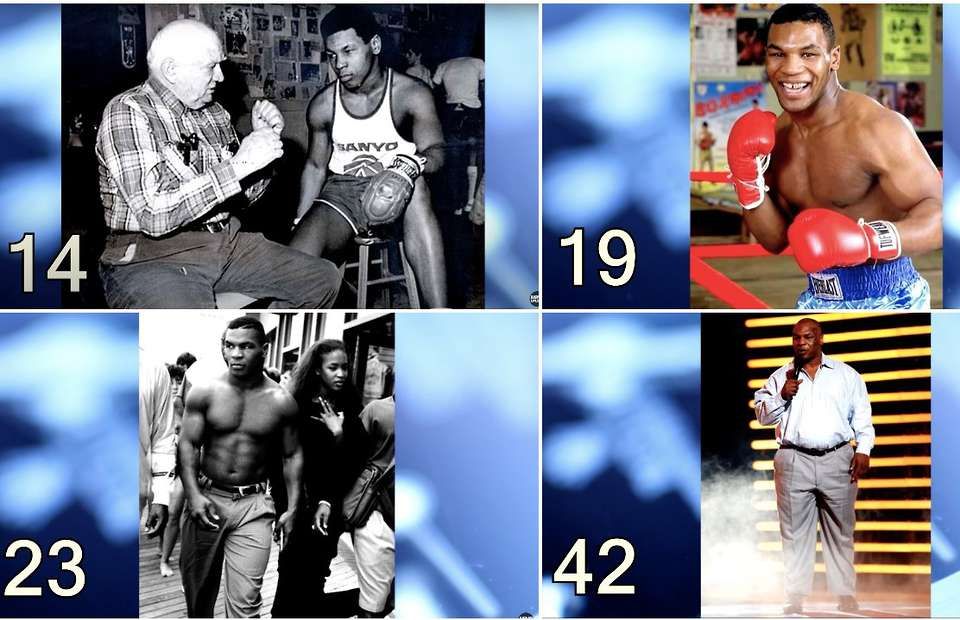
Mike Tyson's Metamorphosis: From Animal to Actor
It is almost impossible to imagine the Mike Tyson of the present decade existing in the same timeline as the Mike Tyson who terrified the heavyweight division in the late 1980s. One was a primal force of nature, a whirlwind of aggression and defensive mastery that left legends like Larry Holmes and Trevor Berbick looking like amateurs. The other is a podcaster, a method actor who plays himself, and a man who has openly discussed his trauma, therapy, and spiritual growth. This isn't just a story about an athlete aging; it is one of the most documented and fascinating psychological metamorphoses in modern sports history.
When we talk about Tyson’s journey, we are not just talking about weight gain or a change in hairstyle. We are looking at a complete deconstruction of a persona that was built on fear, anger, and unprocessed childhood trauma, and its replacement with a man who seeks understanding rather than dominance.
The Boy Who Raised Hell
Before there was the disciplined monk or the Hollywood cameo, there was young Michael Gerard Tyson growing up in Brooklyn and Yonkers. It was a rough environment. He was a juvenile delinquent, caught up in theft and petty crime. The system almost wrote him off entirely. Then came Cus D’Amato.
D’Amato didn’t just teach Tyson how to box; he gave him a family structure he had never known. He drilled into Tyson the idea that if he became the best heavyweight boxer in the world, no one would ever be able to hurt him again. It was a profound psychological shield. But it was also a trap. The anger that fueled his power was never resolved; it was merely weaponized. The "Iron Mike" persona was a collection of masks designed to intimidate opponents and hide a deeply frightened child.
The peak of this era was short-lived. By 1990, Tyson was the undisputed heavyweight champion, the youngest to ever hold the title. But the cracks were showing. The lifestyle, the excess, and the underlying psychological issues began to surface. The loss to Buster Douglas in 1990 was a shock to the system, but it was the legal issues and subsequent incarceration that changed everything.
The Vacuum of Purpose
Prison was a breaking point, but it was also a pause button. When Tyson returned to boxing, he was a different fighter. He was heavier, slower, and lacked the terrifying precision of his youth. He won some memorable fights, like the comeback against Frank Bruno, but the magic was gone. He retired from professional boxing in 2005, but the real work was just beginning.
For years, Tyson struggled with identity. Who is Mike Tyson without the gloves? Without the persona? He tried boxing promotions, which failed. He flirted with rap and other ventures. It was a period of public confusion for Tyson and, frankly, for his fans. But behind the scenes, he was diving into self-improvement literature, philosophy, and meditation.
Unlearning the Aggression
The most significant phase of his transformation began quietly. Tyson started practicing yoga. He read Nietzsche. He engaged in long-term therapy. He began to separate his sense of self-worth from his physical dominance. This wasn't easy for a man whose entire adult life was predicated on being the biggest, baddest guy in the room.
He became open about his pain. He spoke about sexual abuse as a child, a topic he had kept secret for decades. By articulating his trauma, he disarmed the anger that had once been his primary defense mechanism. This vulnerability was radical for a figure associated with machismo. It resonated with a new generation who were more interested in mental health and emotional intelligence than in brute strength.
From Lion to Learner
Then came the podcasting boom. Tyson partnered with Joe Rogan, and their conversations became a phenomenon. Why? Because Tyson is a fascinating conversationalist. He is curious, empathetic, and surprisingly intellectual. He doesn’t just talk about boxing; he talks about the nature of reality, death, love, and the human condition. The audience realized that the man who knocked out Larry Holmes in 91 seconds was also deeply thoughtful and genuinely interested in the world.
This intellectual curiosity spilled over into acting. But not in the traditional sense. Tyson isn't trying to win Oscars for playing fictional characters. He plays Mike Tyson. In *Harlem*, *Uncut Gems*, and *The Book of Everything*, his presence is magnetic because it is authentic. He brings the weight of his real-life struggles to the screen. It’s method acting for a man who has already lived the most extreme method possible.
Why This Journey Matters
Mike Tyson’s transformation is compelling because it defies the typical sports narrative of decline. Usually, athletes fade away or become caricatures of their past selves. Tyson reinvented himself. He took the capital of his fame and used it to buy time for personal growth. He showed that it is possible, even at age 58, to return to the classroom of life and learn new lessons.
He proves that identity is not fixed. You can be a monster and then be a mentor. You can be defined by violence and then choose peace. It is a reminder that our past does not have to dictate our future if we are willing to do the hard, internal work. Tyson’s journey isn't just about boxing anymore; it’s about the capacity for human change.
Reflections on the Future
As Tyson continues to age, the public seems more interested in his wisdom than his physical prowess. The recent exhibition matches with Jake Paul and Travis Barker were more about spectacle and nostalgia than athletic competition. They highlighted that while Tyson’s reflexes have faded, his influence remains potent. He commands attention not because he can hurt you, but because he has something to say.
The arc of Mike Tyson’s life is a testament to the complexity of the human experience. He has lived life at the extremes—poverty and wealth, prison and penthouses, rage and serenity. His journey teaches us that healing is non-linear and that success can mean many different things at different stages of life. For a man who once feared being hurt above all else, Tyson has found a strange, quiet peace in being understood.
Frequently Asked Questions
What triggered Mike Tyson's shift in lifestyle?
Several factors contributed, including his time in prison, several high-profile losses, and a sincere interest in philosophy and therapy. Reading books and practicing meditation helped him process childhood trauma that had fueled his earlier aggression.
Is Mike Tyson still an active boxer?
No. He officially retired from professional boxing in 2005. He has made a few cameo appearances in exhibition bouts in recent years, but these are entertainment events rather than competitive professional fights.
How has Tyson approached mental health publicly?
Tyson has been very open about his struggles, discussing sexual abuse, addiction, and anger management in interviews and his podcast. He credits therapy and mindfulness practices with helping him find stability and purpose outside of boxing.
What role do his podcast appearances play in his current image?
His podcast appearances, particularly with Joe Rogan, have reintroduced him to a younger audience as an intellectual and empathetic figure. These conversations highlight his curiosity and philosophical views, softening his former "bad boy" image.