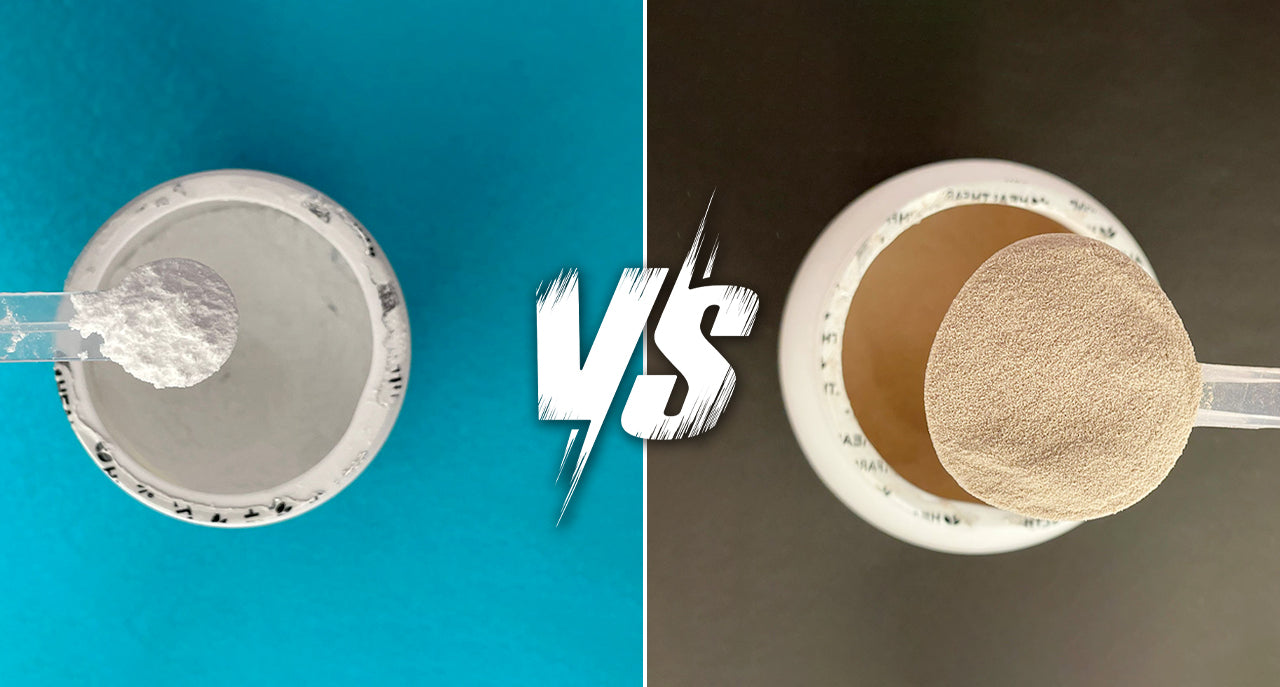
Mixing Whey Protein and Creatine: Benefits, Risks, and Timing
If you’ve ever stood in the supplement aisle wondering whether to stack whey protein with creatine, you’re not alone. Both powders dominate the fitness market, and the idea of combining them seems logical—protein builds muscle, creatine fuels power. But does the science support the practice, and are there any hidden pitfalls? Below we unpack how each supplement works, where they intersect, and practical tips for getting the most out of a joint regimen.
How Whey Protein Works
Whey is a fast‑digesting dairy protein rich in essential amino acids, especially leucine, which triggers muscle‑protein synthesis (MPS). After a resistance workout, the body enters a catabolic window where nutrients are needed to repair micro‑tears. Consuming whey within 30‑60 minutes supplies the building blocks for new contractile proteins, helping to translate training stress into growth.
Beyond muscle, whey can modulate immune function thanks to its immunoglobulin content, and it may aid weight management by increasing satiety. Most research points to a dosage of 20‑30 g per serving for optimal MPS, though individual needs vary with body weight and training volume.
What Creatine Does
Creatine monohydrate is a naturally occurring compound stored in skeletal muscle as phosphocreatine. During high‑intensity bursts—think sprinting or heavy lifts—phosphocreatine rapidly regenerates ATP, the cell’s primary energy currency. This short‑term power boost translates into the ability to lift heavier, perform more reps, or sprint a few meters faster.
Long‑term supplementation typically raises muscle creatine stores by 10‑20 %, which research links to increased strength, lean mass, and even cognitive benefits. A common protocol involves a “loading phase” of 20 g per day split into 4 doses for 5‑7 days, followed by a maintenance dose of 3‑5 g daily. Many athletes skip loading and simply take the maintenance dose; the gains are just slower to appear.
Potential Interactions: Do They Cancel or Complement Each Other?
From a biochemical standpoint, whey and creatine operate in separate pathways—protein synthesis versus rapid ATP regeneration—so they don’t directly interfere. In fact, several studies have examined the combo and found additive effects on strength and lean‑mass gains compared with either supplement alone.
One double‑blind trial gave participants 0.1 g/kg bodyweight of whey and 5 g of creatine post‑workout for eight weeks. Those who took both saw a 12 % increase in one‑rep max squat strength, versus 7 % for whey only and 5 % for creatine only. The researchers concluded the synergy likely stems from more work capacity (creatine) enabling greater stimulus for protein‑driven repair.
That said, mixing powders can affect digestion for some. Whey’s rapid absorption may cause mild stomach upset if combined with a high dose of creatine in the same shake, especially for individuals sensitive to lactose or those who haven’t fully “saturated” their muscles with creatine yet.
Timing and Dosage Tips for a Seamless Stack
- Separate if needed: If you notice bloating, try taking creatine with a carb‑rich beverage (juice or a sports drink) at a different time than your whey shake.
- Post‑workout combo: Many athletes blend 20‑30 g whey with 3‑5 g creatine right after training. The protein jump‑starts MPS, while creatine refills phosphocreatine stores depleted during the session.
- Pre‑workout creatine: Some prefer a small creatine dose 30 minutes before lifting to ensure peak phosphocreatine availability. Pair it with a carbohydrate source, not protein, to avoid a overly thick pre‑workout drink.
- Daily consistency: Creatine’s benefits rely on maintaining elevated muscle stores. Skipping days can blunt the effect, even if you always take whey post‑exercise.
- Hydration matters: Creatine draws water into muscle cells, so increase fluid intake by about 500 ml per day to avoid cramps or mild dehydration.
Who Might Want to Skip the Stack?
While the combination works for most, certain groups should tread carefully. Beginners who are still learning proper training form might benefit from focusing on nutrition basics before adding multiple supplements. Likewise, individuals with pre‑existing kidney concerns should consult a physician before loading creatine, as the increased renal workload—though generally safe for healthy adults—requires medical clearance in compromised cases.
Athletes in sports with strict anti‑doping rules need to verify that the creatine product is free from contaminants. Reputable brands that provide third‑party testing (e.g., NSF, Informed‑Sport) reduce the risk of inadvertent violations.
Frequently Asked Questions
Can I take whey and creatine together in a single shake?
Yes, most people do. Mixing 20‑30 g whey with 5 g creatine post‑workout is common and safe, provided you tolerate the combined volume and your stomach handles it well.
Do I need to load creatine if I’m already using whey?
Loading isn’t required. The loading phase speeds up saturation, but a consistent 3‑5 g daily dose will eventually achieve the same muscle creatine levels—just over a longer period.
Will the stack cause unwanted weight gain?
Creatine can increase water retention in muscle cells, often adding 1‑2 kg in the first week. This isn’t fat, and many athletes view it as a performance‑enhancing “fuller” look. Whey contributes calories only if you exceed your daily protein needs.
Is there any advantage to taking whey on non‑training days?
Maintaining a steady protein intake supports recovery and prevents muscle loss. A modest whey serving on rest days can help meet daily protein targets without overloading calories.