Molecular Biology Unveils Life's Secrets
Molecular biology, the study of the intricate structures and processes that govern life, has been a cornerstone of scientific inquiry for centuries. From the discovery of the cell to the deciphering of the genetic code, this field has continually pushed the boundaries of human understanding. As we delve into the history of molecular biology, we begin to unravel the complex threads that have woven together our current comprehension of life's fundamental principles.
The journey into the molecular realm began with the pioneering work of Antonie van Leeuwenhoek, who in the 17th century, laid the foundations for cellular biology with his discovery of microorganisms. This groundbreaking finding sparked a chain reaction of curiosity, leading scientists to explore the unseen world of cells and their components. The subsequent discovery of the cell nucleus by Robert Brown in 1831 marked a significant milestone, as it became clear that cells were not just simple blobs of protoplasm but complex entities with distinct structures.
Unraveling the Genetic Code
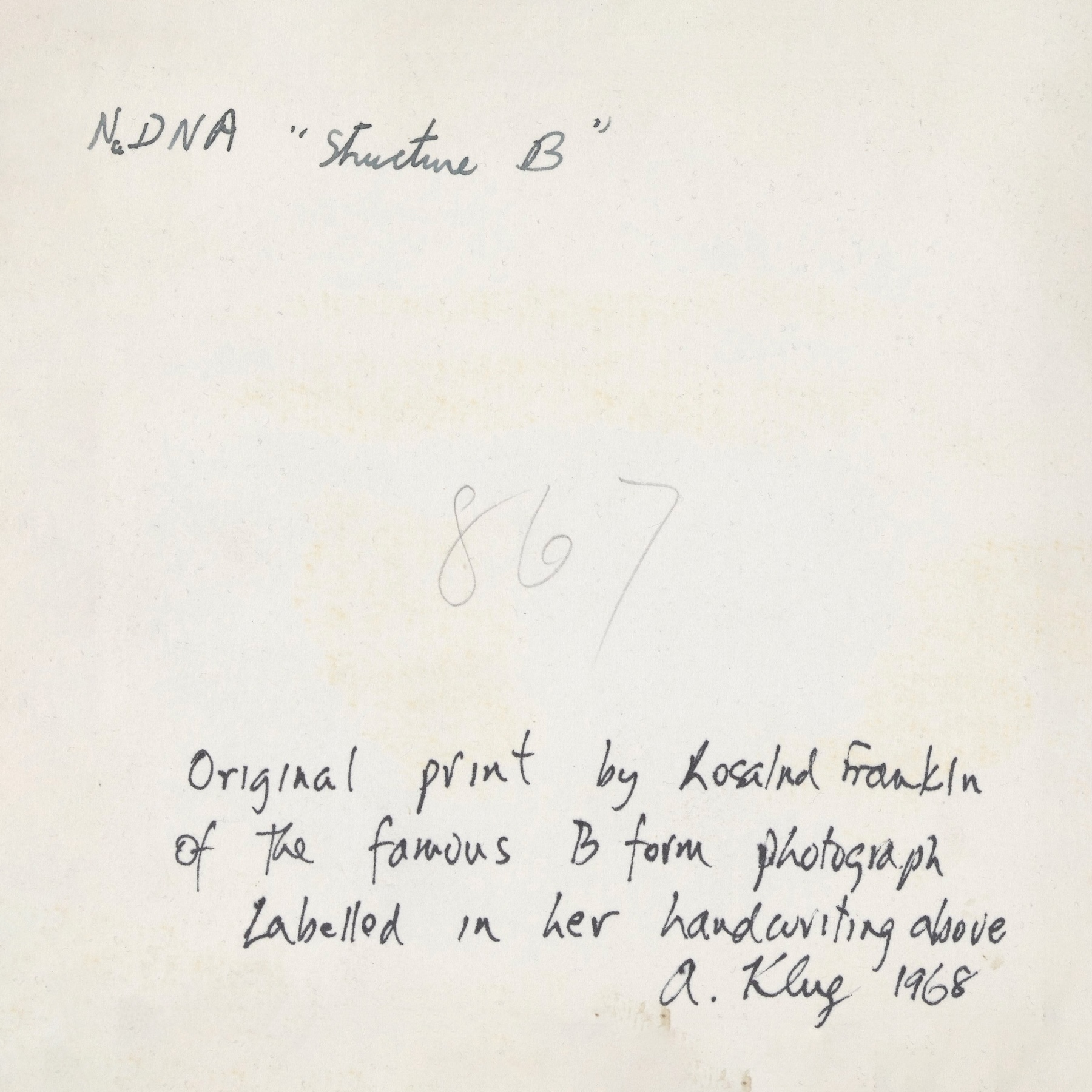
A major leap forward in molecular biology came with the discovery of DNA's structure by James Watson and Francis Crick in 1953. Their model, which described the double helix structure of DNA, provided a fundamental framework for understanding how genetic information is stored and transmitted. This breakthrough was soon followed by the deciphering of the genetic code, a set of rules that dictates how sequences of nucleotides in DNA are translated into proteins, the building blocks of life. The elucidation of the genetic code was a collaborative effort, with contributions from numerous scientists, including Marshall Nirenberg and Heinrich Matthaei, who demonstrated that RNA could direct protein synthesis.
The understanding of how genetic information is expressed and regulated has been a central theme in molecular biology. The operon model, proposed by François Jacob and Jacques Monod, explained how genes are turned on or off in response to environmental cues, providing a key insight into the complex interplay between genes and their surroundings. This concept has been pivotal in understanding developmental biology, where the precise regulation of gene expression orchestrates the formation of complex organisms from a single fertilized egg.
Technological Advancements and Applications
The advent of recombinant DNA technology in the 1970s revolutionized molecular biology, enabling scientists to manipulate genetic material with unprecedented precision. This technology, pioneered by Herbert Boyer and Stanley Cohen, allowed for the creation of genetically modified organisms (GMOs) and paved the way for numerous applications in agriculture, medicine, and biotechnology. The development of polymerase chain reaction (PCR) by Kary Mullis further accelerated genetic research, providing a rapid and efficient method for amplifying specific DNA sequences.
- Genetic engineering has led to the development of crops with enhanced nutritional content and resistance to pests and diseases.
- Gene therapy offers potential treatments for genetic disorders by correcting the underlying genetic defects.
- Forensic science relies heavily on DNA analysis for identifying individuals and solving crimes.
As molecular biology continues to advance, its impact extends beyond the scientific community, influencing fields such as medicine, agriculture, and conservation. The Human Genome Project, completed in 2003, has provided a detailed map of the human genetic landscape, facilitating the identification of genes associated with diseases and the development of personalized medicine.Furthermore, the study of molecular biology has profound implications for our understanding of evolution, as it sheds light on the molecular mechanisms that underlie the diversity of life on Earth.
Challenges and Future Directions
The future of molecular biology holds much promise, with emerging technologies such as CRISPR-Cas9 gene editing and single-cell analysis offering unprecedented opportunities for discovery. As scientists continue to unravel the secrets of life at the molecular level, they are poised to address some of humanity's most pressing challenges, from combating infectious diseases to ensuring global food security. Through its relentless pursuit of knowledge, molecular biology reminds us of the awe-inspiring complexity and beauty of life, encouraging us to embrace our role as stewards of the planet and its diverse inhabitants.
FAQs
Here are some frequently asked questions about molecular biology:
- What is molecular biology? Molecular biology is the study of the structures and processes that occur within cells, focusing on the interactions between DNA, RNA, proteins, and other biomolecules.
- How does genetic engineering work? Genetic engineering involves the direct manipulation of an organism's genes using biotechnology, allowing for the introduction of new traits or the modification of existing ones.
- What are the applications of molecular biology? Molecular biology has numerous applications in fields such as medicine, agriculture, biotechnology, and forensic science, contributing to advancements in healthcare, crop improvement, and criminal investigations.
- Why is molecular biology important? Molecular biology is crucial for understanding the fundamental principles of life, addressing global challenges, and improving human health and well-being.