Navigating Narcissism: Spotting Signs, Understanding Behaviors, And Coping
Walking into a room and watching someone effortlessly command attention, charm the crowd, and then dismiss you a moment later can leave you feeling strangely unmoored. If this sounds familiar, you might be dealing with a person who exhibits strong narcissistic traits. Narcissism isn't just a buzzword for "selfishness"; it's a complex psychological pattern rooted in a fragile sense of self that demands constant external validation. Understanding the nuances of this behavior is the first step toward protecting your own mental peace.
The Mask of Confidence vs. The Reality
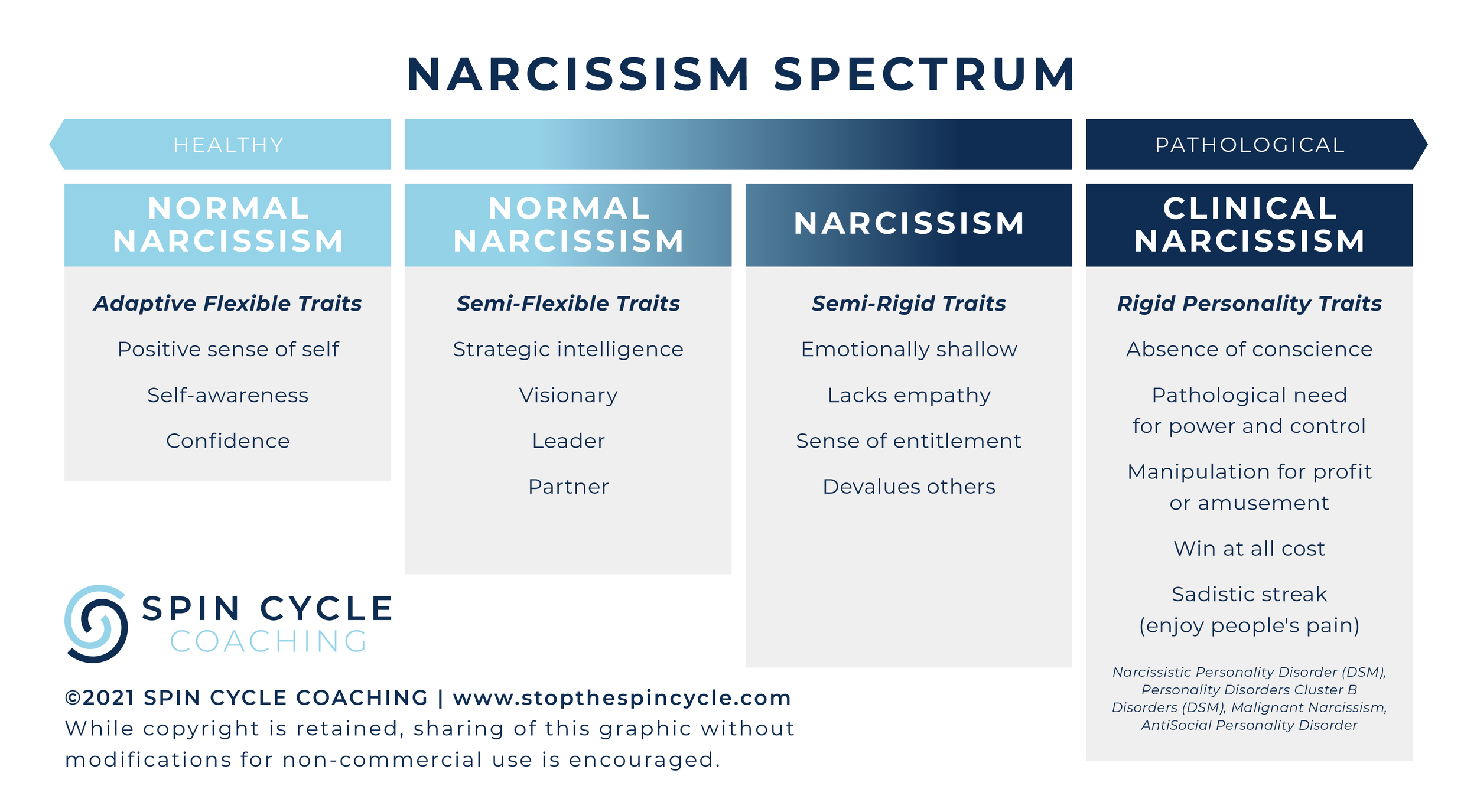
When we think of narcissism, images of CEOs in sharp suits or celebrities basking in adoration often come to mind. While Grandiose Narcissism is the most visible form, characterized by overt arrogance and a belief in one's specialness, it’s not the only type. Covert Narcissism, sometimes called vulnerable narcissism, hides behind a cloak of victimhood and hypersensitivity. These individuals may appear shy or withdrawn but still harbor an intense need for recognition and a deep-seated belief that they are misunderstood geniuses.
Regardless of the subtype, the core issue remains the same: a lack of genuine empathy. This isn't necessarily malice; it's often an inability to truly see or care about another person's internal world because their own ego is too fragile to cope with the complexity of others. They don't see you as a separate entity with needs; they see you as an extension of themselves or a tool to regulate their self-esteem.
Early Warning Signs in Relationships
Identifying narcissistic behavior early can save you years of emotional turmoil. It rarely starts with abuse; it usually begins with "love bombing." This is an intense, overwhelming display of affection, attention, and admiration designed to hook you quickly. You feel seen, chosen, and special. But once the bond is established, the mask slips.
- Lack of Empathy: They dismiss your feelings as trivial or overreacting. If you’re crying, they might tell you to "stop being so dramatic."
- Entitlement: They believe rules don't apply to them. Cutting in line, ignoring boundaries, or expecting special treatment are common behaviors.
- Constant Need for Praise: Conversations inevitably steer back to their achievements, struggles, or opinions. Your day at work is an anecdote for their story.
- Jealousy and Competition: They may sabotage your successes or become visibly resentful when you shine. Your win is perceived as a threat to their dominance.
The Cycle of Idealization, Devaluation, and Discard
Relationships with narcissistic individuals often follow a predictable, albeit painful, cycle. After the initial love bombing comes the devaluation phase. This is where the criticism starts—subtle at first, then more overt. They might nitpick your appearance, question your intelligence, or gaslight you into doubting your memory and perception. "I never said that," or "You're too sensitive," become common mantras.
This phase is exhausting. You find yourself walking on eggshells, constantly trying to please someone who moves the goalposts every time you score. The discard phase follows when they no longer find you useful or when they’ve found a new source of supply. They may leave abruptly, scapegoat you for the relationship's failure, or simply ghost you. For the victim, this creates a profound sense of confusion and self-blame, making them vulnerable to hoovering—the attempt by the narcissist to suck you back in once they need something from you.
Why Empathy Is the Missing Piece
The crux of narcissistic behavior lies in emotional blindness. Neuroimaging studies suggest that individuals with Narcissistic Personality Disorder (NPD) may have structural differences in areas of the brain associated with empathy and emotional regulation. However, even without a clinical diagnosis, many people display these traits to varying degrees. The key difference is rigidity. Narcissists cannot apologize sincerely because admitting fault shatters their fragile self-image. To them, an apology is a surrender, not a reconciliation.
How To Cope And Protect Your Peace
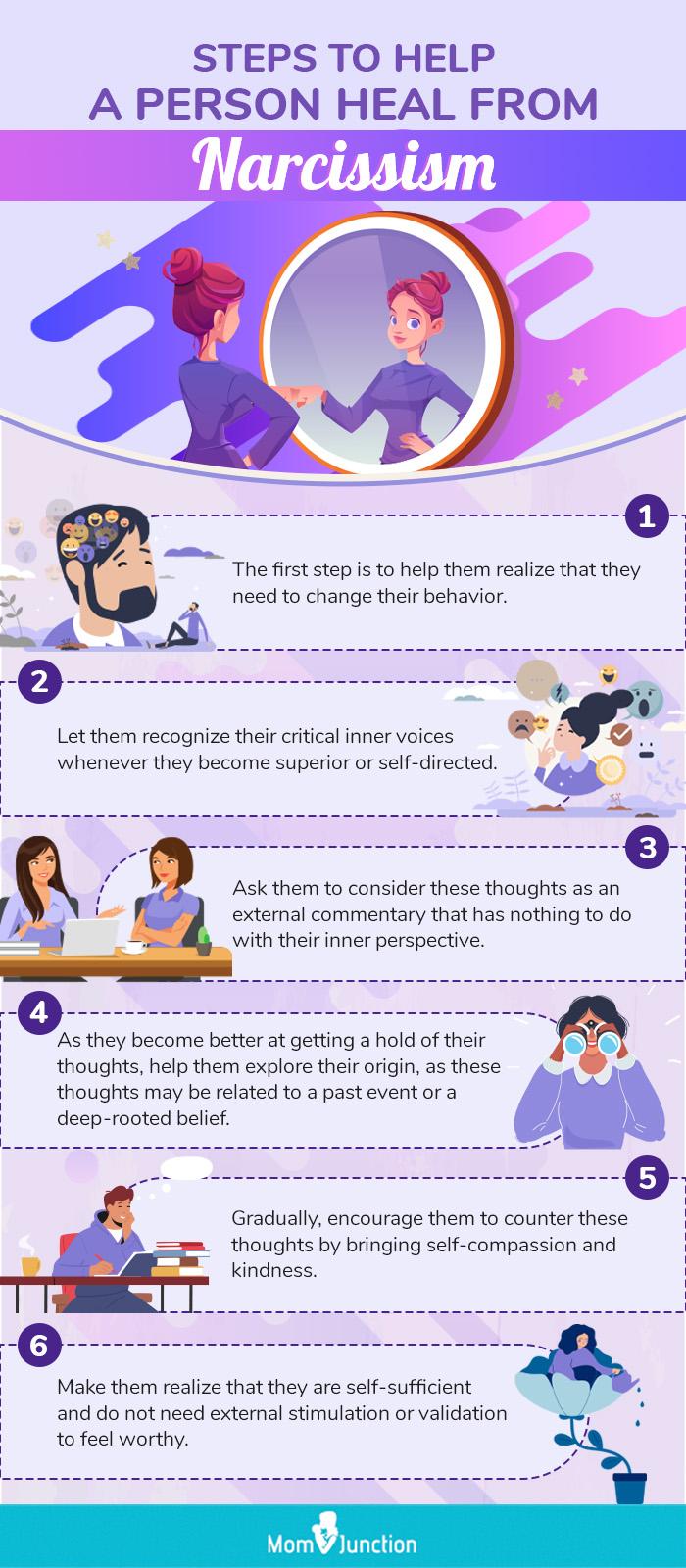
Dealing with a narcissist requires shifting your strategy from seeking validation to enforcing boundaries. You cannot change them; you can only change how you respond. This is not about fixing the person but about preserving your own sanity.
1. Set Firm, Non-Negotiable Boundaries
Boundaries are not requests; they are statements of what you will tolerate. If they interrupt you, calmly say, "I am not finished speaking." If they insult you, state, "That language is disrespectful, and I will end this conversation if it continues." Then, actually leave. Consistency is key. Narcissists test limits to see how much they can get away with. Every time you hold a boundary, you reclaim your power.
2. Manage Communication With "Gray Rock"
The "Gray Rock" method involves becoming as uninteresting and unreactive as a rock. Narcissists feed on emotional reactions—both positive (praise) and negative (anger, tears). By providing neutral, boring responses ("Okay," "I see," "That’s interesting"), you remove the supply they seek. This can be incredibly difficult, especially if they escalate their behavior to provoke a reaction, but holding your ground starves the dynamic.
3. Seek External Validation
Narcissists often isolate their victims or erode their self-esteem. Reconnect with friends, family, or support groups who see you clearly. Therapy is particularly valuable here. A therapist can help you untangle the gaslighting, recognize the patterns, and rebuild your identity outside of the narcissist's narrative. You need a reality check from people who have no stake in your relationship with them.
4. Accept That Closure May Never Come
One of the hardest lessons is accepting that you likely never will get a sincere apology or an explanation that makes sense. Their version of events will always cast themselves as the victim. Letting go of the need for justice or closure is the final step in true freedom. Your peace is more valuable than their acknowledgment.
Frequently Asked Questions
Is narcissism a choice, or is it innate?
Narcissism is a complex interplay of genetics, brain structure, and early childhood experiences. While no one chooses to be narcissistic, it is not an excuse for abusive behavior. Understanding the root causes helps in coping, but it does not absolve the individual of responsibility for their actions.
Can a relationship with a narcissist ever work?
If the individual has Narcissistic Personality Disorder and is actively engaged in long-term therapy, change is possible but rare. Most relationships with narcissists end in emotional exhaustion. Success usually requires the narcissist to take full accountability, which is uncommon. For many, no contact is the healthiest path.
What is the difference between confidence and narcissism?
Confidence is quiet and secure; it doesn't need constant validation. A confident person can celebrate others' successes without feeling threatened. Narcissism is fragile and loud, requiring external praise to maintain self-worth. True confidence is inclusive; narcissism is exclusive.
How do I know if I'm dealing with a covert narcissist?
Covert narcissists often play the victim. They may seem shy or introverted but are hypersensitive to criticism. They withdraw affection as punishment and expect you to intuitively know their needs without them asking. You may feel like you're constantly managing their mood to keep the peace.
:max_bytes(150000):strip_icc()/understanding-the-covert-narcissist-4584587_V2-01-3a06a829167c4ae78c80d6bfecaf6bcd.png)