Navigating Today’s Most Destructive Cyber Attacks
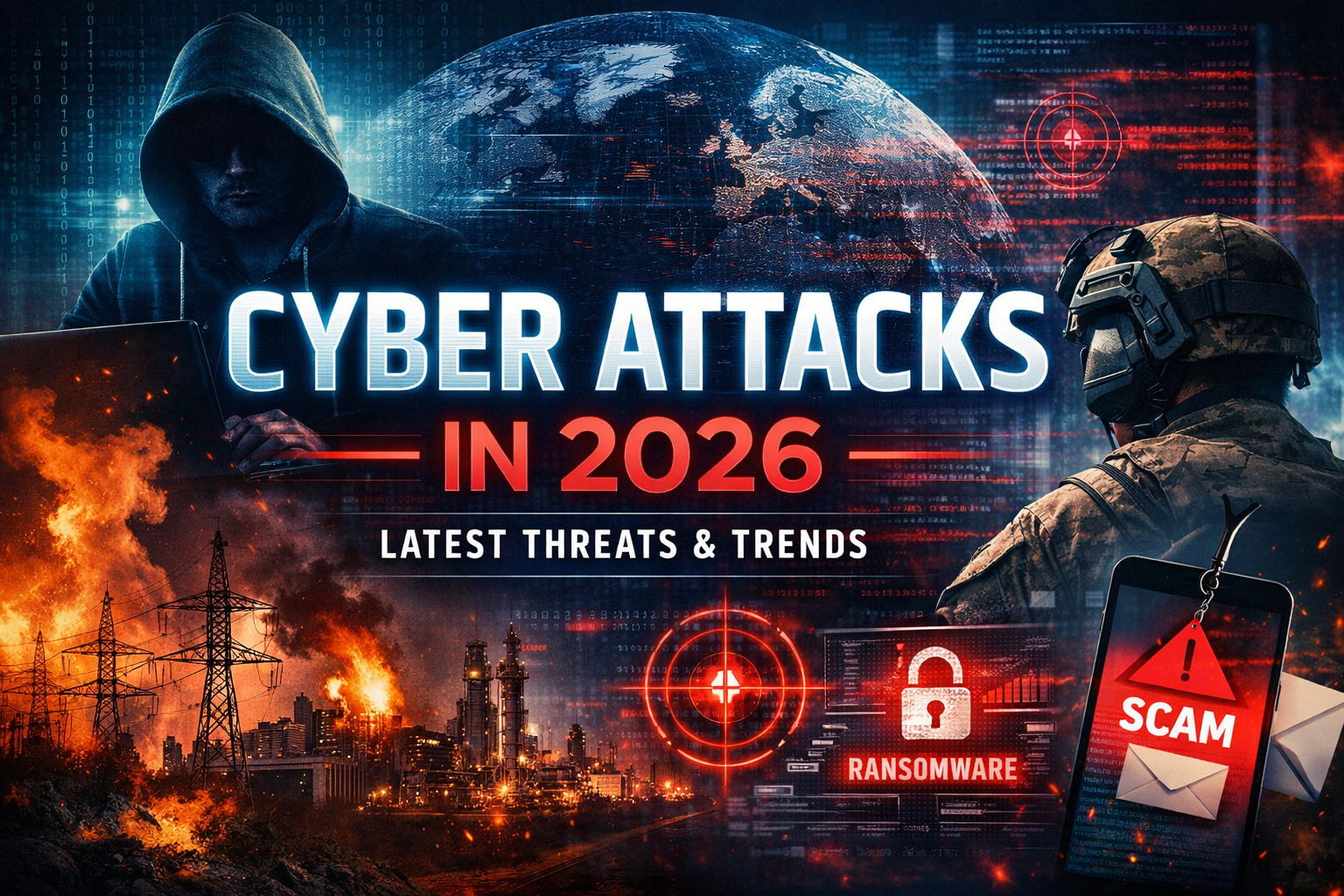
If you have scanned your newsfeed recently, you have probably seen alarming headlines about another massive data breach or a crippling ransomware strike. The landscape of digital security is shifting faster than most organizations can keep up. We are no longer dealing with amateur hackers seeking petty amusement; we are facing sophisticated criminal syndicates and state-sponsored actors. The question isn’t if the next attack will happen, but when—and whether you are ready for it.
Understanding the latest cyber attacks is less about memorizing technical jargon and more about recognizing the changing tactics used to bypass traditional defenses. What worked five years ago is often an open door today. Let’s break down what is actually happening under the hood and, more importantly, what you can do to protect yourself, your family, or your business.
The Rise of AI-Driven Social Engineering
Perhaps the most significant shift in recent years is the integration of artificial intelligence into phishing campaigns. In the past, a phishing email might have had obvious grammatical errors or a clearly spoofed sender address. Today, AI tools can write convincing emails in perfect English (or your native language) that mimic the tone and style of your colleagues, bosses, or trusted financial institutions.
These attacks are highly personalized. Attackers scrape LinkedIn, Twitter, and Facebook to gather details about a target’s recent projects, colleagues, and interests. They then craft emails that appear urgent and relevant. For example, an employee might receive a message from their "CEO" asking for immediate wire transfers for a "confidential client project," complete with specific details only the CEO would know. This is known as BEC, or Business Email Compromise.
The danger here is that it bypasses technical firewalls entirely. The attack doesn't come through a security gap in software; it comes through human trust. Recognizing these attempts requires a shift in mindset: assuming that any urgent request for money or sensitive data needs secondary verification, regardless of how trustworthy the source appears.
Ransomware Is Evolving Beyond Encryption
Ransomware has been around for decades, but the modern iteration is far more destructive. It is no longer just about locking your files and demanding a Bitcoin payment for the decryption key. The current trend is "double extortion" and even "triple extortion."
In double extortion, attackers not only encrypt data but also steal it before locking it. They then threaten to leak the stolen sensitive data publicly if the ransom isn’t paid. This keeps victims from simply restoring from backups, as the reputational damage and regulatory fines from a data leak can be far worse than the ransom cost. Triple extortion adds pressure on the victim’s partners and customers, threatening to expose their data as well.
For businesses, this means backups are essential but not sufficient. You need immutable backups—copies of data that cannot be altered or deleted by anyone, even administrators. This ensures that even if attackers gain access to your network, they cannot destroy your recovery options.
Supply Chain Vulnerabilities
We have learned a painful lesson lately: securing your own lock doesn't help if you leave the back door open for your vendors. Supply chain attacks target the weakest link in a company’s ecosystem. Instead of attacking a heavily fortified bank directly, hackers might attack a smaller software provider that many banks use.
Once the attacker gains access to the provider’s update system, they can inject malicious code into legitimate software updates. When thousands of customers automatically install the update, they unknowingly install the malware. Recent high-profile incidents have shown that this can cripple entire industries overnight. For the average user, this highlights the importance of understanding who has access to your data. For IT leaders, it means vetting third-party vendors is as critical as securing internal networks.
Simple Steps to Secure Your Digital Life
While the headlines are scary, the defenses against these threats are often simpler than we think. You don’t need to be a cybersecurity expert to drastically reduce your risk. Here are three immediate actions you can take.
- Enable Multi-Factor Authentication (MFA): This is the single most effective step you can take. Even if an attacker steals your password via a phishing email, they cannot access your account without the second factor (like a code from an authenticator app). Avoid SMS-based MFA if possible, as it can be intercepted; use app-based generators or hardware keys.
- Verify Before You Click: Train yourself to pause. If an email creates a sense of urgency or asks for immediate action, step away. Call the person or company using a known, trusted phone number to verify the request. Do not reply to the email.
- Keep Software Updated: It sounds tedious, but updating your operating system, browser, and apps patches the known vulnerabilities that hackers exploit most frequently. Enable automatic updates wherever possible.
The goal of cyber criminals is not to innovate; it is to bypass your caution. By staying informed and maintaining healthy skepticism, you become a much harder target. Security is not a product you buy; it is a habit you build.
Frequently Asked Questions
How can I tell if an email is a sophisticated phishing attempt?
Look for subtle inconsistencies. Check the sender's email address carefully for misspellings or slightly different domains. Be wary of generic greetings like "Dear Customer" if the sender claims to know you. Pay attention to pressure tactics; legitimate organizations rarely demand immediate payment or password changes via email links.
What should I do if I am a victim of identity theft?
Act quickly. Freeze your credit with all three major credit bureaus to prevent new accounts from being opened in your name. Change passwords for all financial and email accounts immediately. If you suspect a specific breach, refer to breach notification sites to see if your data was exposed, and report the incident to the Federal Trade Commission (FTC) in the US or your local consumer protection agency.
Is changing my password every month necessary?
Recent guidelines suggest that constant password rotation is unnecessary if you use long, unique, and complex passwords. However, you must change your password immediately if you suspect it has been compromised. The focus should be on password strength and uniqueness across accounts, aided by a password manager, rather than arbitrary rotation schedules.

![Recent Cyber Attacks & Data Breaches in 2022 [Infographic]](https://wesecureapp.com/wp-content/uploads/2022/04/wsa-infographic-v3.png)
