Neuschwanstein Castle: Inside Germany’s Real‑Life Fairy‑Tale
From Romantic Dream to Stone Reality
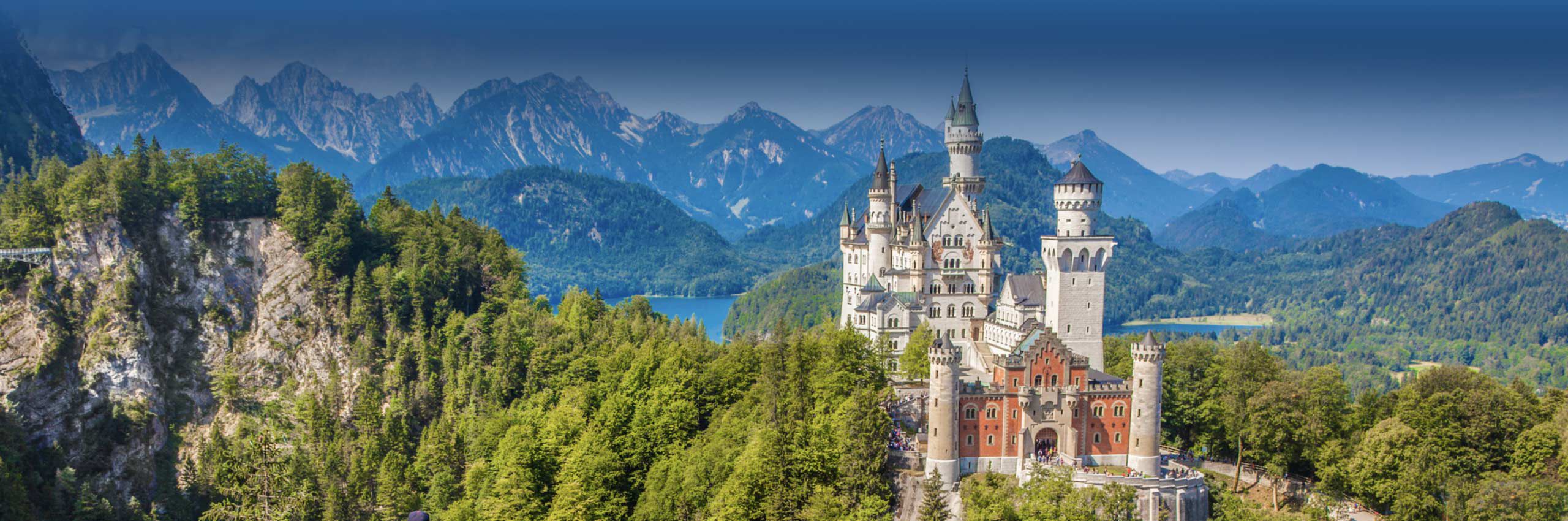
When you picture a storybook palace perched atop a misty hill, Neuschwanstein Castle probably pops into your mind. Built in the late 19th century by King Ludwig II of Bavaria, the structure was never meant to be a fortress; it was a personal refuge, a stage for his love of myth and music. The name “Neuschwanstein” translates to “New Swan Stone,” a nod to the earlier Hohenschwangau Castle that occupied the same ridge. From the moment you hear the name, the expectation of fairy‑tale grandeur is already set.
The Ludwig II Vision: A King Who Loved Legends
Ludwig II, often called the “Swan King,” was a patron of the arts and a lifelong admirer of composer Richard Wagner. His fascination with Germanic legends—especially the tale of King Lohengrin, the Swan Knight—shaped every room’s décor. The interior is peppered with murals depicting scenes from Wagner’s operas, while the throne room’s ceiling boasts a fresco of the “Midsummer Night’s Dream.” Ludwig never intended the castle to serve any political purpose; instead, it was his private stage, a place where myth could become tangible.
Architectural Highlights That Echo Fantasy
Architect Eduard Riedel was tasked with turning Ludwig’s sketches into stone. The result is a hybrid of Romanesque, Gothic, and Byzantine motifs, all wrapped in a striking white limestone façade. A few details stand out:
- The “Singer’s Hall”: A massive concert‑type space where Wagner’s scores were imagined to echo against vaulted arches.
- The Throne Room: Though never used for official ceremonies, its gilded walls and marble columns make it feel regal beyond belief.
- The “Knight’s Hall” murals: These depict the famed Swan Knight, reinforcing the personal symbolism Ludwig adored.
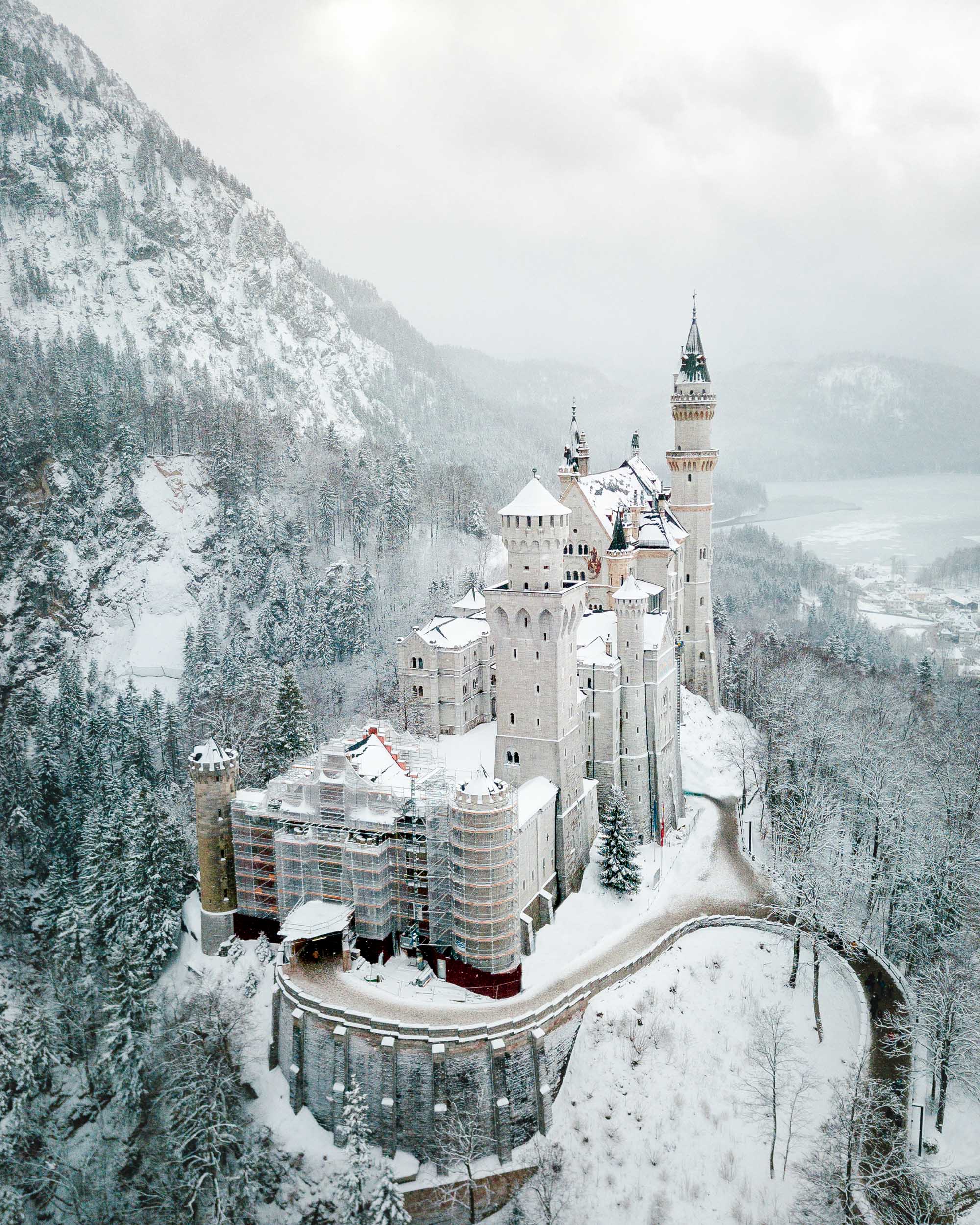
Even the castle’s silhouette—steep roofs, towering spires, and a cascade of turrets—was designed to look dramatic from every angle, especially from the valley below where countless tourists first lay eyes on it.
Visiting Neuschwanstein: Practical Tips for the Curious Traveler
Despite its remote Alpine setting, the castle draws more than three million visitors each year, making timing a key factor. Here’s what seasoned travelers recommend:
- Book tickets online at least a week in advance; walk‑ins are often turned away during peak summer months.
- Arrive early in the morning or late in the afternoon to avoid the biggest crowds and to catch the light that makes the façade glow.
- Wear sturdy shoes— the final ascent involves a steep, partially cobbled path that can be slippery when it rains.
- Don’t skip the nearby Marienbrücke bridge; its panoramic view of the castle set against the Hohenschwangau valley is worth a separate photo stop.
While the interior tour lasts about 35 minutes, allow extra time for the surrounding gardens, which feature a small grotto and a replica of Wagner’s opera stage. And if you’re a history buff, consider a guided audio tour that explains Ludwig’s tragic life and the unfinished nature of many rooms.
Cultural Impact: From Inspiration to Pop Culture Icon
Neuschwanstein’s fairy‑tale silhouette has transcended its Bavarian roots. It inspired Walt Disney’s Sleeping Beauty Castle, and its image appears on countless postcards, merchandise, and even in video games. The castle’s fame also fuels local economies; nearby Füssen benefits from a vibrant tourism sector that includes horse‑drawn carriage rides, traditional Bavarian restaurants, and Alpine hiking trails.
Beyond commercial appeal, scholars note that Neuschwanstein reflects the 19th‑century Romantic movement’s yearning for an imagined past. Ludwig’s escapist architecture can be read as a reaction to the rapid industrialization of his time—a physical manifestation of longing for purity, chivalry, and artistic idealism.
Frequently Asked Questions
When was Neuschwanstein Castle built?
Construction began in 1869 and continued sporadically after Ludwig II’s death in 1886. The castle remained unfinished, with many interior rooms left incomplete.
How tall is the highest tower?
The tallest spire reaches approximately 65 meters (about 213 feet) above the ground, offering a commanding view of the surrounding Alps.
Can I stay overnight inside the castle?
No. Neuschwanstein is a museum open to the public; however, several nearby hotels in Füssen provide rooms with views of the castle, letting you soak in its silhouette at sunset.
Is the castle accessible for visitors with mobility challenges?
Limited. While the lower levels are reachable via wheelchair‑friendly routes, the final ascent to the interior requires stairs and steep pathways, making it difficult for those with limited mobility.