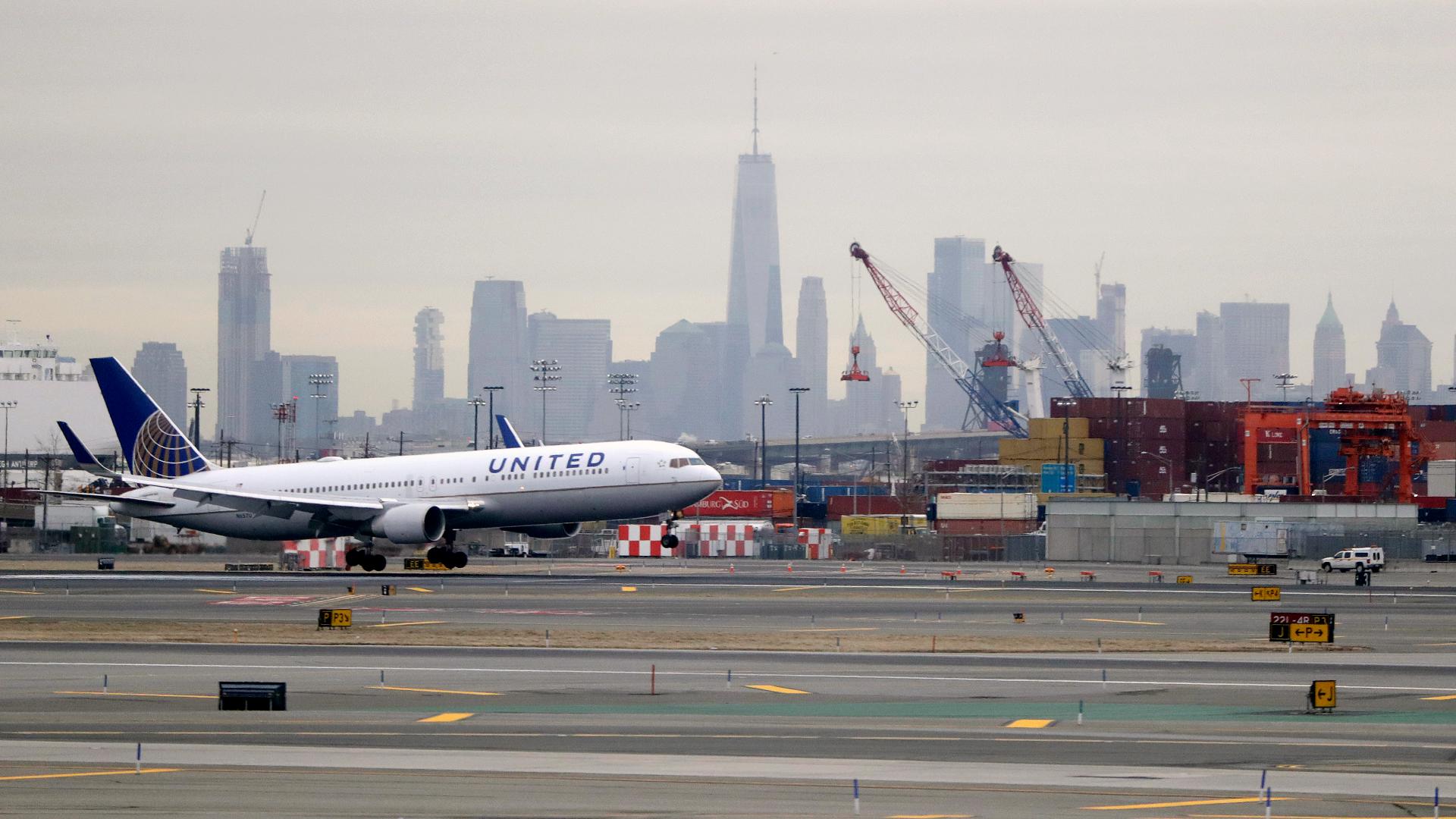
Newark Airport Delays: Inside the ATC Staffing Shortage
Why Newark Airport Delays Have Become a Daily Headache
Travelers at Newark Liberty International Airport have grown accustomed to long taxi‑times, gate‑holdovers, and sudden flight cancellations. The root of many of these disruptions is an air traffic control (ATC) staffing shortage that has tightened the airport’s capacity to manage its busy airspace. When controllers are missing or overloaded, the ripple effect spreads across every airline, every gate, and every passenger waiting in the terminal.
ATC Staffing Shortage: What’s Behind the Crunch
Several factors converge to create the current gap in qualified controllers:
- Retirement wave: A large cohort of seasoned controllers reached retirement eligibility in the past few years, and many opted to leave rather than endure the demanding schedules.
- Hiring bottlenecks: Federal Aviation Administration (FAA) hiring processes are notoriously lengthy, often taking 12‑18 months from application to certification.
- Training capacity: The FAA’s training facilities can only accommodate a limited number of new entrants each cycle, slowing the pipeline of fresh talent.
- Work‑life balance pressures: The high‑stress nature of the job, coupled with mandatory overtime during peak periods, deters potential recruits.
These dynamics are not unique to Newark, but the airport’s position as a major hub for United Airlines and a gateway to the New York metropolitan area makes the impact feel especially acute.
How Shortages Translate Into Delays
When the control tower operates below optimal staffing levels, it must prioritize safety above all else. That often means spacing aircraft farther apart, reducing the number of takeoffs and landings per hour. The result is a cascade:
- Longer ground‑hold times for departing flights.
- Increased holding patterns for inbound aircraft, burning extra fuel.
- Missed connection windows, prompting airlines to rebook passengers.
- Knock‑on effects for neighboring airports, as rerouted traffic seeks alternate runways.
Even a single missing controller during a peak morning can add 20‑30 minutes to the average delay, according to airline operational reports.
What the FAA Is Doing to Patch the Gap
The FAA acknowledges the staffing crunch and has rolled out a multi‑pronged approach:
- Accelerated hiring: Recent budget allocations have allowed the agency to open additional recruitment windows and streamline background checks.
- Temporary reassignments: Controllers from less congested facilities are being rotated to Newark on short‑notice contracts.
- Retention incentives: Bonus structures and flexible scheduling are being offered to keep experienced staff on the floor.
- Technology upgrades: Implementation of advanced decision‑support tools aims to ease the workload on human controllers, though these systems are still supplemental.
While these measures show promise, experts caution that a full recovery could take several years, given the depth of the shortage.
Airlines’ Strategies to Mitigate Passenger Impact
Air carriers are not standing idle. United, Delta, and American have each adopted tactics to soften the blow for travelers:
- Proactive rebooking of affected passengers onto later flights before they reach the gate.
- Enhanced communication via mobile apps, offering real‑time delay updates and alternative travel options.
- Strategic use of standby seats to accommodate passengers who missed connections.
- Negotiating temporary slot adjustments with the FAA to regain some lost capacity during off‑peak hours.
These steps, however, cannot fully compensate for the underlying ATC constraints.
Tips for Passengers Facing Newark Delays
If you find yourself stuck at Newark during a staffing‑related slowdown, consider these practical moves:
- Arrive at the airport earlier than usual—at least two hours for domestic flights and three for international.
- Download the airline’s app and enable push notifications; they often beat the public announcement system.
- Keep essential items (medications, chargers, a change of clothes) in your carry‑on, just in case you end up on a later flight.
- Know your rights: for flights delayed over three hours, many airlines offer meal vouchers or accommodation, depending on the ticket terms.
Staying informed and flexible can turn a frustrating wait into a more manageable experience.
Long‑Term Outlook: Will the Shortage Ever End?
Industry analysts predict a gradual easing of the ATC staffing shortage as the FAA expands its training pipeline and more retirees are replaced. Yet the pace depends heavily on federal funding and the attractiveness of the profession to younger cohorts. Some propose a shift toward remote or partially automated tower operations, but such concepts remain in pilot phases and face regulatory hurdles.
In the meantime, Newark Airport is likely to continue seeing sporadic delay spikes, especially during holiday travel peaks and severe weather events that further strain the limited controller pool.
FAQ
Why are flights at Newark delayed more often than at other New York area airports?
Newark’s airspace is among the busiest in the nation, and it shares its terminal complex with major hubs. When ATC staffing falls short, the airport’s high traffic volume magnifies the impact, leading to longer average delays compared with LaGuardia or JFK, which have slightly more diversified traffic patterns.
What is being done to recruit new air traffic controllers?
The FAA has increased outreach to veterans and community college graduates, shortened some background‑check steps, and introduced scholarship programs that cover training costs in exchange for a service commitment.
Can passengers get compensation for delays caused by ATC shortages?
Compensation depends on the airline’s policy and the length of the delay. While ATC staffing is a factor outside the airline’s direct control, most carriers treat any delay over three hours as grounds for offering vouchers or rebooking at no extra charge.
Will technology eventually replace human controllers at Newark?
Automation can assist with routine tasks, but safety regulations still require a human in the loop for critical decision‑making. Full replacement is not on the near‑term horizon; instead, technology will likely serve as a force‑multiplier for the existing workforce.