NPerf vs Speedtest: Which Speed Test Gives More Accurate Results?
What Sets NPerf and Speedtest Apart?
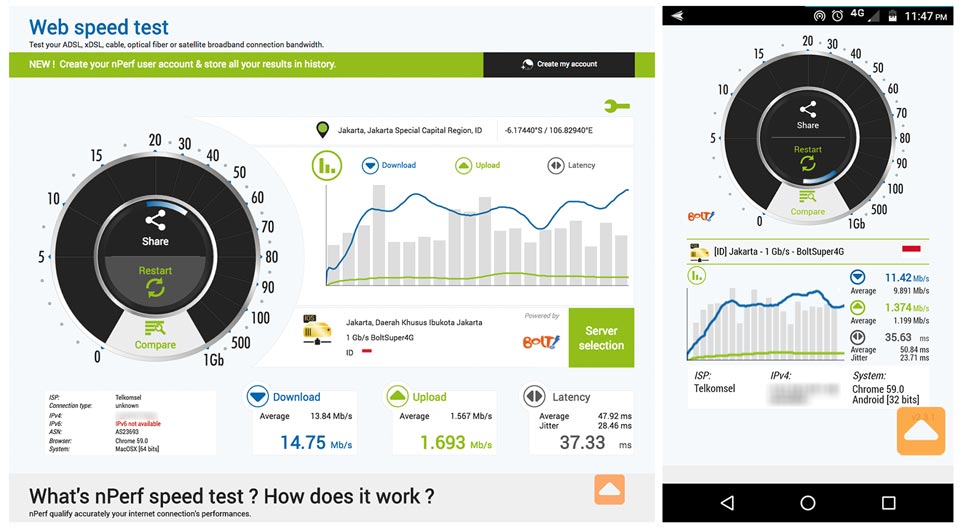
At first glance both apps look like any other internet‑speed checker: you tap a button, the test runs, and you get numbers in megabits per second. Dig a little deeper, however, and you’ll see distinct philosophies. NPerf, a Swedish‑born service, mixes speed metrics with real‑world browsing and streaming simulations. Speedtest, the Ookla flagship, leans heavily on pure download/upload bursts measured against its own global server network.
That philosophical split matters because the “best” result often depends on what you actually need—raw bandwidth or a feel for everyday usage.
How Each Test Measures Speed
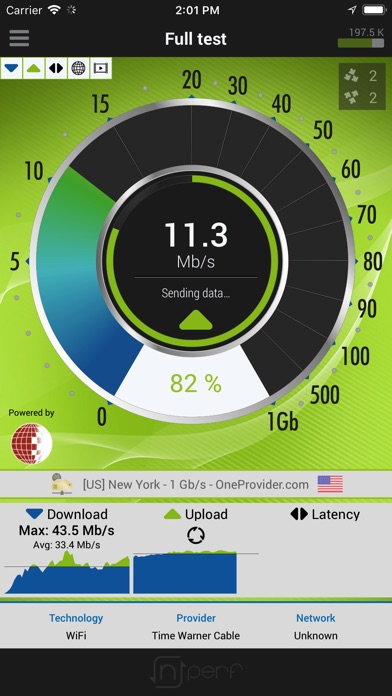
NPerf runs three phases:
- Download burst (like a traditional test).
- Upload burst.
- Real‑world simulation, where the app streams video and fetches web pages from popular sites.
The final score blends the three, giving a single “overall” rating that tries to mirror what you’d experience on a Netflix evening.
Speedtest follows a simpler three‑step routine:
- Select a nearby server (or let the app pick).
- Measure download speed.
- Measure upload speed.
- Ping latency.
The numbers are presented separately, allowing you to see raw throughput and round‑trip delay without any weighting.
Key Metrics Compared
When you line up the data side by side, a few differences become obvious.
- Server selection. Speedtest boasts a massive pool—over 11,000 servers in more than 190 countries. NPerf’s network is smaller, focusing on major ISPs in Europe and a handful of locations elsewhere.
- Latency handling. Both show ping, but Speedtest reports it as a separate metric, while NPerf folds it into the overall score, making it harder to isolate.
- Consistency. Because Speedtest repeats the download/upload burst several times, its reported speed tends to be more repeatable. NPerf’s simulation can vary dramatically depending on the moment’s content cache.
- Real‑world relevance. NPerf’s streaming test can expose throttling that a pure burst test would miss, especially for users on “video‑optimized” plans.
When to Trust Which Number
If you’re negotiating a contract with an ISP, the raw download figure from Speedtest usually carries more weight. Contracts often specify a minimum download bandwidth, and the pure burst test aligns with that language.
For a home user who cares about buffering while watching a series, NPerf’s combined rating might be more honest. It can reveal whether the ISP is shaping traffic after the initial burst.
Running Your Own Side‑by‑Side Test
Here’s a quick, no‑frills routine you can try on a laptop or phone:
- Close all background apps. Disable VPNs and firewalls that could skew results.
- Connect to your Wi‑Fi (or plug in with Ethernet for the most stable link).
- Run Speedtest first. Note the download, upload, and ping values.
- Immediately after, launch NPerf. Record its overall score and the separate download/upload readings it shows.
- Repeat the pair three times, swapping the order each round to avoid “first‑test advantage.”
Look for patterns: does one tool consistently report higher download speeds? Does NPerf’s overall rating dip when Speedtest’s ping spikes? Those clues can help you decide which metric reflects your everyday experience.
Pros & Cons at a Glance
NPerf
- Pros: Simulates browsing/streaming; gives a single easy‑to‑understand score; highlights ISP throttling.
- Cons: Smaller server pool; overall score can mask latency spikes; occasional variability.
Speedtest
- Pros: Vast global server network; clear separation of download, upload, and ping; highly repeatable.
- Cons: Pure burst may overstate real‑world performance; no built‑in video simulation.
Bottom Line: Choose the Tool That Matches Your Goal
There’s no universal champion. If you need a hard‑nosed figure for a business‑grade service level agreement, Speedtest’s raw numbers are the safer bet. If you’re a casual streamer wanting to know whether your ISP will actually deliver smooth video, NPerf’s blended score offers a more practical glimpse.