Ocean Plastic Pollution: The Latest News and Solutions
Ocean plastic pollution has become a pressing concern in recent years, with millions of tons of plastic waste entering the world's oceans every year. The impact of this pollution is widespread, affecting not only marine life but also human health and the economy. In this article, we will delve into the latest news and solutions to address this growing problem.
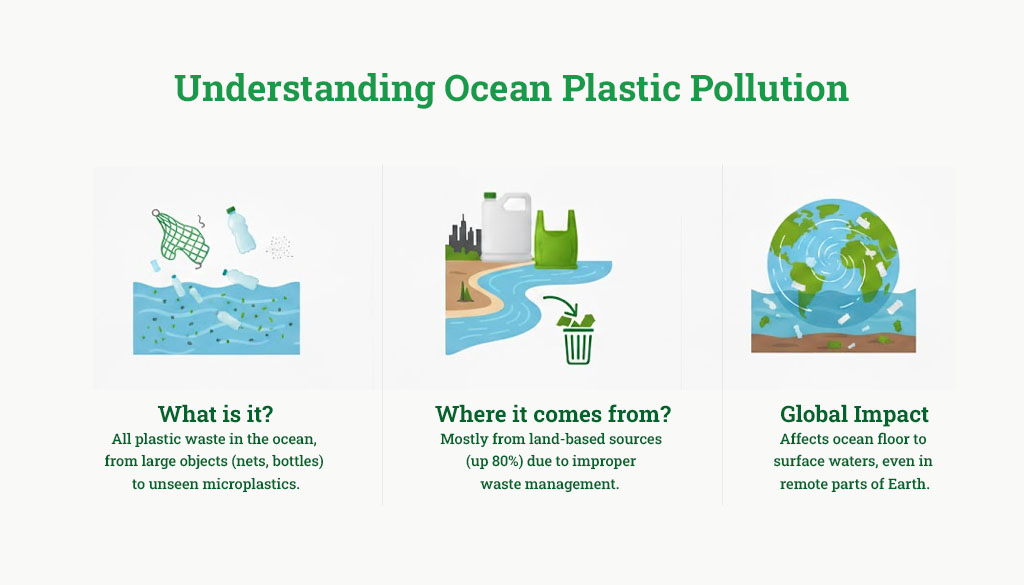
The issue of ocean plastic pollution is complex and multifaceted, with various factors contributing to the problem. One of the main causes is the increasing use of single-use plastics, such as plastic bags, straws, and water bottles. These items are often not disposed of properly and end up in the ocean, where they can harm marine life and contaminate the food chain. Additionally, plastic debris from fishing gear, microbeads, and other sources also contribute to the problem.
Current State of Ocean Plastic Pollution
According to recent studies, it is estimated that over 8 million tons of plastic waste enter the world's oceans every year. This plastic debris can come in many forms, including microplastics, macroplastics, and megaplastics. Microplastics, which are smaller than 5 millimeters, can be ingested by small marine animals and work their way up the food chain, potentially harming humans who consume seafood. Macroplastics, on the other hand, can entangle and trap larger marine animals, causing injury or death.
The impact of ocean plastic pollution is not limited to the environment; it also has significant economic and social implications. For example, plastic pollution can damage fisheries, tourism, and other industries that rely on healthy oceans. Moreover, the cleanup efforts and waste management costs associated with plastic pollution can be substantial.
Solutions to Address Ocean Plastic Pollution
Fortunately, there are many solutions being implemented to address the issue of ocean plastic pollution. One of the most effective ways to reduce plastic waste is through the implementation of circular economy practices, such as reducing plastic use, increasing recycling rates, and promoting the use of biodegradable materials. Governments, businesses, and individuals can all play a role in reducing plastic waste by making conscious choices about the products they use and dispose of.
Some examples of solutions include:
- Implementing extended producer responsibility, which holds manufacturers accountable for the waste generated by their products
- Increasing recycling rates through improved infrastructure and education
- Promoting the use of biodegradable materials, such as bioplastics and compostable packaging
- Implementing plastic bag bans and taxes to reduce single-use plastic waste
- Supporting beach cleanups and other community-led initiatives to remove plastic debris from the environment
Technological Innovations to Combat Ocean Plastic Pollution
In addition to policy and behavioral changes, technological innovations are also being developed to combat ocean plastic pollution. For example, biodegradable plastics are being engineered to break down more quickly and safely in the environment. Additionally, advanced recycling technologies are being developed to improve the efficiency and effectiveness of plastic recycling.
Other innovative solutions include the use of drones and satellite imagery to track and monitor plastic pollution in the ocean. These technologies can help identify areas of high plastic concentration and inform cleanup efforts. Furthermore, researchers are exploring the use of marine life, such as oysters and mussels, to help clean up plastic pollution in the ocean.
Individual Actions to Make a Difference
While governments and businesses have a critical role to play in addressing ocean plastic pollution, individual actions can also make a significant difference. By making conscious choices about the products we use and dispose of, we can reduce our own plastic waste and contribute to a larger cultural shift towards sustainability.
Some simple actions individuals can take include:
- Carrying a reusable water bottle and coffee cup
- Avoiding single-use plastics, such as straws and bags
- Choosing products with minimal packaging or those that use biodegradable materials
- Participating in beach cleanups and other community-led initiatives
- Supporting organizations that work to address ocean plastic pollution
Conclusion and Future Directions
In conclusion, ocean plastic pollution is a complex and pressing issue that requires a multifaceted approach to solve. While there are many challenges to address, there are also many reasons to be hopeful. By working together and implementing effective solutions, we can reduce plastic waste, protect the environment, and promote a healthier and more sustainable future for all.
As we move forward, it is essential to continue to monitor and address the issue of ocean plastic pollution. This includes supporting research and development of new technologies and solutions, as well as promoting education and awareness about the impact of plastic pollution on the environment and human health. By taking action and working together, we can create a future where our oceans are free from plastic pollution and thriving with marine life.