Offshore HSE: The Ultimate Guide to Safety and Compliance
Why Offshore HSE Can’t Be an Afterthought
Working miles from shore means the stakes are higher—one misstep can affect not only a crew but also delicate marine ecosystems. Offshore HSE (Health, Safety, and Environment) programs exist to keep people alive, equipment running, and oceans pristine. Companies that embed robust HSE practices see fewer lost‑time incidents, lower insurance costs, and smoother regulatory approvals.
Core Pillars of an Effective Offshore HSE Program
Most offshore operators break HSE down into three interlocking pillars.
- Health: Monitoring worker fatigue, providing medical facilities, and ensuring mental‑wellness support.
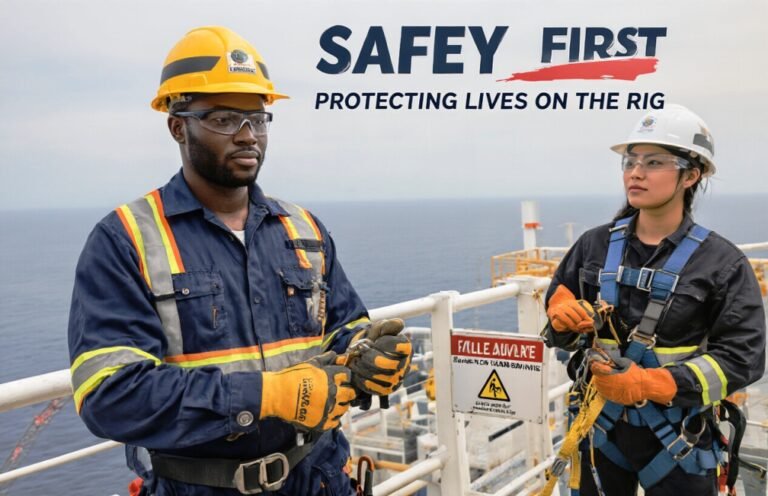
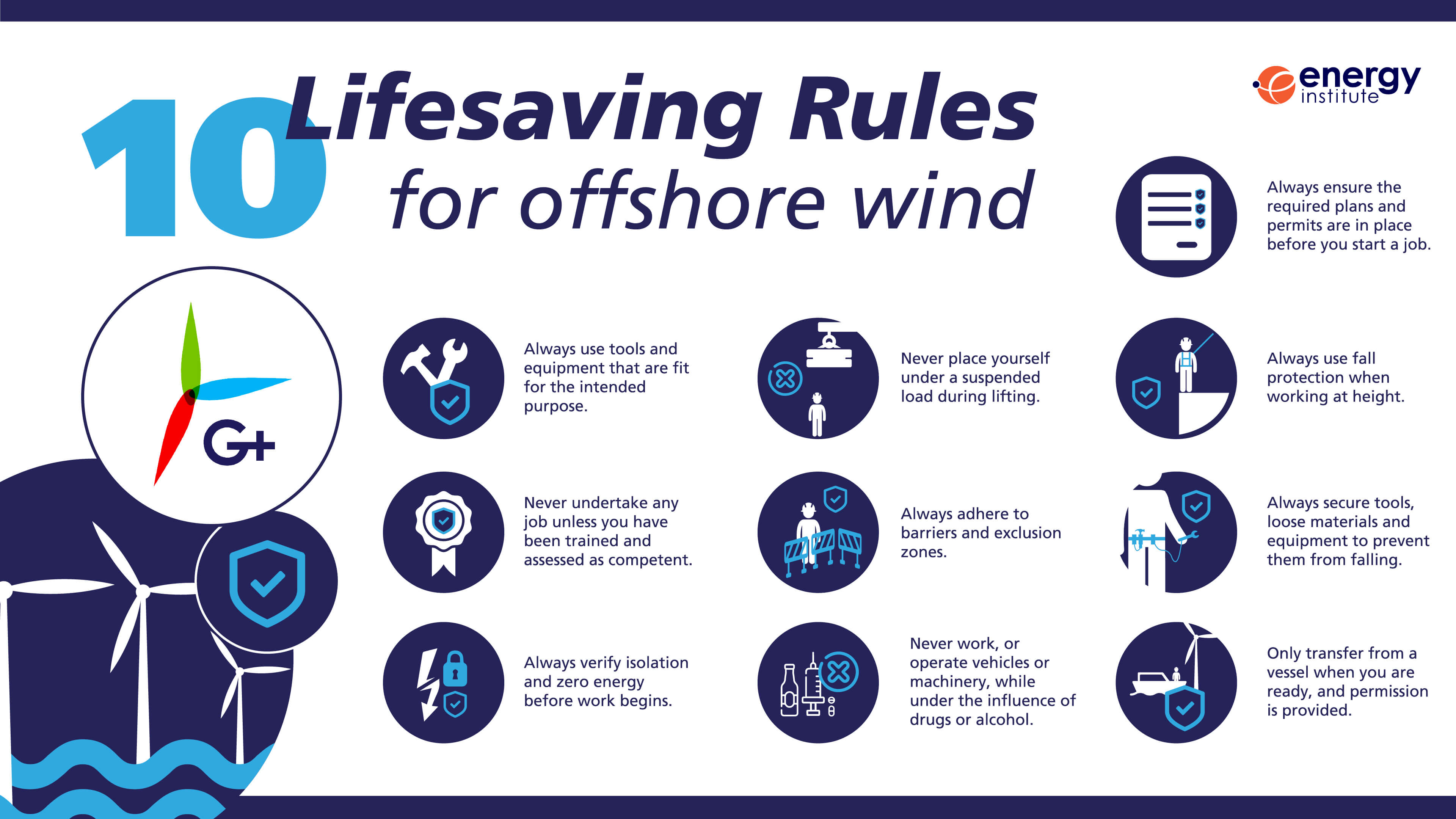
- Safety: Hazard identification, safe work procedures, and personal protective equipment (PPE) that actually fits the harsh offshore environment.
- Environment: Spill prevention, emissions control, and waste management that meet both local and international standards.
Balancing these areas is not a checklist exercise; it’s a cultural commitment that starts at the top and trickles down to every deckhand.
Regulatory Landscape You Need to Navigate
Offshore jurisdictions vary, but a few frameworks dominate.
- The International Maritime Organization’s International Safety Management (ISM) Code sets baseline safety management requirements for vessels.
- In the United States, the Bureau of Safety and Environmental Enforcement (BSEE) enforces rigorous HSE standards for the Gulf of Mexico.
- European waters often follow the EU Offshore Safety Directive, which aligns with the ISO 45001 occupational health standard.
Staying current means tracking amendments, attending industry workshops, and maintaining a compliance calendar that flags audit deadlines well before they arrive.
Risk Assessment: From Theory to Daily Practice
A good risk assessment isn’t a one‑off document; it’s a living tool. Start with a thorough hazard identification session—think blowouts, fire, confined spaces, and corrosive chemicals. Then rate each risk by likelihood and consequence, and assign clear control measures.
What makes offshore risk assessments unique is the need to factor in weather windows, sea state, and the limited evacuation options. Many operators now use dynamic risk matrices that update in real time based on sensor data from the platform.
Training and Competency: The Human Element
Even the best procedures crumble without skilled personnel. Offshore crews undergo a blend of classroom theory, simulator drills, and hands‑on mentorship.
Key training modules include:
- Basic Offshore Safety Induction and Emergency Training (BOSIET)
- Advanced fire‑fighting and leak‑control techniques
- Medical emergency response and remote tele‑medicine basics
Regular refresher courses, competency assessments, and a clear pathway for career progression keep motivation high and skill decay low.
Emergency Preparedness: Planning for the Unthinkable
When a platform experiences a blowout or a severe storm, minutes count. An effective emergency plan outlines clear roles, communication channels, and evacuation routes.
Modern platforms rely on integrated alarm systems that trigger automated shutdowns, activate fire suppression, and notify on‑shore emergency operation centers. Conducting unannounced drills at least twice a year ensures everyone knows their part when real danger strikes.
Technology’s Role in Modern Offshore HSE
Digital tools have turned HSE from a paperwork burden into a data‑driven advantage.
- Wearable sensors track worker vitals and exposure to hazardous gases, sending alerts to supervisors before conditions become unsafe.
- Drones inspect hard‑to‑reach equipment, reducing the need for rope‑access climbs that carry high fall risks.
- Predictive analytics crunch maintenance logs and environmental data to forecast equipment failures before they happen.
Adopting these technologies does require upfront investment, but the payoff often appears as fewer incidents and lower downtime.
Common HSE Challenges and How to Overcome Them
Even seasoned operators hit snags.
- Fatigue management: Rotating shifts, mandatory rest periods, and fatigue‑monitoring apps help keep alertness levels up.
- Supply‑chain compliance: Vetting vendors for HSE performance and requiring third‑party audits prevent unsafe equipment from reaching the rig.
- Cultural differences: Multinational crews bring diverse safety mindsets. Conducting cross‑cultural safety workshops builds a shared language around risk.
Addressing these issues head‑on, rather than hoping they’ll resolve themselves, is the hallmark of a proactive HSE culture.
Measuring Success: Key Performance Indicators
Numbers tell the story. Typical offshore HSE KPIs include Lost Time Injury Frequency Rate (LTIFR), Total Recordable Incident Rate (TRIR), and the number of near‑miss reports per month. Environmental metrics such as oil‑in‑water incidents per 1,000 work hours also feature prominently.
Regularly reviewing these metrics, benchmarking against industry peers, and setting realistic improvement targets keep the program moving forward.
FAQ
What does “Offshore HSE” encompass?
It covers three main areas: worker health (medical monitoring, fatigue management), safety (hazard controls, emergency response), and environmental protection (spill prevention, emissions control) specific to offshore platforms and vessels.
How often should offshore crews undergo safety drills?
Best practice recommends at least two unannounced drills per year, covering fire, evacuation, and blowout scenarios, supplemented by monthly tabletop exercises.
Are drones really useful for offshore safety inspections?
Yes. Drones can quickly assess structural integrity, detect leaks, and monitor high‑risk zones without exposing personnel to heights or confined spaces, thereby reducing potential injury.
What’s the biggest regulator for offshore HSE in the U.S.?
The Bureau of Safety and Environmental Enforcement (BSEE) oversees offshore oil and gas operations, enforcing safety standards, conducting inspections, and issuing permits.