Osteoporosis in Germany: Causes, Symptoms & Treatment
What Triggers Osteoporosis in Germany?
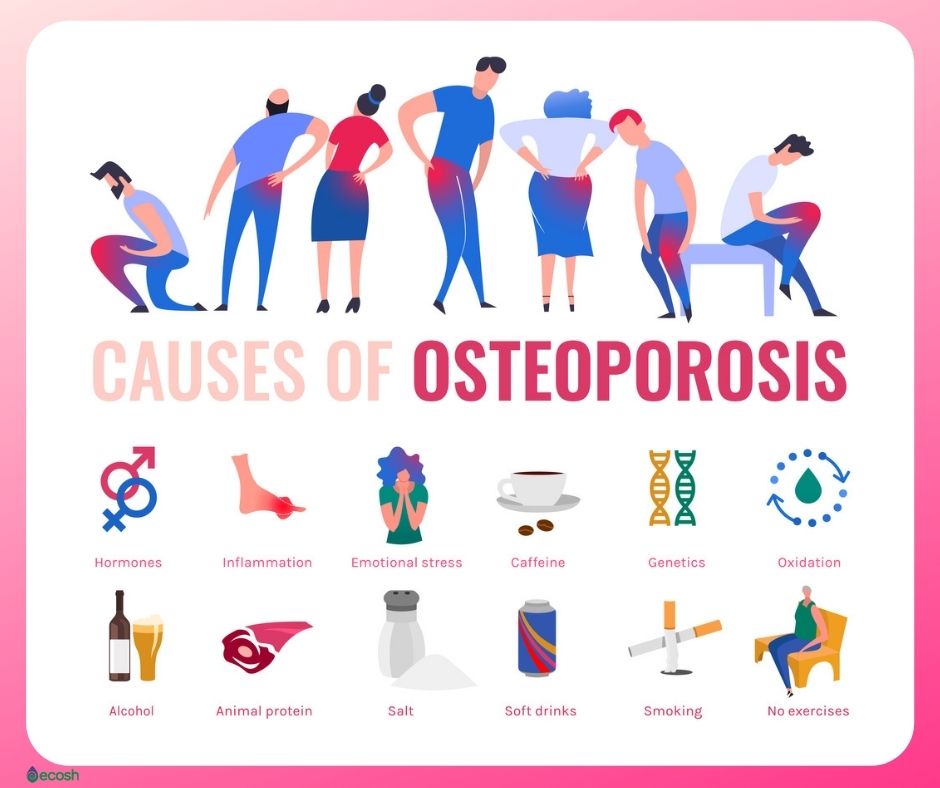
Osteoporosis in Germany, like elsewhere, is rarely the result of a single factor. Age remains the biggest driver—bone density naturally declines after the third decade, and the slowdown accelerates around menopause for women. Dietary habits also play a role; many Germans still fall short of the recommended 1,000 mg of calcium and 20 µg of vitamin D daily, especially during the long winter months when sunlight is scarce.
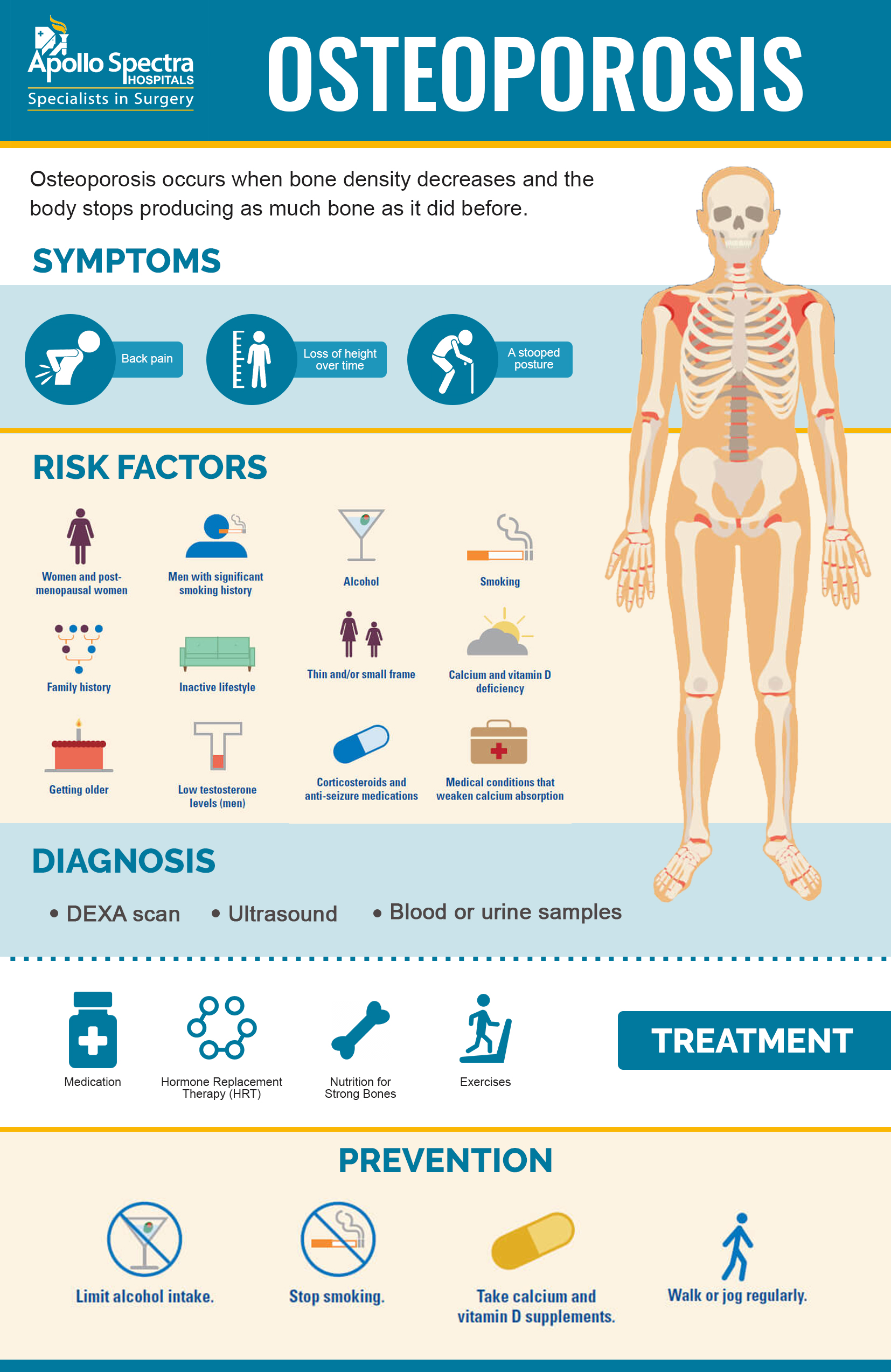
Beyond nutrition, lifestyle choices matter. Sedentary work environments, common in urban centers such as Berlin and Frankfurt, limit the mechanical stress that stimulates bone formation. Smoking, excessive alcohol (more than two drinks per day for men, one for women), and a family history of fractures further tip the balance toward bone loss. Even chronic conditions like rheumatoid arthritis or prolonged glucocorticoid therapy can accelerate the process.
Recognizing the Signs
Unfortunately, osteoporosis often hides behind a veil of “no pain.” Most people discover the disease after a low‑impact fracture—typically a wrist fracture from a minor fall, a vertebral compression causing sudden back pain, or a hip break after a stumble that would not have injured a healthy bone. These events are red flags because healthy bones usually absorb such forces without cracking.
Other clues include a gradual loss of height, a stooped posture, or a persistent dull ache in the lower back. If you notice these changes, especially in someone over 60, it’s worth discussing bone‑density testing with a physician.
How Is Osteoporosis Diagnosed?
The gold standard in Germany is dual‑energy X‑ray absorptiometry (DXA). The scan measures bone mineral density (BMD) at the hip and lumbar spine, yielding a T‑score that compares your bone density to that of a healthy young adult. A T‑score of –2.5 or lower confirms osteoporosis, while scores between –1.0 and –2.5 indicate osteopenia, a precursor state that still warrants attention.
Doctors may also order blood tests to rule out secondary causes—checking calcium, vitamin D, thyroid function, and markers of bone turnover. These results help tailor the treatment plan to the individual’s underlying risk profile.
Treatment Options Available
Managing osteoporosis in Germany blends medication, nutrition, and physical activity. First‑line pharmacotherapy usually starts with oral bisphosphonates such as alendronate or risedronate, which slow bone resorption. For those who cannot tolerate pills or have severe disease, intravenous bisphosphonates or the monoclonal antibody denosumab, given every six months, are common alternatives.
Hormone‑replacement therapy (HRT) may be considered for younger postmenopausal women, but the decision balances bone benefits against cardiovascular and cancer risks. In recent years, anabolic agents like teriparatide—synthetic parathyroid hormone—have entered the German market, offering a way to actually build new bone in high‑risk patients.
Medication alone isn’t enough. Adequate calcium (1,000–1,200 mg daily) and vitamin D (800–1,000 IU) are essential, and many German health insurers cover supplements when a deficiency is documented. Weight‑bearing exercises—walking, light jogging, or resistance training—stimulate osteoblast activity and improve balance, reducing fall risk.
Everyday Steps to Strengthen Bones
- Prioritise dairy, leafy greens, or fortified plant milks to hit calcium goals.
- Spend a few minutes outdoors each day for natural vitamin D; consider a supplement in winter.
- Swap the elevator for stairs; aim for at least 30 minutes of brisk activity most days.
- Include balance‑focused routines like yoga or tai chi to prevent falls.
- Avoid smoking and limit alcohol to moderate levels.
These habits may feel modest, but over years they can shift the bone‑loss curve noticeably. German public‑health campaigns increasingly emphasize “bone‑healthy living” in schools and workplaces, reflecting a growing awareness of osteoporosis as a preventable condition.
When to Seek Professional Help
If you’ve experienced a fracture after a minor fall, notice a sudden change in height, or have a family history of osteoporosis, schedule a DXA scan promptly. Early detection not only guides treatment but also opens doors to physiotherapy programs designed to restore mobility after a fracture.
For anyone on long‑term steroids, managing bone health becomes a parallel priority. Physicians often prescribe bisphosphonates alongside the steroid regimen to counteract the drug’s bone‑weakening effects.
Living with Osteoporosis: Quality of Life Matters
Diagnosis can be unsettling, yet many Germans live full, active lives with the condition under control. Regular follow‑up appointments every 1–2 years allow doctors to monitor BMD trends and adjust therapy as needed. Support groups, both online and through local health centers, provide practical advice—from cooking calcium‑rich meals to selecting safe footwear.
Insurance coverage for osteoporosis‑related physiotherapy and bone‑density scans varies by state, but most statutory health insurers in Germany reimburse a substantial portion of evidence‑based treatments, easing the financial burden for patients.
FAQ
How common is osteoporosis in Germany?
Estimates suggest that around 5 million Germans—roughly 7 % of the adult population—have osteoporosis, with women accounting for about 80 % of cases due to hormonal factors after menopause.
Can men develop osteoporosis?
Yes. While men experience a slower bone‑density decline, factors like low testosterone, chronic illnesses, or prolonged steroid use can lead to osteoporosis in men, typically appearing a decade later than in women.
Is calcium supplementation enough to prevent fractures?
Calcium alone is insufficient. It works best when combined with vitamin D, regular weight‑bearing exercise, and, when indicated, medication. A holistic approach dramatically lowers fracture risk compared with any single measure.
Are there any new treatments on the horizon?
Research in Germany is exploring sclerostin inhibitors and newer anabolic agents that may offer stronger bone‑building effects with fewer dosing inconveniences. While still awaiting broader approval, these therapies show promise for high‑risk patients.