OT Technology in Healthcare: Revolutionizing Medical Practices
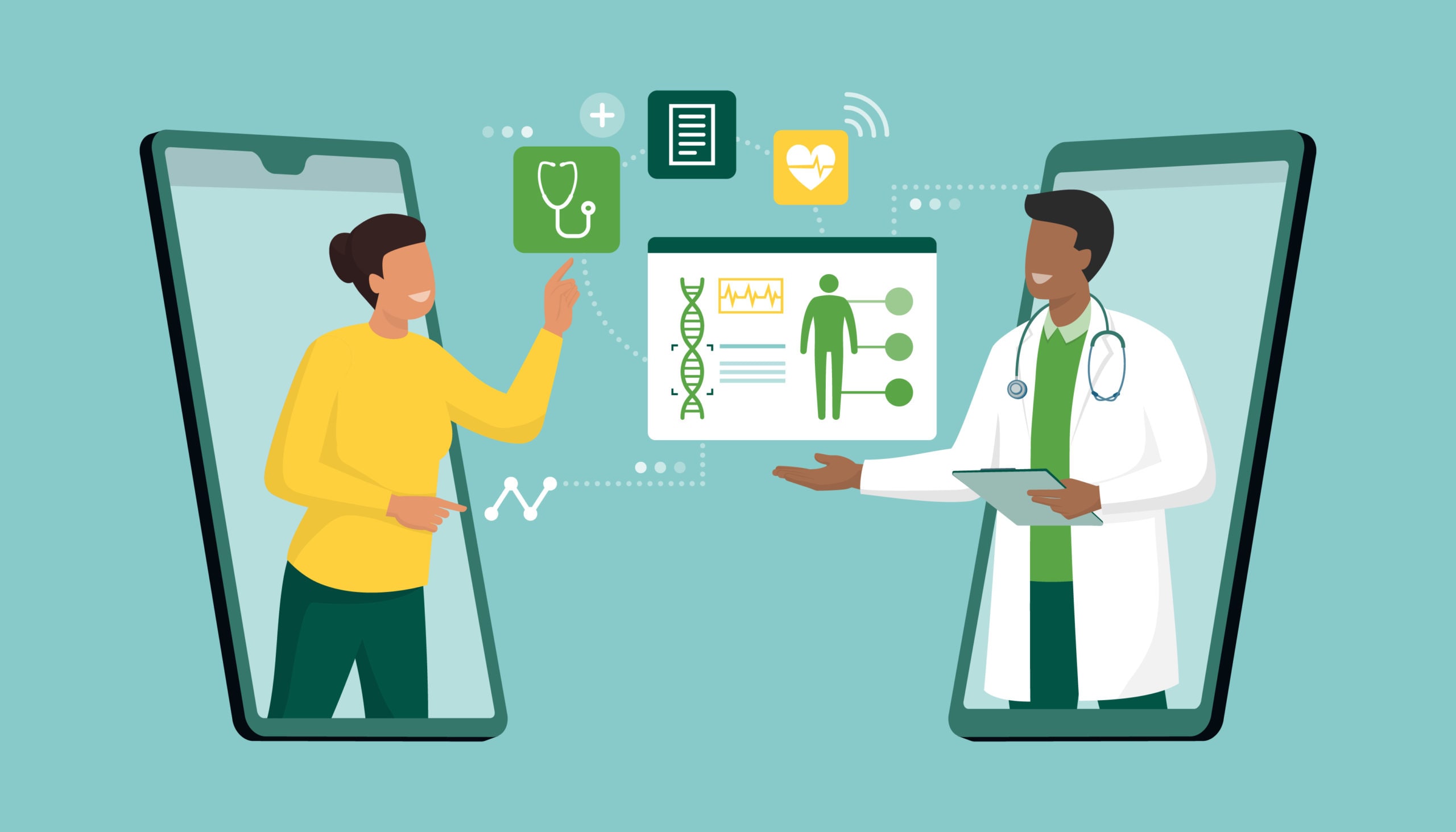
When you first hear “OT technology,” your mind might drift to occupational therapy tools or perhaps a futuristic gadget. In reality, the term now captures a suite of innovations—ranging from wearable sensors to AI‑driven analytics—that are reshaping how doctors, nurses, and allied professionals deliver care. The shift isn’t just about flashier devices; it’s about weaving data into every patient interaction, making treatments more precise, and, frankly, giving clinicians a fresh set of levers to pull.
From Fragmented Data to Real‑Time Insight
Historically, hospital information systems have been a patchwork of lab results, imaging files, and handwritten notes. OT technology changes that landscape by feeding continuous streams of data directly to dashboards that clinicians can glance at during a rounding.
- Wearable biosensors track heart rate, oxygen saturation, and movement 24/7, alerting staff the moment a pattern deviates from the norm.
- Smart infusion pumps adjust drug rates on the fly, using algorithms that factor in patient weight, kidney function, and recent lab values.
- Cloud‑based platforms aggregate these inputs, offering a holistic view that’s updated by the minute.
The result? A bedside conversation that can reference a patient’s trend over the past 72 hours instead of a single static snapshot.
Personalized Care Paths—Beyond One‑Size‑Fits‑All
One of the most exciting promises of OT technology is the ability to tailor treatment plans to the individual’s biology and lifestyle. Imagine a post‑surgical patient whose rehab schedule adapts automatically based on how many steps they’ve actually taken that day, rather than a rigid therapist‑prescribed timetable.
Data scientists are building predictive models that ask questions like: “Will this patient’s blood pressure spike if we increase the dosage by 10%?” The models don’t replace a doctor’s judgment, but they give a safety net of evidence that can be consulted in seconds.
In practice, this means fewer trial‑and‑error adjustments, shorter hospital stays, and—perhaps most importantly—a sense of empowerment for patients who see their own progress quantified in real time.
Challenges on the Path to Adoption
It would be naive to claim every hospital has seamlessly integrated OT technology. There are genuine hurdles that keep some institutions cautious.
Interoperability remains a thorny issue. Legacy electronic health records (EHRs) often speak a different language than newer sensor platforms, forcing IT teams into a costly translation exercise.
Then there’s the human factor. Some clinicians worry that over‑reliance on algorithms could erode bedside intuition. A balanced approach—using technology as a co‑pilot rather than a pilot—seems to be the emerging consensus.
Lastly, privacy considerations cannot be brushed aside. Continuous monitoring generates massive datasets, and safeguarding that information demands robust encryption and clear consent pathways.
Success Stories Worth Noting
While challenges persist, several health systems have already reported measurable gains.
- St. James Medical Center cut average ICU length of stay by 18% after deploying AI‑enhanced ventilator management tools.
- River Valley Clinic saw a 22% reduction in falls among elderly patients thanks to floor‑level motion detectors that trigger gentle alerts to nursing staff.
- A community hospital in Ohio reduced readmission rates for heart failure patients by 15% by integrating wearable weight‑monitoring patches with a telehealth follow‑up platform.
These examples illustrate that the technology isn’t merely theoretical; it’s delivering concrete outcomes when the pieces click together.
The Road Ahead: What to Watch For
Looking forward, a few trends are likely to shape the next wave of OT technology in healthcare.
First, edge computing will push data processing closer to the patient, reducing latency and ensuring critical alerts arrive instantly—even when internet connections are spotty.
Second, the rise of digital twins—virtual replicas of a patient’s physiology—could allow clinicians to simulate how a new medication might affect blood pressure before actually prescribing it.
Third, regulatory bodies are beginning to draft guidelines that specifically address AI‑driven decision support, offering clearer pathways for safe implementation.
If you’re a healthcare leader, the practical step today is to start small: pilot a single sensor platform in one department, gather real‑world evidence, and let the results dictate broader rollout.
Bottom Line
OT technology isn’t a fleeting buzzword; it’s a tangible shift toward data‑rich, patient‑centric care. The journey will involve technical integration, cultural adaptation, and vigilant privacy safeguards. But for those willing to navigate the complexities, the payoff—a more responsive, efficient, and humane medical practice—looks well within reach.