Peak Performance Secrets: Exercise Cycles That Work
When athletes talk about “sports performance exercises,” they’re usually referring to more than just a handful of drills. It’s a blend of strength, power, agility, and endurance work, all stitched together into training cycles that aim to push limits while minimizing burnout. The real trick lies in understanding the hidden secrets that turn a good routine into a game‑changing program.
Designing Effective Sports Performance Exercises
Every sport has its own movement profile, but a handful of exercise categories appear across the board. Think of them as the building blocks for any high‑level athlete:
- Strength foundations – heavy squats, deadlifts, and presses that develop raw force.
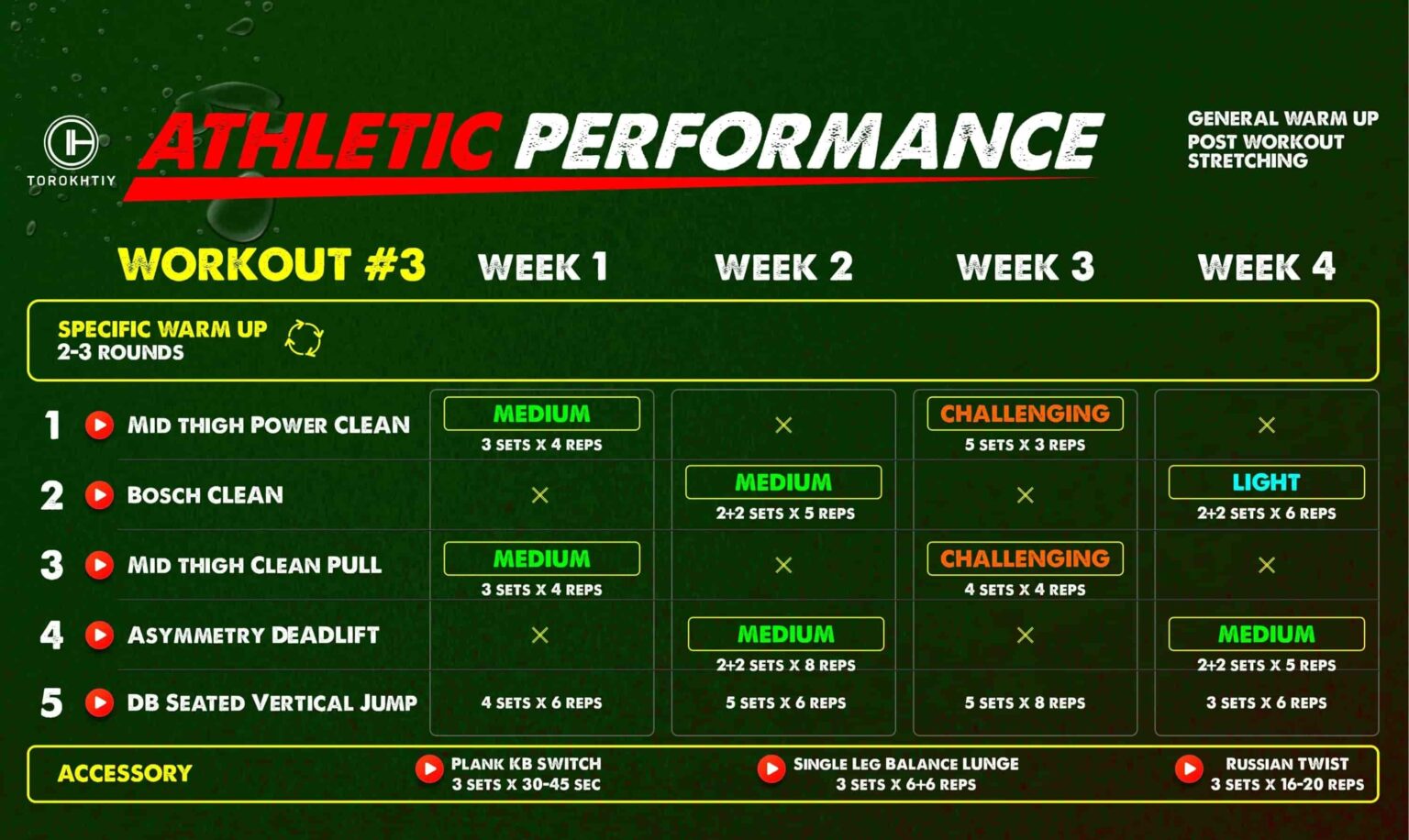
- Power development – Olympic lifts, plyometrics, and medicine‑ball throws that convert strength into speed.
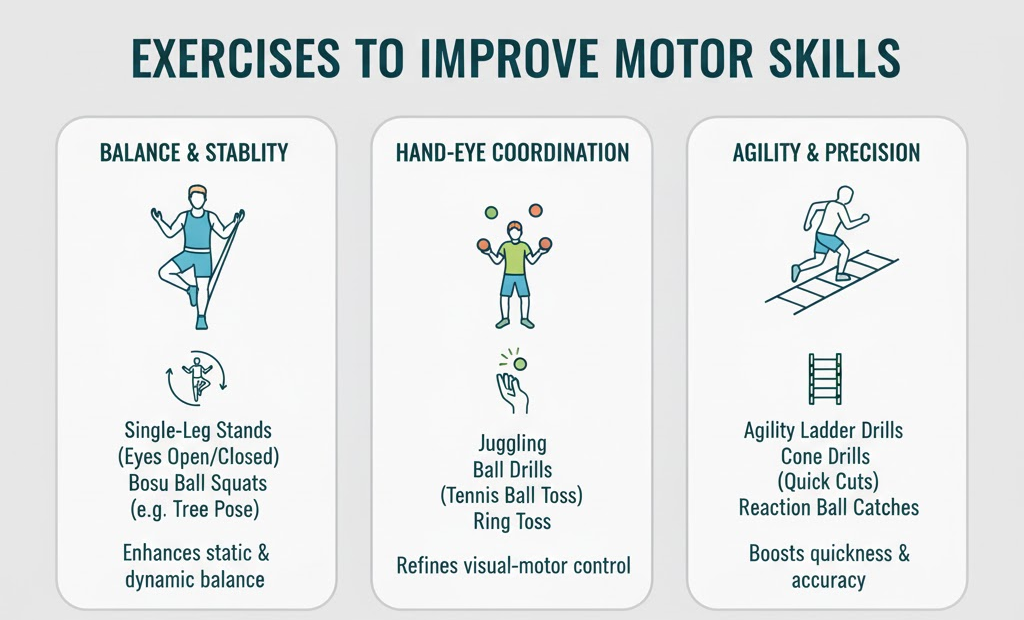
- Agility and coordination – ladder drills, cone shuffles, and reactive sprints that sharpen neuromuscular timing.
- Conditioning circuits – high‑intensity interval training (HIIT) or sport‑specific endurance drills that boost work capacity.
Choosing the right mix depends on the athlete’s position, competition calendar, and individual strengths. A quarterback, for example, may prioritize rotational power and hip explosiveness, while a marathoner leans heavily on aerobic conditioning and muscular endurance.
Why Training Cycles Matter
Imagine trying to run a marathon while simultaneously doing heavy squats every day. The body would quickly hit a ceiling, and injury risk would skyrocket. That’s why coaches break the year into periodized cycles—usually macro, meso, and micro phases—that each serve a distinct purpose.
Macrocycles span the entire season or even a full year, setting the overarching goal (e.g., peaking for the World Championships). Meso‑cycles are 4‑ to 8‑week blocks that focus on a specific quality, such as strength or speed. Finally, micro‑cycles are the week‑to‑week plans that balance load, intensity, and recovery.
This structured approach lets athletes gradually increase stress, then dial back for a recovery window—a process known as “tapering.” Without taper, the body never truly adapts, and performance plateaus.
Hidden Secrets That Accelerate Gains
Beyond the obvious programming principles, several less‑talked‑about factors can dramatically boost results:
1. Individualized Load Monitoring
Using tools like rate of perceived exertion (RPE) or wearable heart‑rate variability (HRV) data helps fine‑tune each session. A runner who feels unusually fatigued might swap a hard interval day for a low‑impact bike session, preserving the overall training stress while avoiding overtraining.
2. Strategic Recovery Modalities
Cold‑water immersion, compression garments, and active recovery drills aren’t just buzzwords—they improve circulation and reduce inflammatory markers, allowing athletes to train harder more often. Even simple practices like a 10‑minute foam‑roll routine before bed can speed up tissue repair.
3. Nutrition Timing
Protein and carbohydrate intake around workouts isn’t optional; it’s a performance lever. Consuming a blend of fast‑acting carbs with 20‑30 g of high‑quality protein within 30 minutes post‑session supports glycogen restoration and muscle protein synthesis.
4. Mental Rehearsal
Visualization and goal‑setting aren’t “nice‑to‑have” extras. Studies show that athletes who regularly rehearse movements in their mind improve motor unit recruitment and reaction times, especially when combined with physical practice.
Putting It All Together: A Sample 8‑Week Cycle
Below is a condensed example of how a mixed‑sport athlete might structure an 8‑week meso‑cycle aimed at boosting power while maintaining endurance:
- Weeks 1‑2 (Foundation): 3 strength sessions (low‑volume, high‑load), 2 conditioning intervals, 1 agility drill.
- Weeks 3‑4 (Intensity Spike): Introduce Olympic lifts, increase plyometric volume, shorten conditioning intervals but raise intensity.
- Weeks 5‑6 (Peak Power): Reduce total volume, focus on speed‑strength complexes, add sport‑specific sprint repeats.
- Weeks 7‑8 (Taper): Cut load by 40 %, emphasize recovery modalities, maintain neuromuscular activation with light technical work.
The key is not just the progression but the intentional drop in volume during the final two weeks—allowing the nervous system to “reset” and the muscles to fully adapt.
Common Pitfalls to Avoid
Even seasoned athletes stumble into traps that sabotage progress:
- Skipping Deloads: Ignoring scheduled lighter weeks leads to chronic fatigue and increased injury rates.
- One‑Size‑Fits‑All Programs: Borrowing a generic template without accounting for individual biomechanics can cause imbalances.
- Neglecting Mobility: Flexibility work is often relegated to “optional” status, yet it underpins safe execution of high‑intensity moves.
Spotting these red flags early saves months of wasted effort.
FAQs
What’s the difference between a meso‑cycle and a micro‑cycle?
A meso‑cycle is a 4‑ to 8‑week block focusing on a specific training quality (strength, speed, etc.), while a micro‑cycle is the weekly plan that details daily workouts, intensity, and recovery.
How often should I incorporate plyometrics?
Most athletes benefit from 2‑3 plyometric sessions per week, spaced at least 48 hours apart to allow tendon recovery. Beginners should start with lower volume and progress gradually.
Can I see performance gains without a formal taper?
Generally, no. A taper reduces cumulative fatigue, allowing physiological adaptations to manifest as measurable performance improvements. Skipping it usually results in flat or declining results during competition.