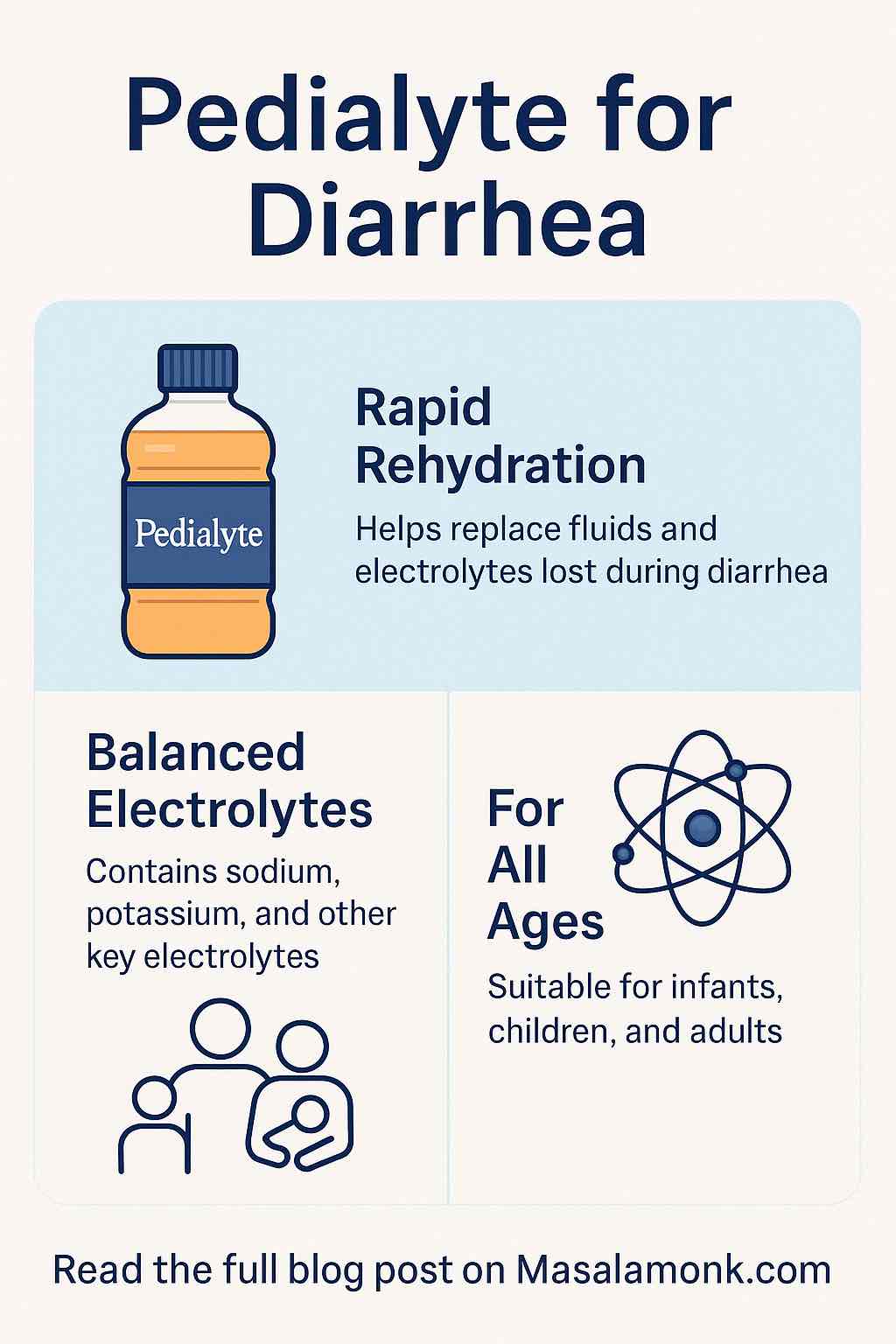
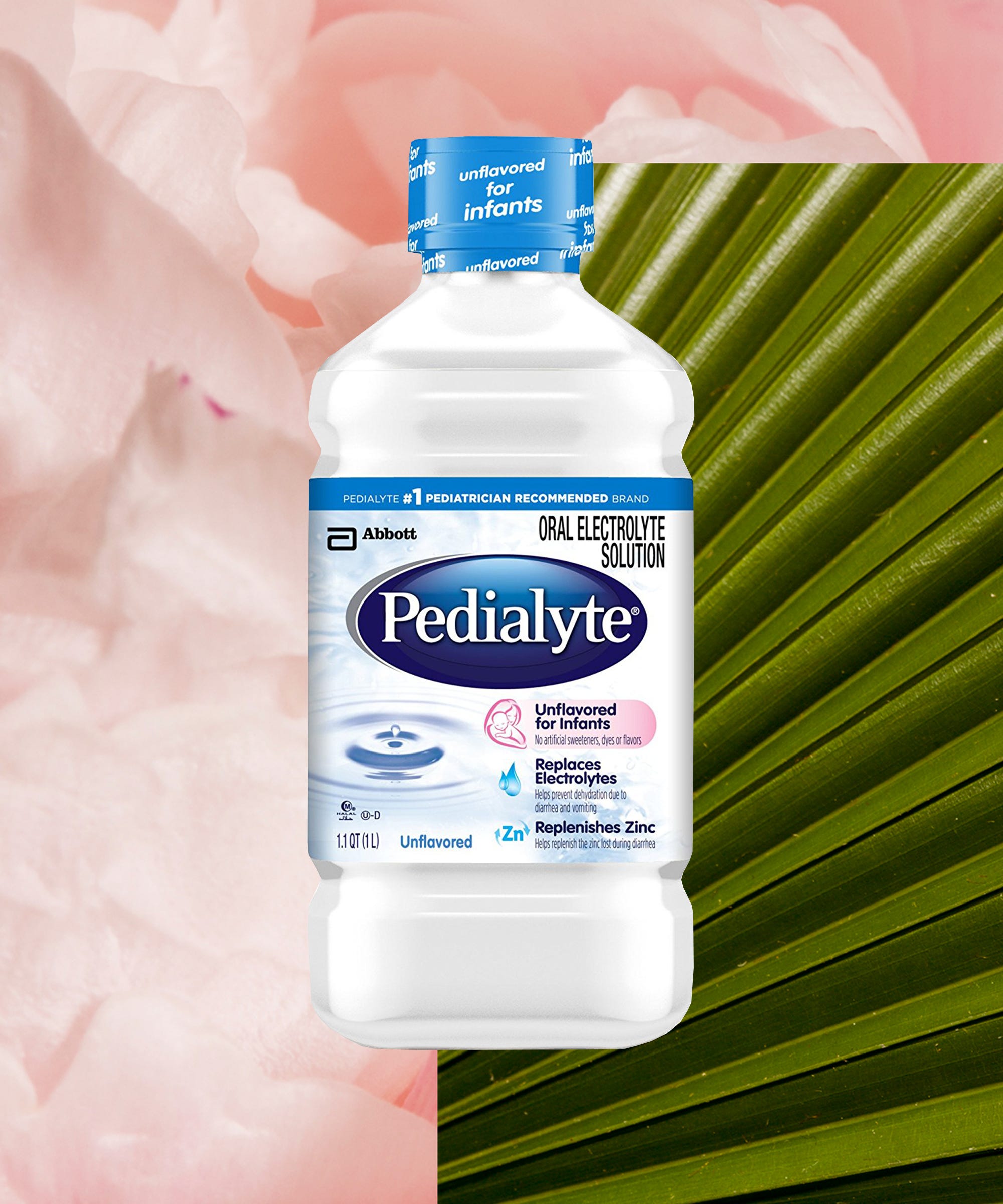
Pedialyte For Adults: Hydration & Benefits Explained
It’s a scenario most of us can picture: you’ve had a rough night out, the hangover is setting in, and you rummage through the medicine cabinet. Usually, it’s rehydrating tablets or a bottle of water that saves the day. But increasingly, that reach extends toward a bright, often colorful bottle labeled for children: Pedialyte.
For decades, this electrolyte solution was synonymous with sick toddlers and nursing wards. If you were an adult drinking it, you were likely raising a few eyebrows. Times have changed. The stigma has evaporated, replaced by a growing understanding of what our bodies actually need when we are dehydrated. It turns out, the science hasn’t changed much since the 1970s, but our attitude toward it certainly has. So, is it just for kids, or is there a solid reason an adult should be sipping on Pedialyte?
The Science Behind the Sip
To understand why this product works, you have to look at what makes hydration effective in the first place. It isn’t just about drinking water. When you lose fluids through sweat, vomiting, or diarrhea, you aren’t just losing H2O. You are losing essential electrolytes like sodium, potassium, and chloride.
This is where the oral rehydration solution (ORS) concept comes in. Pedialyte was designed specifically to help the body absorb fluids more efficiently than water alone. It uses a precise ratio of glucose and sodium. This might sound like drinkable chemistry, but it leverages a natural process in your intestines. The glucose helps transport sodium into the bloodstream, and water follows sodium osmotically. Essentially, it tricks your body into keeping the hydration rather than just flushing it out quickly.
Compared to standard sports drinks, the formulation is quite different. Sports drinks are built for performance, meaning they are loaded with sugar to fuel muscles during high-intensity activity. Pedialyte is built for medical rehydration. It contains significantly less sugar and a higher concentration of electrolytes relative to those sugars. For an adult who isn’t running a marathon but is recovering from a stomach bug, the sports drink approach can sometimes do more harm than good by adding unnecessary calories and potentially worsening diarrhea.
When Should an Adult Reach for Pedialyte?
The primary use case for Pedialyte in adults remains what it always has been: medical dehydration. If you are suffering from the flu, food poisoning, or a severe stomach virus, water often isn’t enough. In these cases, your body is shedding electrolytes at an alarming rate. Replacing them with an ORS like Pedialyte can help you feel better faster than relying on water and salt tablets alone.
However, the “hangover” crowd has also embraced the brand. While Pedialyte isn’t a hangover cure, it addresses the primary physiological cause of one: dehydration. Alcohol is a diuretic, meaning it pulls water out of your body. By replenishing those lost fluids and electrolytes, Pedialyte can alleviate the headache and fatigue associated with binge drinking. It’s not magic, but it is effective biology.
Beyond acute illness, some adults find it useful during extreme heat exposure or intense, long-duration exercise sessions where sweating is profuse. If you are working outdoors in the summer or training for a triathlon, the electrolyte balance becomes critical. In these high-stress scenarios, the low-sugar profile of Pedialyte means you get the hydration benefits without the sticky, sugary aftermath of traditional energy drinks.
Nutrition and Taste: What to Expect
One of the biggest hurdles for adults trying Pedialyte for the first time is the taste. Because it was originally designed for children, the flavor profiles can be... distinct. If you have sensitive taste, the fruity flavors might seem overly sweet or even medicinal. The unflavored versions exist, but they have a unique, slightly salty sweetness that not everyone acquires a taste for immediately.
Nutritionally, it is quite clean. A typical serving contains no fat, no protein, and minimal calories, most of which come from simple sugars necessary for the absorption process. This makes it a neutral option for those who are nauseous and can’t handle solid food. It sits easily in the stomach, which is a significant advantage when dealing with gastrointestinal distress.
It’s important to note that Pedialyte is not a meal replacement. It lacks the macronutrients needed for sustained energy during physical exertion other than the immediate relief of dehydration. You shouldn’t drink it as your primary beverage throughout a normal day. It’s a tool for specific situations, not a daily water alternative.
Is It Safe for Everyone?
For the vast majority of healthy adults, Pedialyte is safe and effective. However, there are a few caveats. Because it contains sodium, people with specific medical conditions like hypertension or kidney disease should consult their doctor before making it a regular part of their diet. The sodium content, while beneficial for hydration, can be problematic for those who need to restrict it.
Additionally, those with diabetes need to be mindful of the glucose content. While it is lower than sports drinks, it is still present. There are now variations in the market, such as Pedialyte Sport, which cater to different needs, but the classic formula is not zero-sugar. Always read the label carefully if you have dietary restrictions.
FAQ
Can I drink Pedialyte every day?
Generally, no. Pedialyte is designed for acute dehydration. For daily hydration, water is best. Daily consumption of electrolyte solutions can disrupt your body’s natural balance of minerals if you are not losing fluids excessively through sweat or illness.
What is the difference between Pedialyte and Gatorade?
Pedialyte is an oral rehydration solution with less sugar and more electrolytes, designed to replace fluids lost due to illness. Gatorade is a sports drink with more sugar, designed to provide energy during athletic performance. For a sick adult, Pedialyte is usually the better choice.
Does Pedialyte actually work for hangovers?
It helps with the dehydration aspect of a hangover. It will not neutralize alcohol or cure other symptoms caused by alcohol toxicity, but it effectively replenishes the fluids and electrolytes that alcohol depletes, potentially reducing headache severity and fatigue.
Is Pedialyte better than water?
It depends on the context. For a healthy, hydrated person, water is sufficient and preferred. For someone who is vomiting, has severe diarrhea, or has engaged in extreme sweating, Pedialyte is more effective at retaining hydration than water alone.