Pension Calculator: How to Secure Your Retirement Future
Retirement planning often feels like trying to solve a complex math problem while the variables change every time you blink. Inflation creeps up, market returns fluctuate, and life expectancy tends to increase just when you think you have it all figured out. It is easy to feel overwhelmed by the sheer number of unknowns. However, you do not need a degree in actuarial science to get a handle on your financial future. You just need the right tools. A pension calculator serves as that critical starting point. It transforms vague anxieties into concrete data, allowing you to see exactly where you stand and what steps are necessary to bridge the gap between your current savings and your desired lifestyle.
Why Gut Feelings Are Not Enough
Most people have a rough idea of how much money they have saved for retirement. They know their superannuation balance or their 401(k) figure. But knowing the current number is only half the battle. The real challenge lies in projecting that number across twenty, thirty, or even forty years into the future. Human intuition is notoriously bad at compounding interest and inflation adjustment. We tend to underestimate how small, consistent contributions grow over time and overestimate how quickly we will burn through our savings.
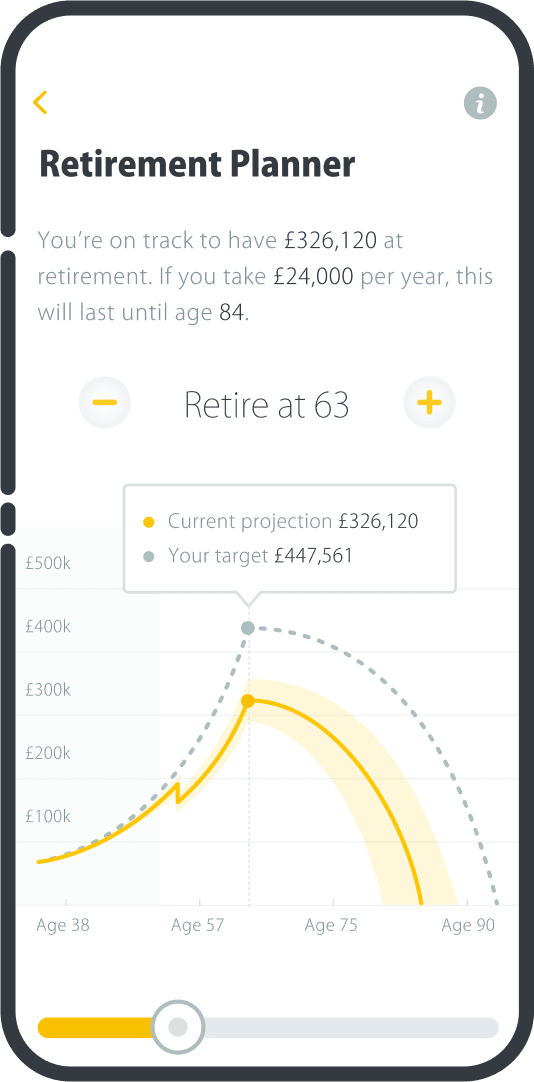
A pension calculator removes the emotion and guesswork from the equation. By inputting specific data points—such as your current age, expected retirement age, current savings, and monthly contributions—you get a projected outcome based on realistic assumptions. It forces you to confront the reality of your financial trajectory. If the projection looks bleak, it is better to face that truth now than five years from today when catching up is significantly more difficult. It turns a passive worry into an active plan.
Key Variables That Shape Your Projection
To get accurate results from any pension calculator, you need to understand the inputs. These are not just random numbers; they are levers you can pull to change your outcome. The most critical variables usually include:
- Current Age and Retirement Age: Time is your most powerful asset. Starting earlier allows compound interest to do the heavy lifting. Delaying retirement by just two or three years can drastically increase your final balance while reducing the number of years your savings need to last.
- Annual Return Rate: This is often the most debated number. It represents the average annual growth of your investments. Being overly optimistic here can lead to unpleasant surprises. Most financial advisors suggest using a conservative estimate, typically between 4% and 7%, depending on your risk tolerance and market conditions.
- Inflation Rate: A dollar today is worth more than a dollar in twenty years. Inflation erodes purchasing power. A good calculator will adjust your future needs for inflation, ensuring that your $50,000 annual income in retirement actually buys $50,000 worth of today’s goods and services.
- Contribution Levels: This includes both what you contribute and, crucially, what your employer matches. Employer matches are essentially free money. Failing to contribute enough to get the full match is like leaving money on the table. Increasing your contribution rate, even by small increments, can have a compound effect over decades.
Interpreting the Results Without Panic
Once you have run the numbers, you will likely get one of two results: you are on track, or you are not. If you are on track, congratulations. Use this as validation to keep doing what you are doing. Resist the urge to become overly conservative with your investment strategy just because you feel "safe." You still need growth to outpace inflation.
If the calculator shows a shortfall, do not panic. This is the point where the tool becomes most valuable. It highlights the gap, but it also helps you identify which lever to pull. Can you increase your monthly contributions? Can you delay retirement by a year? Can you adjust your investment mix to seek slightly higher returns (if your risk tolerance allows)? Often, a combination of small adjustments in multiple areas can close the gap without requiring drastic lifestyle changes. The goal is not to achieve a perfect number overnight but to create a realistic roadmap that gets you closer every month.
Limitations of Pension Calculators
While incredibly useful, it is important to remember that these tools are models, not crystal balls. They rely on average historical data and assumed future trends. They cannot predict market crashes, sudden changes in tax law, or unexpected health emergencies. They also generally assume a linear investment path, whereas real markets are volatile. Use the calculator as a guide, not a guarantee. It is best to review your projections annually or whenever major life events occur, such as marriage, children, or a career change. Reassessing your assumptions ensures that your plan remains relevant to your actual situation.
Taking Action Today
The most significant step in securing your retirement future is simply starting. Do not wait for the "perfect" time to review your finances or adjust your contributions. Log into your pension account, gather your current statements, and plug the numbers into a reliable calculator. The clarity you gain is worth far more than the few minutes it takes to input the data. By understanding where you stand, you take control of your financial narrative. You move from hoping for a comfortable retirement to engineering one. Your future self will thank you for the proactive steps you take today.
Frequently Asked Questions
How often should I update my pension calculator projections?
It is wise to review your projections at least once a year. You should also run the numbers after any major life events, such as a job change, a significant increase in income, or changes in your family structure. This ensures your assumptions remain aligned with your reality.
What is a realistic annual return rate to use?
This depends on your investment asset allocation. A balanced portfolio might historically average 5-7% before inflation. It is generally safer to use a conservative estimate to avoid over-optimism. If you are younger and can tolerate more risk, you might use a slightly higher figure, but always have a contingency plan if markets underperform.
Can I change my retirement age in the calculator?
Yes, and you should. Changing your target retirement age is one of the most effective ways to improve your outcome. Delaying retirement increases your savings accumulation time and decreases the duration your funds need to last, often resulting in a significantly higher final balance and monthly income.
Does the calculator account for government pension benefits?
Many advanced calculators allow you to input expected government pension benefits, such as Social Security or the Age Pension. Including these benefits provides a more accurate picture of your total retirement income, though rules and eligibility can change, so verify the current policy details before relying on these figures.