Police Shotgun Training: Mastering The Tactical Shotgun
Nothing quite tests a law enforcement officer’s nerve like the sight of a shotgun. For decades, this weapon has been the backbone of tactical entries and high-risk operations. But in the modern policing landscape, the role of the shotgun is shifting. It is no longer just about brute force or breaching doors. Today, it is about precision, control, and applying the right level of force in split-second decisions. If you are looking to understand police shotgun training, you need to know that it is no longer just about pulling the trigger. It is about mastering the tactical shotgun in a way that protects both the officer and the community.
The Evolution From Crowbar to Precision Tool
Gone are the days when the shotgun was primarily a "door-kicker." While ballistic breaching remains a critical skill, the tactical shotgun has evolved into a versatile platform for less-lethal and precise lethal force options. Modern police departments are moving away from the old "spray and pray" mentality. Instead, they focus on single-round accuracy and the responsible use of specialized ammunition.
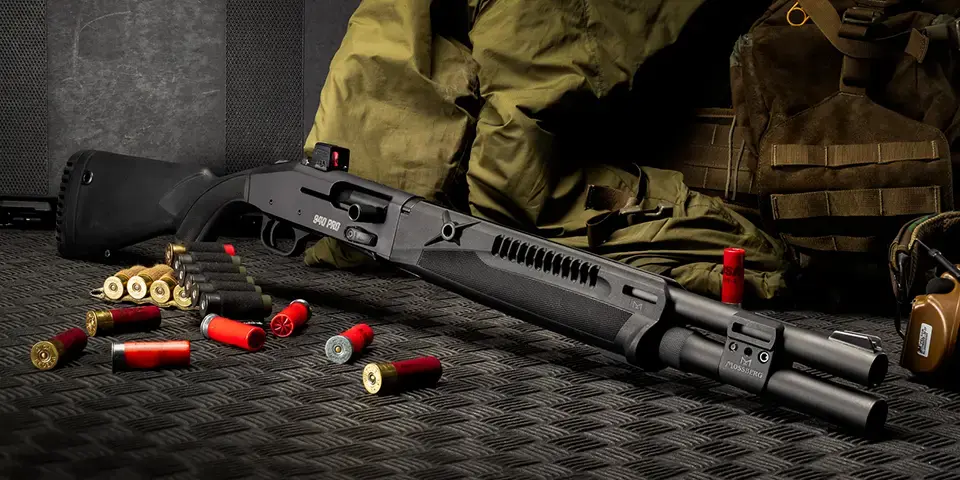
This shift requires a different kind of training. Officers must understand ballistics, tissue damage, and the legal implications of using different rounds. The 12-gauge pump-action remains popular for its reliability, but semi-automatic models are gaining ground for faster follow-up shots. Regardless of the platform, the foundational skills remain the same: grip, stance, and trigger control.
Core Fundamentals: Beyond the Basics
Mastering the tactical shotgun starts with the basics, but with a tactical twist. You cannot rely on muscle memory alone. You must train under stress. Here are the key components of effective shotgun training:
- The High-Ready Position: Unlike rifles, shotguns are often carried in the "high-ready" or "port-arm" position to keep the muzzle clear of civilians and allies. Transitions from this position to the firing position must be instantaneous.
- Muzzle Awareness: The shotgun’s wide bore makes muzzle discipline critical. One slip can cause catastrophic injury to bystanders or unsuspecting suspects. Training emphasizes keeping the barrel pointed in a safe direction at all times.
- Rapid Target Acquisition: Shotguns are typically used at close quarters. Officers must learn to acquire targets quickly without excessive aiming. Point shooting techniques are often incorporated into modern curricula.
Ammunition Selection: The Legal And Tactical Balance
One of the most complex aspects of police shotgun training is ammunition selection. The "right" round depends entirely on the situation. Using the wrong ammo can lead to excessive force lawsuits or failed stops.
Common options include:
- 00 Buckshot: The standard for lethal force. It offers a wider hit probability than slugs but can over-penetrate.
- Less-Lethal Rounds: Bean bags or rubber bullets are useful for crowd control or stopping aggressive suspects without causing fatal injury. However, these require precise aim to avoid severe injury.
- Slug Rounds: Used for longer-range engagements or penetrating barriers. Accuracy is higher, but the margin for error is smaller.
Officers must be trained to switch between these types quickly. Many modern shotguns allow for quick reloads with pre-loaded magazines or speed loaders, enabling an officer to transition from less-lethal to lethal rounds if a suspect escalates.
Dynamic Scenarios: Training Under Stress
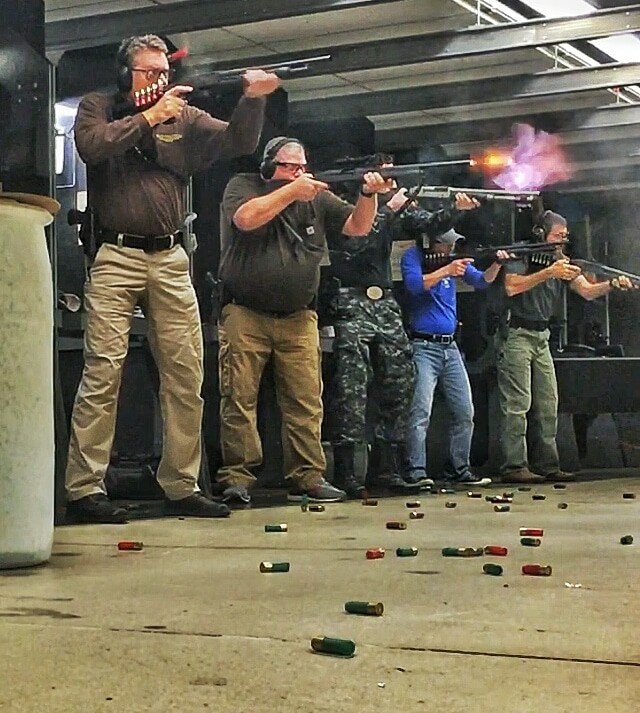
Range drills are essential, but they do not replicate the chaos of a real incident. Effective tactical shotgun training involves scenario-based exercises. These drills simulate high-stress environments, such as active shooter situations, hostage rescues, or barricaded suspects.
In these scenarios, officers practice:
- Movement and Cover: Using the shotgun effectively while moving behind cover.
- Lighting and Low Visibility: Operating in the dark or with tactical lights mounted on the shotgun.
- Decision Making: Recognizing when to fire, when to hold fire, and when to de-escalate.
The goal is to build muscle memory so that when adrenaline spikes, the officer’s actions remain deliberate and legally defensible.
Maintenance And Reliability: The Unsung Heroes
A tactical shotgun is only as good as its maintenance. Sand, dirt, and moisture can clog action mechanisms. Regular cleaning and lubrication are non-negotiable. Officers must be trained to field-strip and clean their weapons quickly, even in the field.
Reliability checks are part of daily prep. This includes testing the function of the trigger, safety, and loading mechanism. A jammed shotgun in a high-risk situation is a fatal error. Training programs emphasize troubleshooting common malfunctions, such as failure to eject or feed.
Legal And Ethical Considerations
Training is not just physical. It is also intellectual. Officers must understand the legal standards governing the use of force. The Supreme Court’s Tennessee v. Garner decision sets the standard for deadly force. Officers must be able to articulate why they used the shotgun and why other options were insufficient.
This involves regular review of case law, departmental policies, and use-of-force continua. Debating legal scenarios helps officers develop the critical thinking skills needed to make sound decisions under pressure.
Future Trends: Technology Integration
The future of police shotgun training looks promising. Technology is enhancing traditional methods. Simunition and laser-based training systems allow for realistic, low-cost scenario training. Officers can practice shooting in simulated environments without the risk of live fire.
Additionally, body-worn cameras are changing the landscape. Officers know their actions are recorded, which encourages stricter adherence to protocol. Training now includes camera awareness, ensuring that officers document their actions clearly for post-incident review.
Conclusion
Mastering the tactical shotgun is a continuous process. It requires dedication, practice, and a deep understanding of both the weapon and the law. As policing evolves, so too must the training methods. By focusing on precision, legality, and stress inoculation, departments can ensure their officers are prepared for the challenges of modern law enforcement.
FAQ
What is the most common shotgun used by police?
The Remington 870 and Mossberg 500 series are the most common police shotguns. Both are pump-action 12-gauges known for their durability and reliability.
How often should police shotgun training occur?
Most departments require quarterly or bi-annual shotgun qualification. However, best practices suggest more frequent, scenario-based training to maintain proficiency.
Can civilians use police shotgun training techniques?
Yes, many fundamentals like grip, stance, and safety are universal. However, less-lethal ammunition and specific tactical breaching techniques may be restricted or require specialized equipment.
Is the shotgun being phased out in policing?
While some departments are reducing shotgun usage in favor of rifles for long-range precision, the shotgun remains vital for close-quarters combat, breaching, and less-lethal options. It is not being phased out, but its role is becoming more specialized.