Professional Ping Pong Equipment: A Comprehensive Guide for Serious Players
If you’ve been playing table tennis for a while, you probably realize that the colorful, plastic paddles from a family game night don’t cut it when you start taking the sport seriously. There is a massive difference between casual recreational gear and professional table tennis equipment. Getting the right setup isn’t just about looking cool; it’s about control, spin, and speed. For many players, upgrading to professional-grade gear feels like unlocking a new level of play.
But walking into a specialty store or browsing online can be overwhelming. The jargon gets tricky fastWhat exactly does "tensor rubber" mean? And why do some players use one paddle and others use two completely different ones? Let’s break down the essential components of professional ping pong equipment so you can build a setup that actually suits your style.
The Blade: The Heart of Your Setup
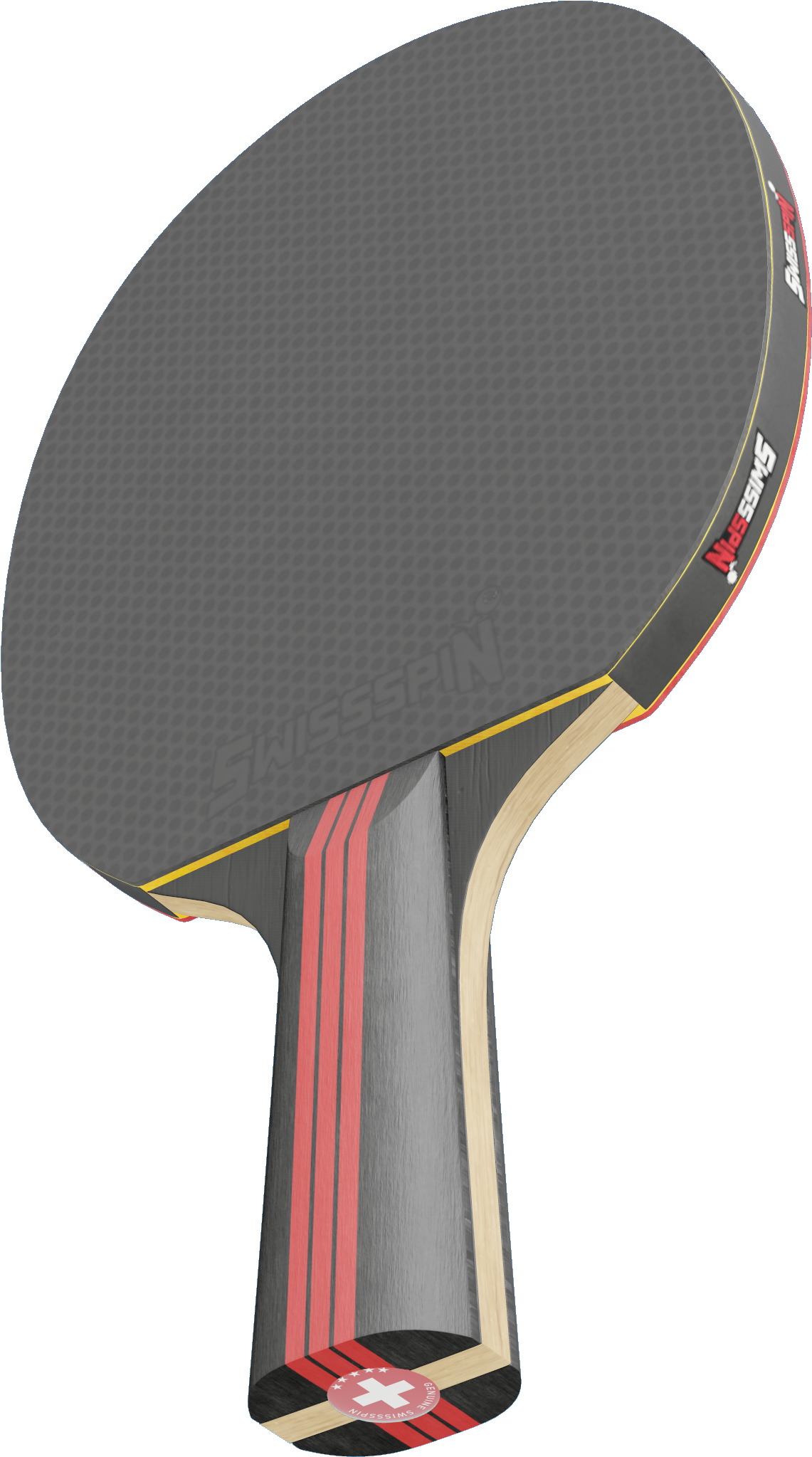
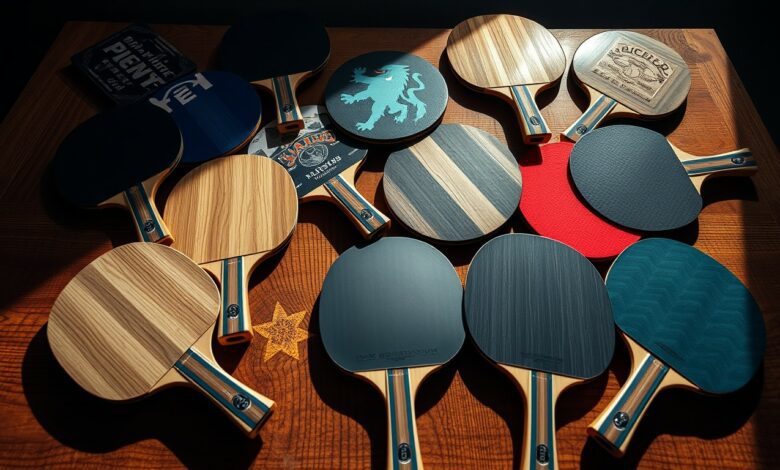
Before worrying about rubber, you need to understand the blade. The blade is the wooden core of your paddle, and it dictates the fundamental feel of your shot. Professional blades are rarely just a single piece of wood. Most consist of several layers of timber, sometimes mixed with carbon fiber or other composite materials.
Blades are generally categorized by their speed and control characteristics. You’ll often hear players talk about "offensive," "all-round," or "defensive" blades. An offensive blade tends to be stiffer and faster, allowing you to generate massive power with less effort. However, it can be unforgiving if your stroke mechanics aren’t perfect. An all-round blade offers a smoother balance, giving you enough speed for attacks but enough dwell time (the time the ball stays on the rubber) to maintain control during rallies.
Material matters significantly here. Pure wood blades are known for their consistent feedback and traditional feel. They’re great for developing pure touch and spinning rallies. Composite blades, which include layers of carbon fiber or arylate, are lighter and stiffer. They provide explosive speed, which is why many modern top-tier players favor them. If you are just transitioning from recreational play, a five-layer pure wood blade is usually the safest and most educational starting point.
Rubber: Where the Magic Happens
If the blade is the heart, the rubber is the engine. This is where you generate spin and control the ball’s trajectory. Professional rubbers are complex chemical formulations, and choosing the right one is arguably more important than picking a blade.
There are two main categories of rubber you’ll encounter: tensor and non-tensor. Traditional non-tensor rubbers rely on the topsheet material for performance. Tensor rubbers, popularized in the early 2000s, have a pre-stretched sponge layer that provides extra catapult effect. This means the ball leaves the paddle faster, even with lighter contact. It’s a game-changer for loop drives and serves.
You also need to consider the stickiness of the rubber. European-style rubbers are typically non-grippy and fast, relying on sponge compression. Asian-style rubbers, often made by brands like DHS, are sticky on the surface. This stickiness allows you to "catapult" the ball with incredible spin, especially on short serves and pushes, but they can feel heavier and slower if you don’t use enough force.
Pairing a sticky rubber on your forehand for spin and a tensor rubber on your backhand for speed is a very common professional configuration. It gives you versatility without compromising too much on either front.
Handle Types and Comfort
It might seem minor, but the handle type dictates your grip, which influences your wrist movement. There are two primary types: Shakehand and Penhold.
The shakehand grip is what most Western players use. It mimics shaking hands with the paddle and allows for powerful strokes and easy transitions between forehand and backhand. The penhold grip, common in Asian countries, allows for incredible wrist flicks and powerful forehand loops, though it can leave the backhand side vulnerable unless you use specific techniques like the Rikhther backhand.
Within shakehand, you have flared, straight, and anatomical handles. Flared handles provide a solid stop for your fingers, offering more stability for heavy hitters. Straight handles allow for more wrist flexibility, which is popular among players who like to flick their wrist for varied spin. Try different grips; your hand should feel secure but not cramped.
Balls and Table Surfaces
While not part of your "equipment" in the same way as a paddle, the ball and table matter for serious practice. Professional matches use 40+ plastic balls, which are slightly larger and lighter than the old celluloid balls. They spin less and float more, requiring players to hit with more pace to keep the rally going.
If you’re practicing at home, ensure your table has a matte surface. Glossy tables create unpredictable bounces and can wear down your rubber inconsistently. A proper tournament table provides true bounce every single time, which is crucial for developing muscle memory.
FAQs About Professional Gear
Do I need to buy a pre-assembled paddle or assemble my own?
For serious improvement, always assemble your own. Pre-assembled paddles are glued together cheaply and use generic rubber that loses its performance quickly. Setting up your own allows you to mix and match rubbers to suit your specific strengths.
How often should I replace my rubber?
It depends on usage. Competitive players might replace their rubber every six months to a year due to regular use and cleaning with adhesives. Hobbyists might get two to three years out of a sheet. Replace it when it stops bouncing off the floor consistently or feels slick regardless of cleaner.
Is expensive equipment worth it for a beginner?
Not entirely. While better gear helps, your technique is the limiting factor. Invest in a decent mid-range blade and rubber first. As your skills evolve, you’ll know exactly what performance traits you’re missing, making your high-end purchases much more effective.
How do I maintain my table tennis equipment?
Always remove the protective film before playing! Clean your rubber with specialized water-based cleaners or a damp cloth to remove sweat and dust. Avoid using household chemicals. Store your paddles in a protective case to prevent the rubber from deforming or melting in extreme heat.