Real‑World Physics: How Kinetic Energy Powers Everyday Life
When you watch a child’s toy car zoom across a carpet or feel the wind rush past a cyclist, you’re witnessing kinetic energy in action. It’s the invisible engine behind everything that moves, from a humming refrigerator to a soaring jet. Let’s explore some concrete examples that show how this form of energy shapes the world around us.
Understanding Kinetic Energy in Simple Terms
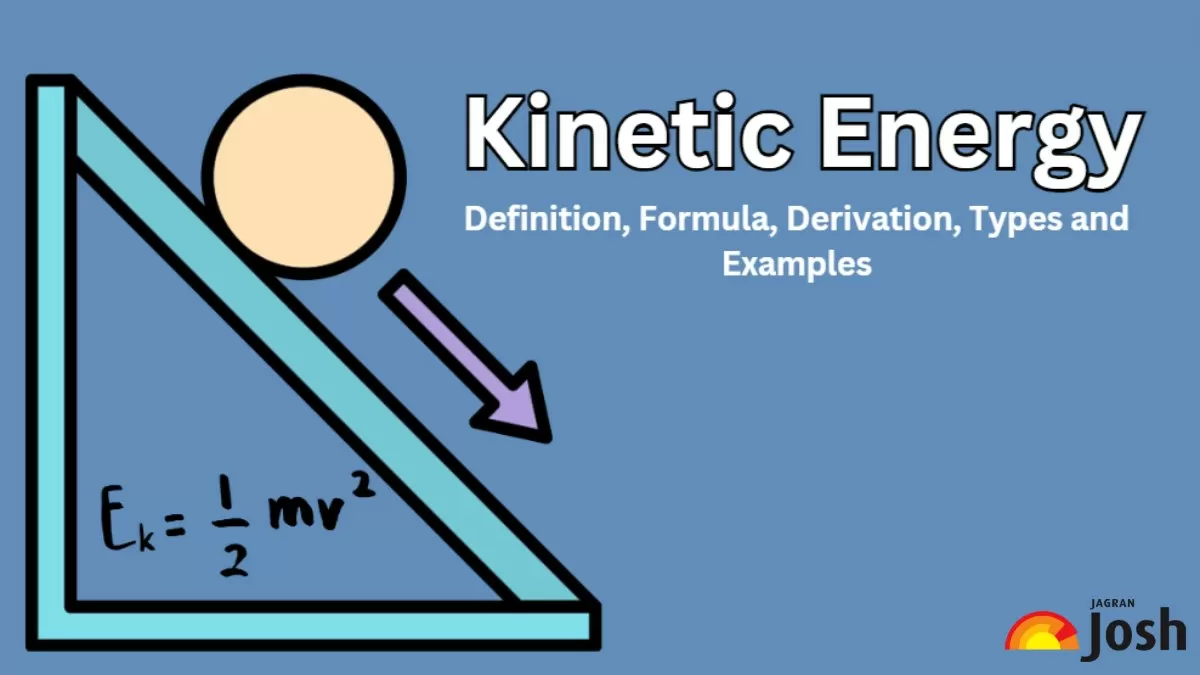
At its core, kinetic energy is the energy possessed by an object because of its motion. Mathematically it’s expressed as ½ mv², where m is mass and v is velocity. The faster something travels—or the heavier it is—the more kinetic energy it carries. This principle underpins everything from tiny particles bouncing in a gas to massive freight trains barreling down a track.
Everyday Scenes That Harness Motion Energy
- Rolling dice – A quick flick gives the dice kinetic energy, which then dissipates as they tumble and finally settle.
- Opening a door – Swinging the handle imparts motion to the latch, letting the door swing open with just a touch.
- Water flowing from a faucet – The stream’s speed translates into kinetic energy that can be captured by a small turbine for household power.
Each of these moments seems trivial, yet they perfectly illustrate how motion translates into usable energy, even if the effect is fleeting.
Kinetic Energy on the Road: Cars, Bicycles, and Trains
Transportation is perhaps the most visible arena for kinetic energy. A car’s engine converts chemical energy from fuel into motion, giving the vehicle a massive kinetic reservoir that can be reclaimed through regenerative braking. Cyclists rely solely on human‑generated kinetic energy, which they can store briefly in a spinning flywheel or a gear‑driven hub generator.
Trains take the concept to a larger scale. When a locomotive accelerates, the massive steel cars accumulate an immense amount of kinetic energy. Modern high‑speed trains often use regenerative systems—similar to those in electric cars—to feed part of that energy back into the grid during deceleration, improving overall efficiency.
Sports: The Dance of Speed and Mass
In athletics, kinetic energy is both the goal and the obstacle. A sprinter’s explosive start puts a huge burst of motion energy into their legs, which then translates into forward speed. A baseball pitcher throws a ball at over 90 mph, storing kinetic energy that may later be released as a home run if the batter connects perfectly.
Even slower sports benefit. A golfer’s swing imparts kinetic energy to a ball, while a skier converts potential energy from a hill’s height into kinetic energy as they glide down. The balance between retaining and shedding this energy determines performance and safety.
Industrial Applications and Energy Generation
Factories harness kinetic energy in more controlled ways. Conveyor belts move products, while rotating machinery—like turbines and compressors—use kinetic motion to drive processes. In many modern plants, waste heat panels spin a turbine, converting the kinetic energy of expanding steam into electricity, thereby reclaiming energy that would otherwise be lost.
Renewable sources illustrate the principle on a massive scale. Wind turbines capture the kinetic energy of moving air, turning blades that spin a generator. Similarly, wave energy converters bob up and down with ocean swells, converting the kinetic motion of water into usable power.
Everyday Gadgets Powered by Motion
Small devices often hide kinetic mechanisms we rarely notice. Automatic watches contain a rotor that swings with wrist movement, winding the mainspring. Hand‑crank flashlights, popular for emergency kits, store kinetic energy in a spring that later powers an LED. Even some kitchen mixers use the motion of a built‑in flywheel to smooth out power delivery.
These examples show that kinetic energy isn’t limited to grand engineering feats; it thrives in the micro‑devices that keep our daily routines humming.
Next time you feel the rush of wind, hear a door swing shut, or watch a cyclist zip by, remember: you’re witnessing kinetic energy at work, turning motion into the power that fuels our modern world.