RealTime Voice Accent Changer: Transform Your Voice Now
Ever wished you could slip into a different accent as easily as changing a ringtone? The new wave of real‑time voice accent changers promises exactly that—instantaneous vocal makeover without the need for studio gear or hours of practice. Below we dive into how the tech works, why it matters, and what to keep an eye on before you hit “activate.”
What Is a Real‑Time Voice Accent Changer?
At its core, the software intercepts your microphone input, applies a digital filter, and streams the altered output straight to your headphones or the call app you’re using. Think of it as a live “voice‑over” that mirrors the nuances of the target accent—intonation, cadence, even local slang—while you speak. No recording, no editing; the transformation happens on the fly.
Key Tech Ingredients
- Machine‑learning models: Trained on thousands of native speakers to capture subtle vowel shifts.
- DSP (Digital Signal Processing): Tweaks pitch, formants, and timing in milliseconds.
- Low‑latency pipelines: Keeps delay under 150 ms, crucial for natural conversation.
Because the algorithms run locally or on a fast cloud server, you won’t notice the processing lag—a common gripe with older voice‑modulators.
Why You Might Want One
Besides the obvious “fun” factor, there are practical scenarios where an accent changer can be a game‑changer.
- Gaming and streaming: Adopt a character’s voice without straining your vocal cords.
- Language learning: Practice speaking with a target accent and receive instant feedback.
- Professional calls: Smooth over regional barriers when dealing with international clients.
- Content creation: Add variety to podcasts or audiobooks without hiring extra voice talent.
It’s not a magic fix for deep‑seated pronunciation issues, but it can give you a confidence boost while you work on the fundamentals.
Choosing the Right Tool
The market is already buzzing with options, from stand‑alone desktop apps to browser extensions. Here’s what to weigh when you compare.
Accuracy vs. Speed
Some platforms prioritize a perfect mimic of a specific regional twang, which can increase processing time. Others trade a bit of authenticity for near‑instant output. If you’re planning live calls, lean toward the lower‑latency side.
Customization
A good solution lets you tweak parameters—like how much “nasality” to add or whether to preserve your natural pitch. Fine‑tuning can prevent the “robotic” vibe that early versions suffered from.
Privacy
Since your voice data travels through servers, check the provider’s privacy policy. Look for end‑to‑end encryption and clear statements about data retention. Some apps even offer a fully offline mode for the privacy‑concious.
Getting Started in Three Simple Steps
- Pick a platform: Download a reputable app (e.g., VoiceMorph, AccentFX) or add a trusted extension to your browser.
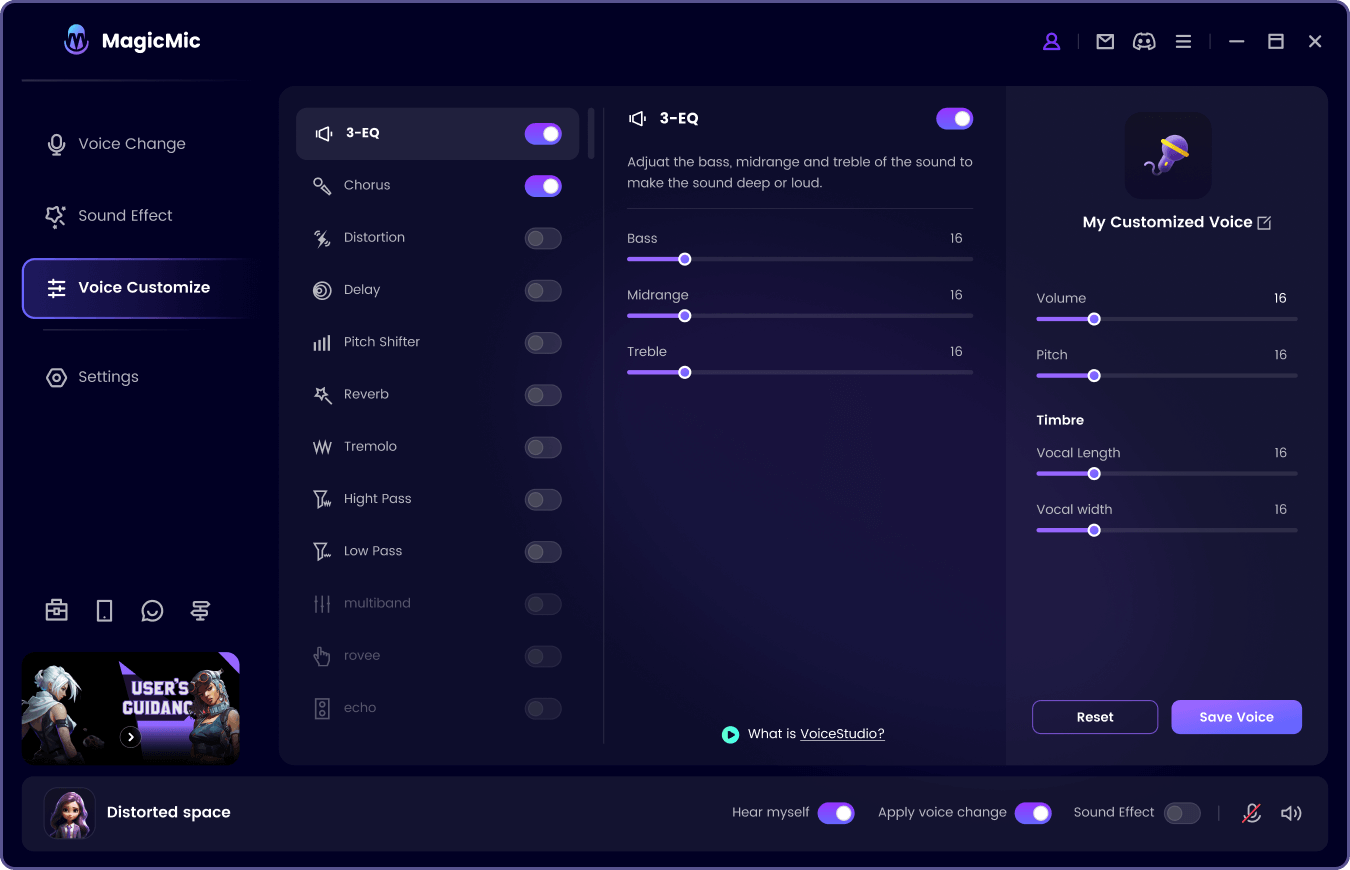
- Configure your microphone: Ensure the input device is recognized, then run a quick calibration—most tools ask you to read a short sentence.
- Select your accent: Choose from the list—American Southern, British RP, Australian, Indian English, etc.—and hit “activate.”
Now speak as you normally would; the software does the rest. It’s surprisingly seamless, though you might notice a faint “metallic” edge the first few seconds. A quick adjustment of the “blend” slider usually smooths it out.
Real‑World Tips for Natural‑Sounding Results
- Match your pacing: Accents often come with characteristic speech rates. Slow down a tad for a British drawl, speed up for an Australian lilt.
- Mind your filler words: “Um,” “like,” and “you know” differ across regions. Incorporate local equivalents for authenticity.
- Practice a phrase: Try a short, culturally specific sentence—like “G'day, mate!” for Aussie—to let the software lock onto the right rhythm.
- Use a quality mic: Low‑grade microphones can muddy the signal, making the AI struggle to apply the right filters.
Remember, the tool amplifies what you already say; it won’t magically insert a perfect Aussie “mate” if you never use the word yourself.
Potential Pitfalls and How to Avoid Them
While the tech is impressive, it’s not without quirks.
- Latency spikes: On congested networks, cloud‑based solutions can lag. Keep a wired connection handy for critical meetings.
- Accent drift: Prolonged use may cause the software to “learn” your natural speech patterns, subtly altering the output. Resetting the model every few hours can help.
- Audio quality loss: Over‑compression may make your voice sound thin. Choose a tool that offers high‑bitrate output.
Most concerns are fixable with a bit of configuration and regular updates.
Future Directions: Where Is This Tech Headed?
Developers are already experimenting with emotional coloration—adding confidence, sarcasm, or excitement on top of an accent. Imagine a virtual meeting where you sound both British and upbeat, or a game character that shifts from a calm French tone to an angry Spanish growl in real time.
Another frontier is cross‑language synthesis: speaking English while the system outputs a convincing Mandarin accent, preserving meaning but masking the original speaker’s language. While still experimental, these innovations hint at a future where vocal identity is as customizable as a profile picture.
Take the Leap
If you’ve been curious about how a different accent could reshape your online presence, now’s the moment to try. Pick a reputable real‑time voice accent changer, run a quick test, and see how effortlessly your voice can travel across continents.
![[OFFICIAL] FliFlik Voice Changer - Change Your Voice in Real Time](https://fliflik.com/wp-content/themes/fliflik/assets/img/voice-changer/file-voice-change.png)