Retail vs. Ecommerce: What They Mean and How They Differ
When you hear “retail” and “ecommerce,” you might picture a brick‑and‑mortar store on one side and a website on the other. The reality is a bit messier. Both terms describe ways to get products into customers’ hands, yet each carries its own set of expectations, challenges, and opportunities.
Defining Retail
Retail traditionally means selling goods directly to consumers from a physical location. Think of the familiar storefront, the aisles you stroll through, the cashier who hands you a receipt.
Key characteristics include:
- Touch‑and‑feel experience: Shoppers can see, try, or test items before buying.
- Immediate fulfillment: The purchase is complete the moment you walk out the door.
- Local presence: Stores often serve a specific community or region.
Yet, retail isn’t a static concept. Pop‑up shops, showrooming, and hybrid models blur the line between physical and digital.
Understanding Ecommerce
Ecommerce flips the script: sales happen online, often 24/7, and the storefront is a website or app. Customers browse from a couch, add items to a virtual cart, and wait for delivery.
Typical hallmarks are:
- Convenience: Buying any time, from anywhere.
- Broader reach: A single online store can serve customers across continents.
- Data‑driven insights: Clicks, views, and purchase histories feed algorithms that personalize offers.
But the digital nature also introduces friction—shipping delays, return hassles, and the loss of that tactile feel.
Key Differences at a Glance
Below are the most stark contrasts, though the list isn’t exhaustive.
- Location: Retail anchors you to a place; ecommerce removes geography.
- Operating hours: Stores close; websites stay open.
- Customer interaction: Face‑to‑face dialogue vs. automated chat or email.
- Inventory management: Shelf space constraints vs. dynamic, often centralized warehouses.
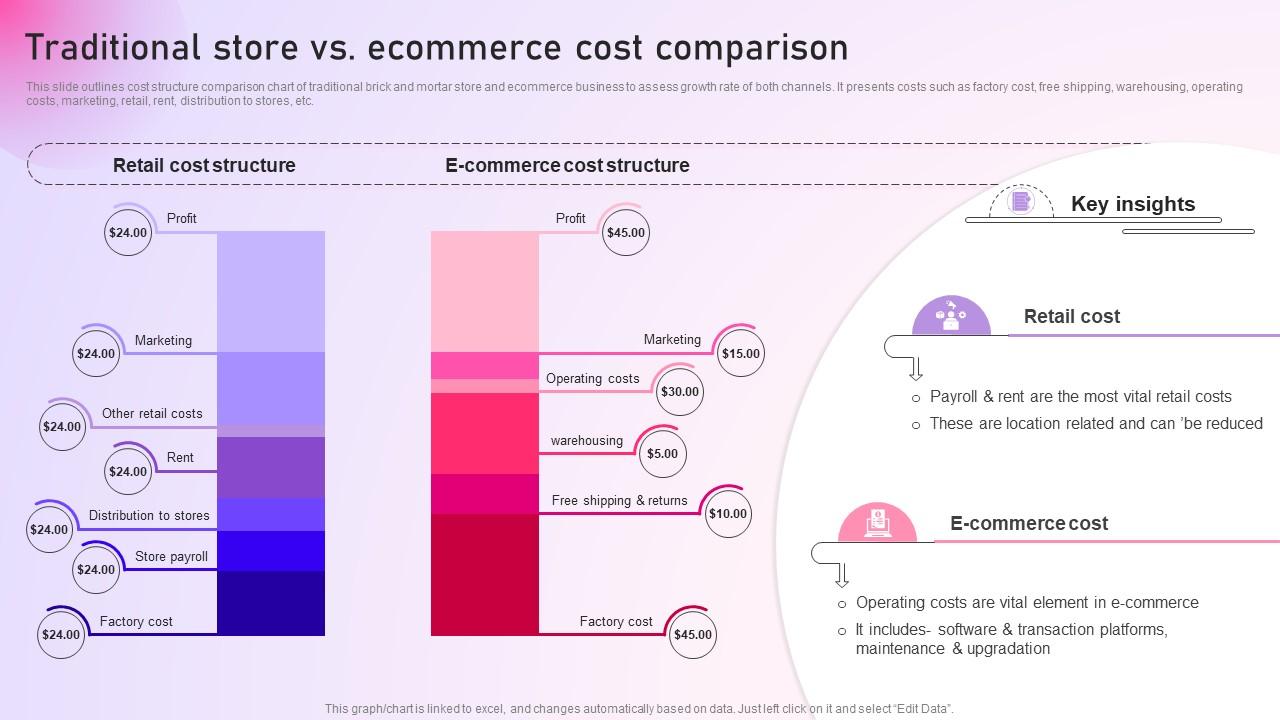
- Cost structure: Rent, utilities, staffing vs. platform fees, shipping, and tech maintenance.
Sometimes the line blurs. A retailer might launch a “click‑and‑collect” service, letting online shoppers pick up in store, merging convenience with immediacy.
Choosing the Right Model for Your Business
Deciding between retail, ecommerce, or a hybrid isn’t a simple checkbox exercise. Consider these factors:
Target audience
If your customers value hands‑on testing—think cosmetics or furniture—a physical presence can be decisive. Conversely, tech‑savvy shoppers who prioritize speed may gravitate online.
Product type
Heavy, bulky items often incur steep shipping costs, making a local store more viable. Lightweight, non‑perishable goods, however, travel cheaply and lend themselves to ecommerce.
Brand experience
A luxury brand might rely on an elegant boutique to convey exclusivity, while a fast‑fashion label can leverage rapid online turnover to stay ahead of trends.
Resource allocation
Opening a storefront demands capital for lease, décor, and staff. Building an ecommerce platform requires investment in web development, digital marketing, and logistics.
Remember, many successful companies operate both channels. The synergy can boost sales: a shopper discovers a product online, then visits the store for a fitting; later, they order accessories digitally.
Hybrid Strategies in Practice
Here are a few real‑world approaches that illustrate how the two worlds coexist.
- Omnichannel retail: Brands sync inventory across stores and warehouses, letting customers check stock online and reserve items for in‑store pickup.
- Showroom‑only concepts: Physical spaces act as displays, while all purchases are fulfilled from a central fulfillment center.
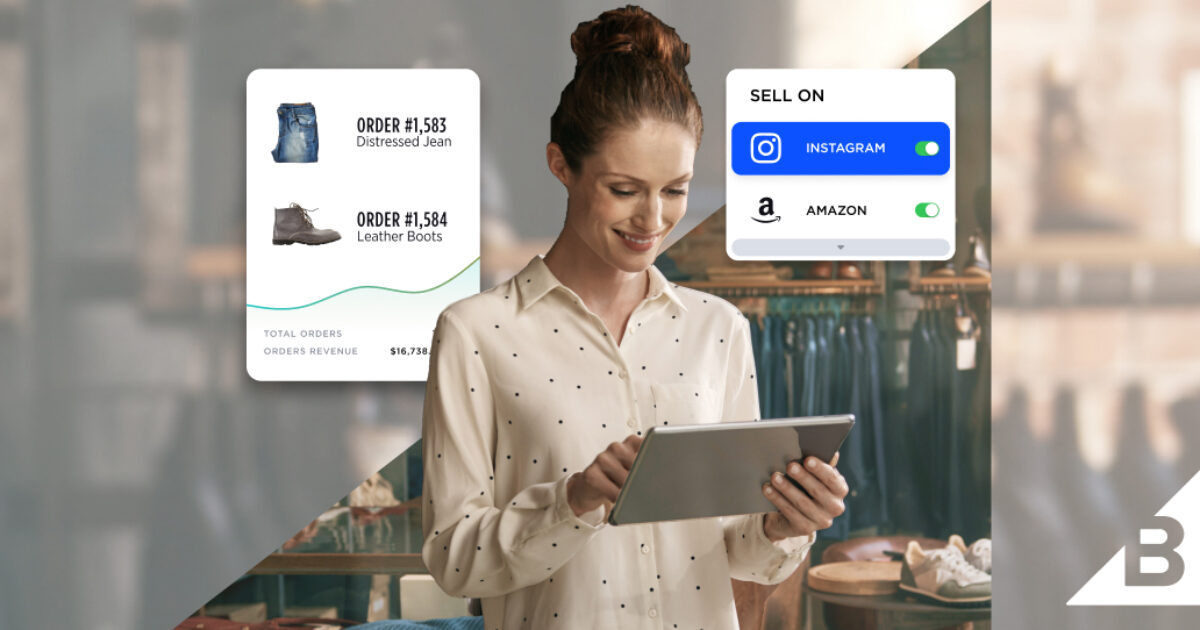
- Social commerce: Platforms like Instagram or TikTok enable direct purchases within a social feed, blending content and commerce.
These models aim to capture the best of both worlds—personal interaction and digital convenience.
Potential Pitfalls to Watch
Neither channel is immune to challenges.
Retail can suffer from high overhead, limited geographic reach, and vulnerability to foot‑traffic swings (think unexpected lockdowns). Ecommerce, meanwhile, faces fierce competition, reliance on logistics partners, and the constant need to stay visible amid a sea of online ads.
For businesses that attempt both, coordination is key. Misaligned inventory data can lead to stockouts or over‑selling, eroding trust.
Final Thoughts
Retail and ecommerce each tell a different story about how we buy and sell. Understanding their distinct mechanics—and where they overlap—helps entrepreneurs position their offerings wisely. Whether you’re opening a storefront, launching an online shop, or weaving both together, the goal remains the same: delivering value in a way that fits your customers’ lives.