Royal Family News: Protocol for Death Announcement
Visiting the official website of the British monarchy is a routine affair for most people. The homepage usually features royal tours, engagement photos, or charitable initiatives. But there is one specific scenario that commands immediate, universal attention. When the status of a senior royal changes, the site transforms into a static, black-and-white memorial page. This stark contrast is not accidental. It is the signal that a period of national mourning has begun. For many citizens and international observers, this website change is the primary way they receive the news of a death. It marks the transition from speculation to confirmed reality.
Operation London Bridge: The Secret Behind the Screen
The process for announcing the death of a monarch is codified under the name Operation London Bridge. It is one of the most detailed contingency plans in modern history. The plan dictates every aspect of the transition, from the military response to the lighting of Buckingham Palace. However, the digital front is just as critical as the physical one. The goal is to ensure accurate information reaches the public before rumors can take hold on social media. In an era where misinformation spreads faster than fact, control of the narrative is essential. The website update is the first official act of this communication strategy. It serves as the anchor for truth during a time of uncertainty.
The timing of the announcement is precise. Once the death is confirmed by the physicians in attendance, a coded message is transmitted to the government. This triggers a chain reaction. Within minutes, the Cabinet Office and the Royal Household coordinate the press releases. The website goes up almost simultaneously with the first broadcast from the News of the World service radio or major television networks. This synchronization ensures that no matter how a person turns on their news, the message is consistent. It is a tightly choreographed performance designed to project stability.
Visuals and Tone: The Digital Mourning Space
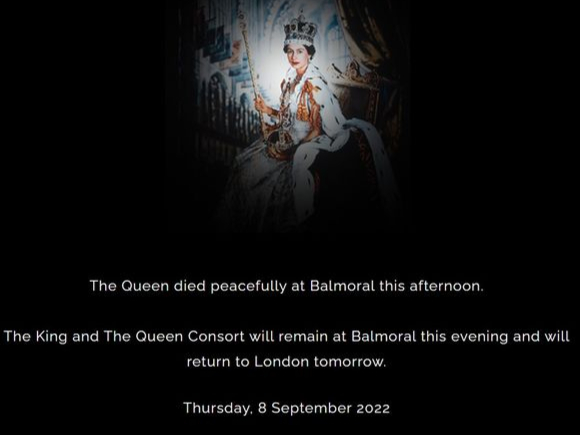
When you land on the site after an announcement, the visual experience is somber. The bright colors and dynamic banners of the standard homepage vanish. In their place is a simple, elegant tribute. Usually, this includes a black-and-white portrait of the deceased royal. The text is brief, respectful, and formal. It states the name, the time of death, and the age. There is no spin. There is no editorializing. Just cold, hard facts presented with dignity. This minimalism is intentional. It allows for grief without distraction. It also prevents the site from becoming a battleground for political opinion or sensationalist headlines. The design choices reflect the reserved nature of the institution itself.
The tone of the language is equally controlled. Phrases like “passed away” are rarely used for senior royals. Instead, the text will state that they “died.” It is direct and unambiguous. Accompanying messages from the current monarch or next-in-line are added shortly after. These notes are personal yet restrained. They focus on memories and service rather than political legacy. This careful curation of language helps guide the public’s emotional response. It sets a benchmark for how the nation should mourn. Media outlets often copy this language directly into their own reports, further standardizing the narrative.
The Ripple Effect on Global Media
Once the announcement goes live, the global media machinery kicks into high gear. Journalists around the world refresh the page constantly. They look for updates on funeral arrangements, the Regency Act, and public viewings. The website becomes the single source of truth. It is cited thousands of times within the first hour. This reliance on the official channel highlights its importance. In a fragmented media landscape, the Royal Family’s digital presence remains a central hub. It cuts through the noise of tabloids and conspiracy theories. It provides a baseline of facts that everyone else builds upon. For historians, this archive represents a primary source for the timing and initial reactions of key events.
However, the digital announcement is only the beginning. The following days see the website serve as a logistical hub. It details the state funeral procession, flag protocols for citizens, and alternative church services. It acts as a guide for a nation in mourning. The content expands from a simple death notice to a comprehensive manual for participation. This evolution shows the site’s dual role. It is both a news outlet and a civic resource. The clarity of this information helps maintain order during a chaotic time. It gives people a sense of normalcy through ritual and structure.
Privacy and Public Duty
There is a delicate balance between transparency and privacy. The announcement marks the point where private grief becomes public business. The family must navigate this boundary carefully. The website allows them to control exactly what is shared. They can release a photograph of the family mourning, for instance, or they can withhold details about private moments. This selectivity is crucial. It protects the humanity of the individuals involved while fulfilling their public duty. The public demands access, but the family retains the right to curate their image. This tension is played out in every update posted to the site. Each word is weighed. Each image is selected with care. It is a negotiation between the personal and the institutional.
For the average citizen, the website is a window into this exclusive world. It offers a glimpse behind the veil. Yet, the view is strictly framed. You see what they want you to see. This curated reality is part of the monarchy’s endurance. By managing the narrative so tightly, they maintain a sense of mystery and reverence. The announcement of a death strips away the glamour but reinforces the gravity of the office. It reminds viewers of the weight of history. It is not just news about a person. It is news about a state. The website serves as the conductor of this complex symphony of tradition, media, and emotion.
Frequently Asked Questions
- How is a royal death officially announced?
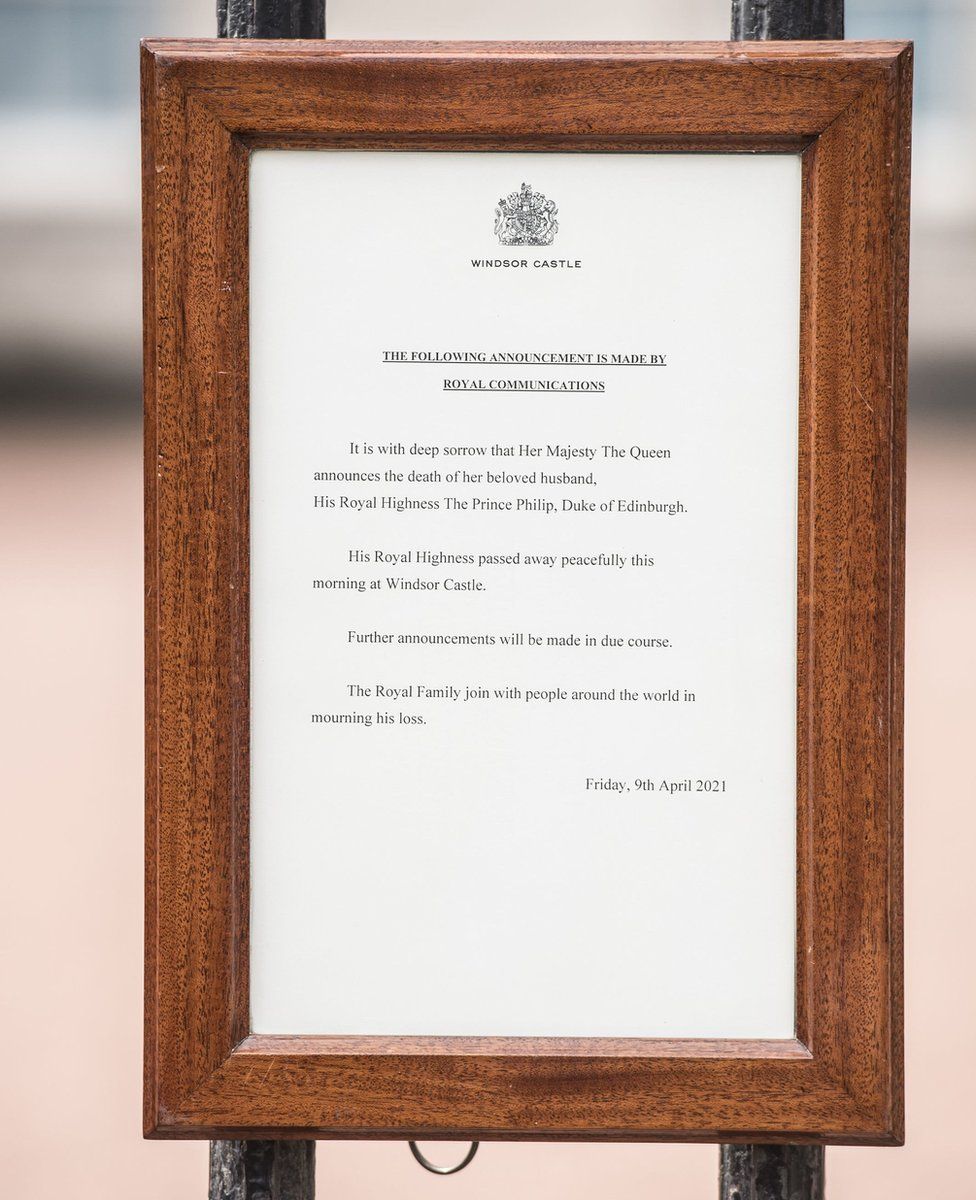
The primary method is the release of a formal statement on the official Royal Family website, often accompanied by press releases from Buckingham Palace and the Cabinet Office.
- Why is the website turned black and white?
This is a visual sign of mourning. It adheres to traditional protocols, signaling to the public that the monarchy is in a period of bereavement and altering the site’s usual celebratory tone.
- What is Operation London Bridge?
It is the code name for the contingency plan for the succession of the British monarch and the events following their death. It coordinates government, military, and royal household actions.
- Who writes the initial announcement?
The communication is drafted jointly by the Royal Household’s communications team and the government’s press office to ensure consistency in messaging across all platforms.