Russia’s Nuclear Accident History: A Detailed Look
Russia’s nuclear energy program is often viewed through the lens of its massive current role in global power generation. The country operates some of the most advanced reactors on the planet and is a leading exporter of nuclear technology through Rosatom. Yet, to understand the full picture, one must look back. The Soviet legacy is marked by a few catastrophic events that shaped international safety standards forever. When people ask about Russia’s nuclear reactor accidents, they are usually referring to Chernobyl, but the history is nuanced. There were other incidents, near-misses, and lesser-known events that highlight the complex interplay between military secrecy, engineering flaws, and human error.
Understanding these events isn’t just about history. It’s about understanding the safety culture that exists today. The Soviet approach to nuclear energy was fundamentally different from the West. It prioritized speed and secrecy over transparency and redundancy. This mindset had consequences. In this article, we will look at the major accidents, the context behind them, and what they mean for nuclear safety today.
The Chernobyl Catastrophe: More Than Just an Explosion
April 26, 1986. The word Chernobyl still triggers a primal fear in many minds. It remains the worst nuclear disaster in history. But to call it a simple “reactor explosion” misses the technical reality. The RBMK-1000 reactor at the Pripyat plant had a design flaw known as the positive void coefficient. In simple terms, as the water in the reactor boiled into steam, the reaction rate increased instead of decreasing. This made the reactor inherently unstable at low power levels.
The accident occurred during a safety test. Operators disabled several safety systems to keep the reactor stable while they tested turbine coastdown. When they tried to shut down the reactor, the control rods inserted at the wrong time because of their graphite tips. Instead of absorbing neutrons and slowing the reaction, the graphite initially increased it. The power surged exponentially. The core melted. A steam explosion followed by a hydrogen explosion blew the roof off the reactor building. The graphite core caught fire and burned for days, releasing radioactive isotopes into the atmosphere across Europe.
It is important to note that Chernobyl is in Ukraine. At the time, it was part of the Soviet Union. So, while it is part of Russia’s nuclear history in a broad sense, it is technically a Ukrainian site. However, the RBMK design was Soviet, and the management decisions were made in Moscow. The secrecy surrounding the initial events delayed international response and worsened the health crisis. Today, the sarcophagus has been replaced by the New Safe Confinement, a massive arch structure built to contain the debris for the next century.
Kyshtym: The Accident That Wasn’t Supposed to Exist
Before Chernobyl, there was Kyshtym. Occurring on October 29, 1957, this event was kept secret for decades. It happened at the Mayak Production Association, a secret plant for processing plutonium for Soviet nuclear weapons. This was not a power plant accident. It was a waste storage tank explosion.
The thermal insulation in a waste storage tank failed. The liquid waste started to heat up and evaporate. As the solvent evaporated, the remaining sludge heated further until the tank exploded. The blast was not large in terms of blast radius, but the release of radioactive material was significant. It was rated as a Level 6 on the International Nuclear Event Scale (INES), the same level as Chernobyl.
The impact was localized. Thousands were evacuated from a wide area known as the East乌拉l radioactive trace. But because it was a military secret, no one knew what had happened. People far downwind received significant radiation doses without protection. It took decades for the world to learn about it. Kyshtym highlights the dangers of nuclear waste management, a problem that persists today. It also shows how Soviet secrecy masked the true scale of nuclear risks.
Mikro-accidents and Safety Culture
Are there other major reactor accidents in Russia? Not at the same scale. However, there have been significant incidents. In 1993, a spent nuclear fuel pool caught fire at the Mayak plant. Atoms of radioactive isotopes were released, but containment was better than in 1957. In 2019, a radiation leak occurred at the Mayak plant again, but it was contained.
Russia has also seen serious incidents in its submarine fleet. The K-141 Kursk submarine sank in 2000, likely due to a torpedo explosion, but nuclear contamination was a major fear. The nuclear core was not breached. The K-19 submarine had reactor breaches in the 1960s and 1970s, killing crew members with acute radiation sickness. These naval accidents underscore the risks of_miniaturized_nuclear_power plants.
Modern Russia: A Different Era?
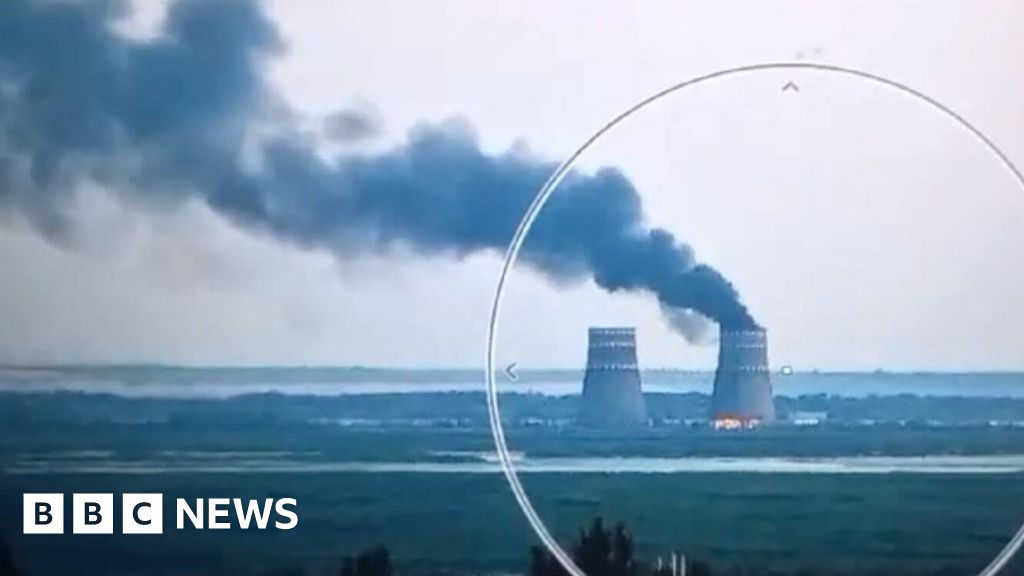
Today, Russia operates VVER reactors, which are pressurized water reactors similar to Western designs. They are considered much safer than the RBMKs. The safety culture has changed, though issues persist. In 2020, a minor accident occurred at the Tomsk-7 nuclear waste storage facility, and a major explosion suspected to be nuclear-related happened at the VVR-M research reactor. However, these events did not result in significant off-site radiation release.
The Soviet era was defined by secrecy. Modern Russia is more transparent, though still guarded. The international nuclear community monitors Russian plants closely. The experience of Chernobyl and Kyshtym has left a mark. Russian engineers now prioritize safety redundancies. But the legacy of those early accidents remains a stark reminder of what happens when technology outpaces safety protocols, and when secrecy overrides public health.
Frequently Asked Questions
Was the Chernobyl accident strictly a Russian event?
Geographically, no. The Chernobyl Nuclear Power Plant is located in Ukraine. However, it was part of the Soviet Union at the time, and the reactor design and control structures were managed by the Soviet government in Moscow. Therefore, it is a critical part of Russia’s nuclear history, even if the territory is now Ukrainian.
How bad was the Kyshtym accident compared to Chernobyl?
Kyshtym was rated Level 6 on the INES scale, same as Chernobyl. The release of radioactive material was significant, particularly strontium-90. However, the affected area was smaller, and the population was more contained due to the secret nature of the zone. Chernobyl’s impact was far more widespread due to the atmospheric dispersal of iodine-131 and cesium-137 over Europe.
Are Russian nuclear plants safe today?
Modern Russian plants generally use VVER technology, which is considered safe by international standards. They have passive safety systems and better containment structures than the old RBMK reactors. However, like all nuclear facilities, they require strict maintenance and oversight. Minor incidents do occur, but major catastrophic failures have been avoided since the Soviet era.
What is the New Safe Confinement?
It is a massive stainless steel arch built over the Chernobyl reactor remains. It replaced the original concrete sarcophagus, which was degrading. The NSC is designed to last for 100 years and prevent further release of radioactive dust, allowing for safe dismantling of the reactor in the future.