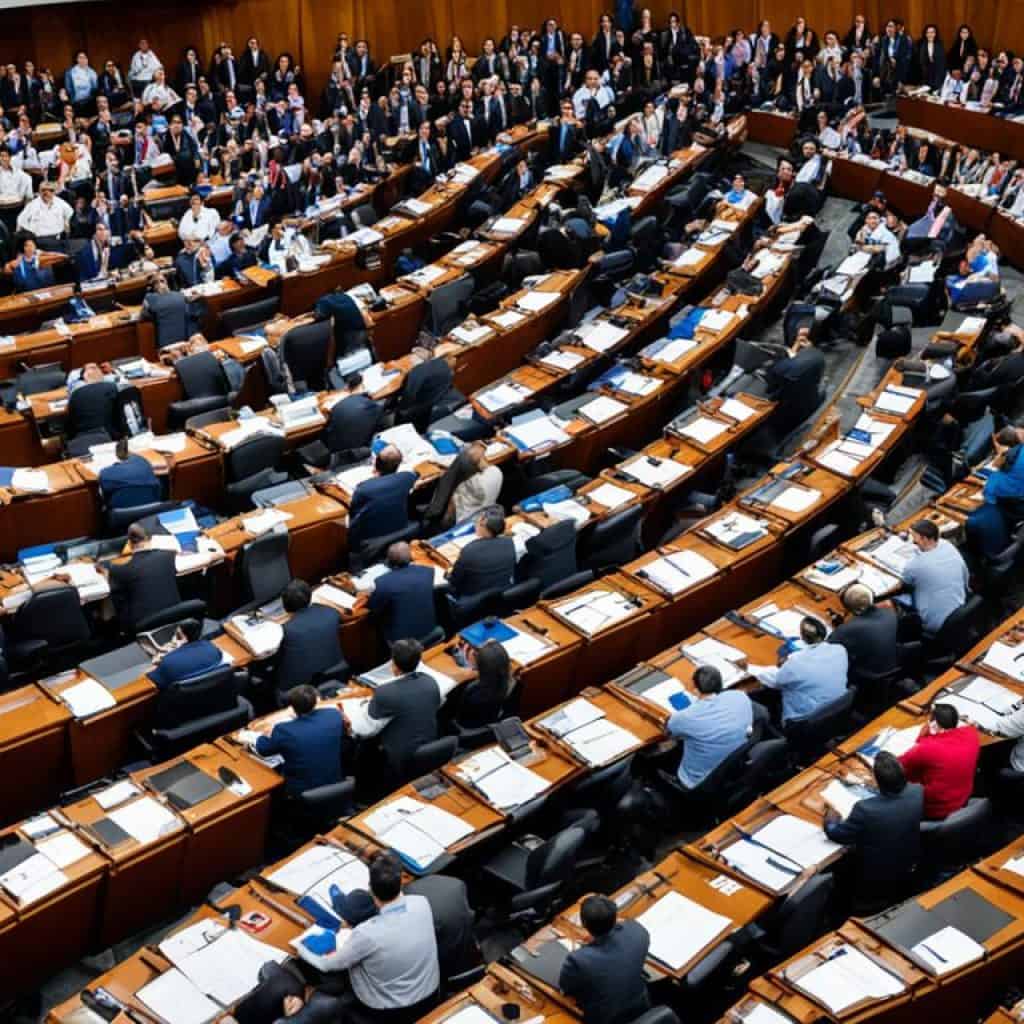
Senate of the Philippines: A Comprehensive Overview
When you think of the Philippines’ lawmaking engine, the Senate inevitably pops up. It’s not just a chamber of 24 senators; it’s a dynamic arena where regional voices mingle with national interests, and where the country’s legislative pulse can be felt in real time.
Historical Roots
The Senate’s origins trace back to the American colonial period, when the 1902 Philippine Organic Act first introduced a bicameral legislature. After a brief interruption during the Japanese occupation, the modern Senate resurfaced in 1945, riding the wave of post‑war reconstruction.
Since then, it has survived coups, constitutional revisions, and the shift to the 1987 Constitution, which cemented its current structure.
Composition and Election
Today, the Senate comprises 24 members elected at large, meaning each senator represents the entire nation rather than a specific district. This nationwide mandate shapes their outlook: they must balance local concerns with the broader national agenda.
- Term length: Six years, with half the seats contested every three years.
- Age requirement: Minimum 35 years.
- Eligibility: Must be a natural-born Filipino citizen, registered voter, and a resident for at least two years.
Because the election is nationwide, campaign strategies often blend mass media outreach with grassroots mobilization, a dance that reflects the country’s diverse electorate.
Core Powers and Functions
The Senate doesn’t operate in a vacuum. Its responsibilities intertwine with the House of Representatives and the executive branch, forming a delicate system of checks and balances.
Legislative Authority
Both houses must approve a bill for it to become law, but the Senate’s role includes:
- Reviewing and amending legislation passed by the House.
- Initiating bills on matters of national concern, such as foreign policy.
- Holding the exclusive power to approve treaties and international agreements.
Oversight and Investigation
Committees can summon government officials, demand documents, and conduct hearings that shine a light on public issues—from corruption scandals to disaster responses.
Committee System
Behind the scenes, committees do the heavy lifting. Each senator typically serves on several, ranging from Finance to Environment and Natural Resources. These sub‑bodies draft bills, scrutinize budgets, and oversee agencies.
Notably, the Committee on Ethics and Privileges handles internal disciplinary matters, ensuring members uphold the dignity of the office.
Relationship with the Executive
While the Senate can confirm presidential appointments—such as cabinet secretaries and ambassadors—it also wields a veto power. A presidential veto can be overridden only with a two‑thirds vote in both chambers, a high bar that forces compromise.
In practice, this dynamic leads to a constant negotiation: the President proposes, the Senate refines, and together they shape the nation’s policy direction.
Recent Legislative Highlights
In the past legislative cycle, the Senate tackled a mix of pressing and forward‑looking issues:
- Economic Recovery Act: A post‑pandemic stimulus package aimed at reviving small businesses.
- Climate Change Mitigation Bill: Setting targets for renewable energy and coastal protection.
- Anti‑Corruption Measures: Strengthening the Ombudsman’s investigative powers.
These examples illustrate how the Senate can pivot quickly to address emergent challenges while still pursuing long‑term reforms.
Public Perception and Critiques
Public confidence in the Senate fluctuates. Critics argue that nationwide elections may dilute local representation, while supporters contend that the at‑large system encourages senators to think beyond provincial priorities.
Moreover, occasional scandals have sparked debates about ethical standards, prompting calls for stricter accountability mechanisms.
Looking Ahead
As the Philippines navigates a rapidly changing global landscape, the Senate’s role will likely evolve. Digital governance, climate resilience, and regional cooperation are poised to dominate future agendas.
What remains constant, however, is the Senate’s function as a forum where diverse voices converge, shaping laws that reflect both the country’s heritage and its aspirations.